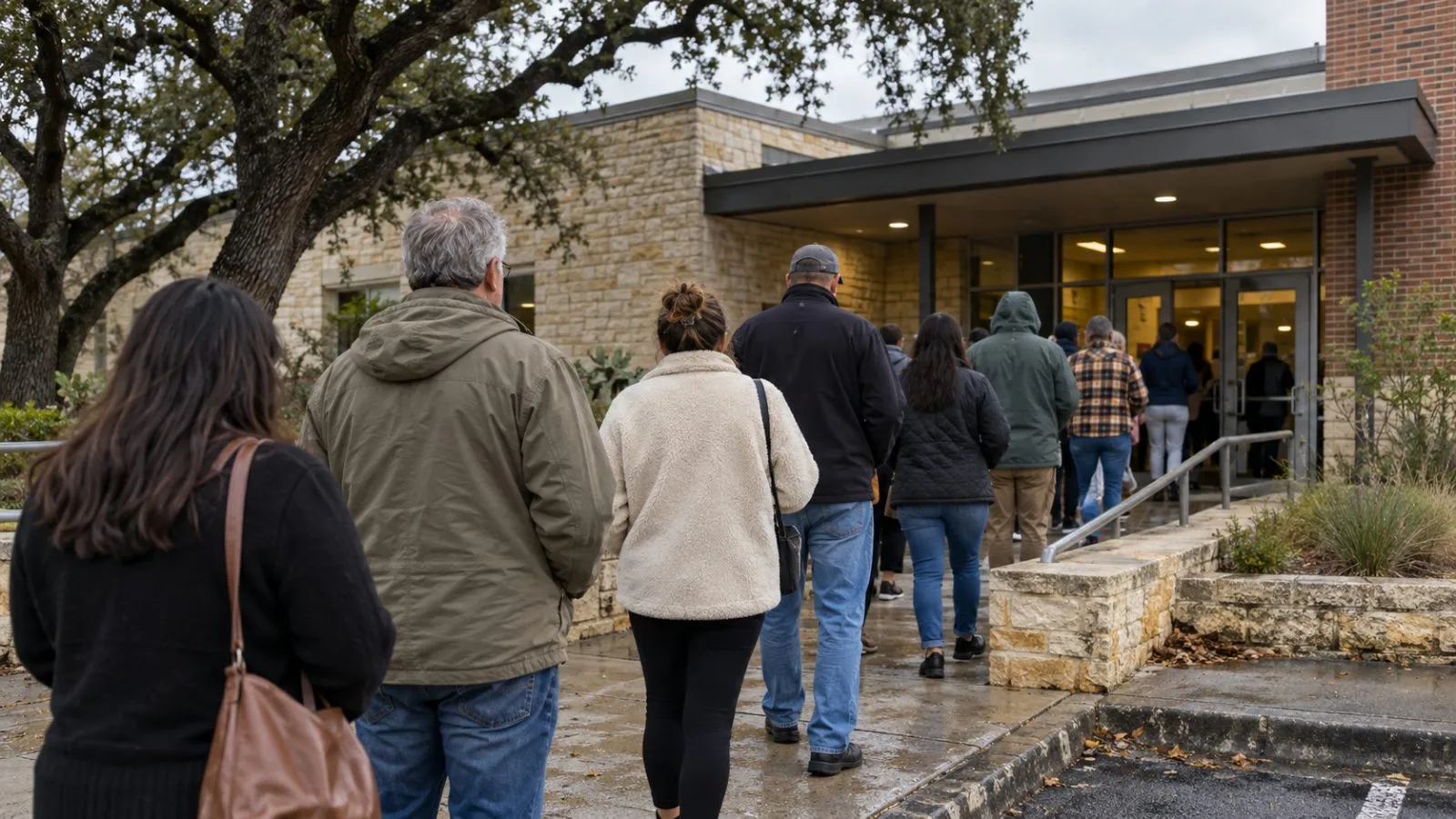
Protests in five European countries have put living costs, housing and public services on political agendas, as inflation data and Spain’s early election sharpen the debate.
French President Emmanuel Macron said several hundred thousand people demonstrated Oct. 17. In an address the next day, he linked demonstrators to concerns about living costs and fuel prices, and separately described worries about young people’s futures raised over recent weeks in schools and universities. He condemned attacks on shops and public buildings and said the prime minister would convene students, teachers, unions, employers and local officials for talks.
The European Union’s statistics agency, Eurostat, put euro-area inflation at 3.8% year over year in September, up from 3.2% in August. The Italian National Institute of Statistics (Istat) reported a 4.2% harmonized inflation rate in Italy, compared with 3.2% in August. Istat’s third-quarter data show inflation of 4.4% among households with lower spending capacity and 2.9% among those with higher spending capacity.
Rai News reported clashes during Oct. 17 demonstrations in Milan, Bologna and Turin.
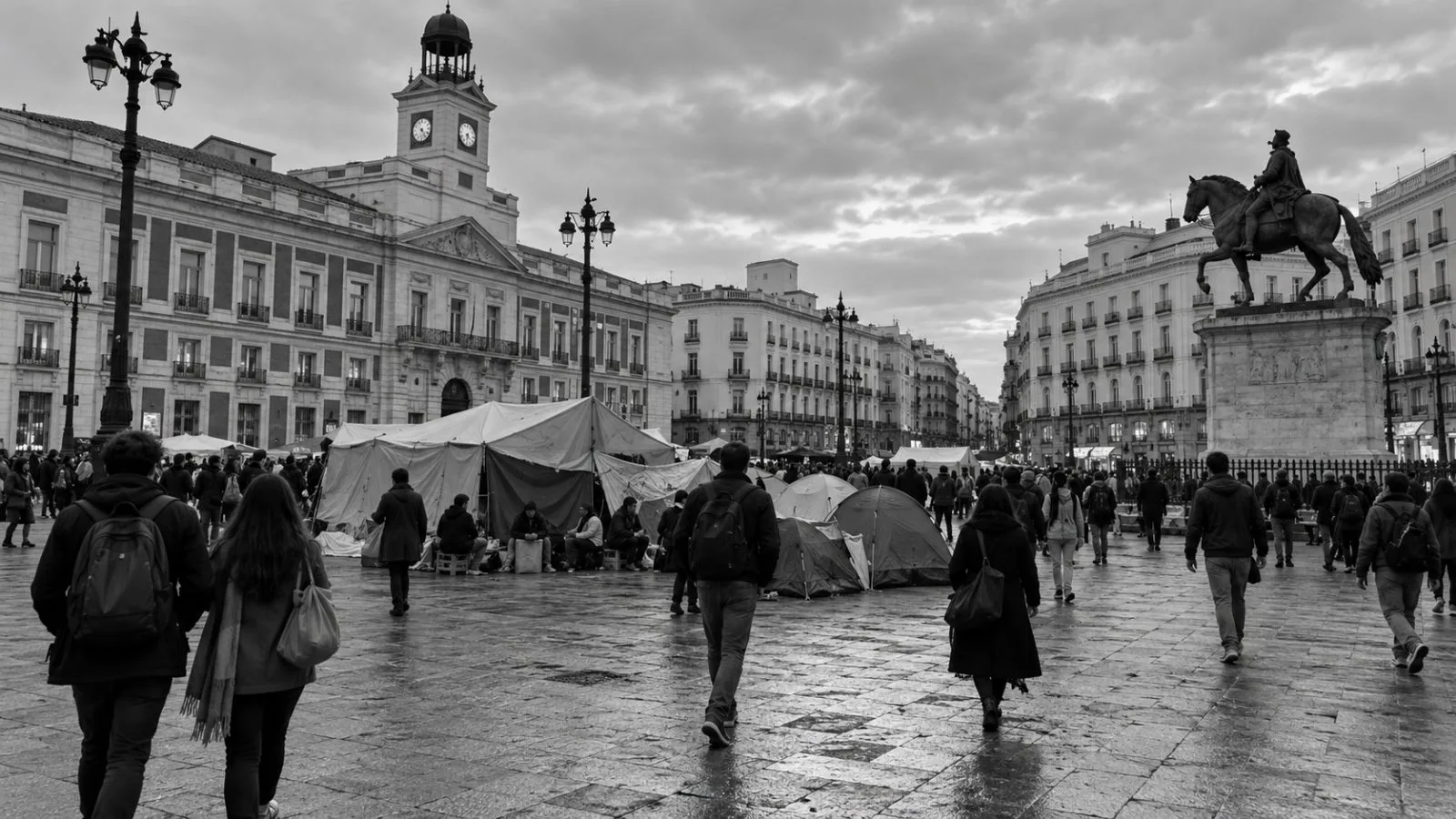
In Spain, Sindicato de Inquilinas said it would keep its protest camp in Madrid’s Puerta del Sol, EFE reported Oct. 5. On Oct. 6, the cabinet adopted a new pair of housing decrees after Parliament rejected earlier versions; together, they contain 21 measures. The government says the measures aim to address a shortage of affordable housing, with proposed tax relief for renters and incentives for small landlords offering affordable leases; Prime Minister Pedro Sánchez urged lawmakers to ratify them.
RTP reported housing protest camps in Lisbon and Porto. Across the European Union, house prices rose 4.7% and rents climbed 3.0% in the second quarter from a year earlier, Eurostat said.
In Albania, the Flamingo Revolution movement’s published demands call for the government’s resignation and a transitional technical government. Its platform also lists corruption, health care, education, pensions and living costs among its concerns.
The next scheduled price readings are Istat’s Oct. 30 release and Eurostat’s Nov. 4 flash estimate for October inflation; Spain’s general election is set for Nov. 29.