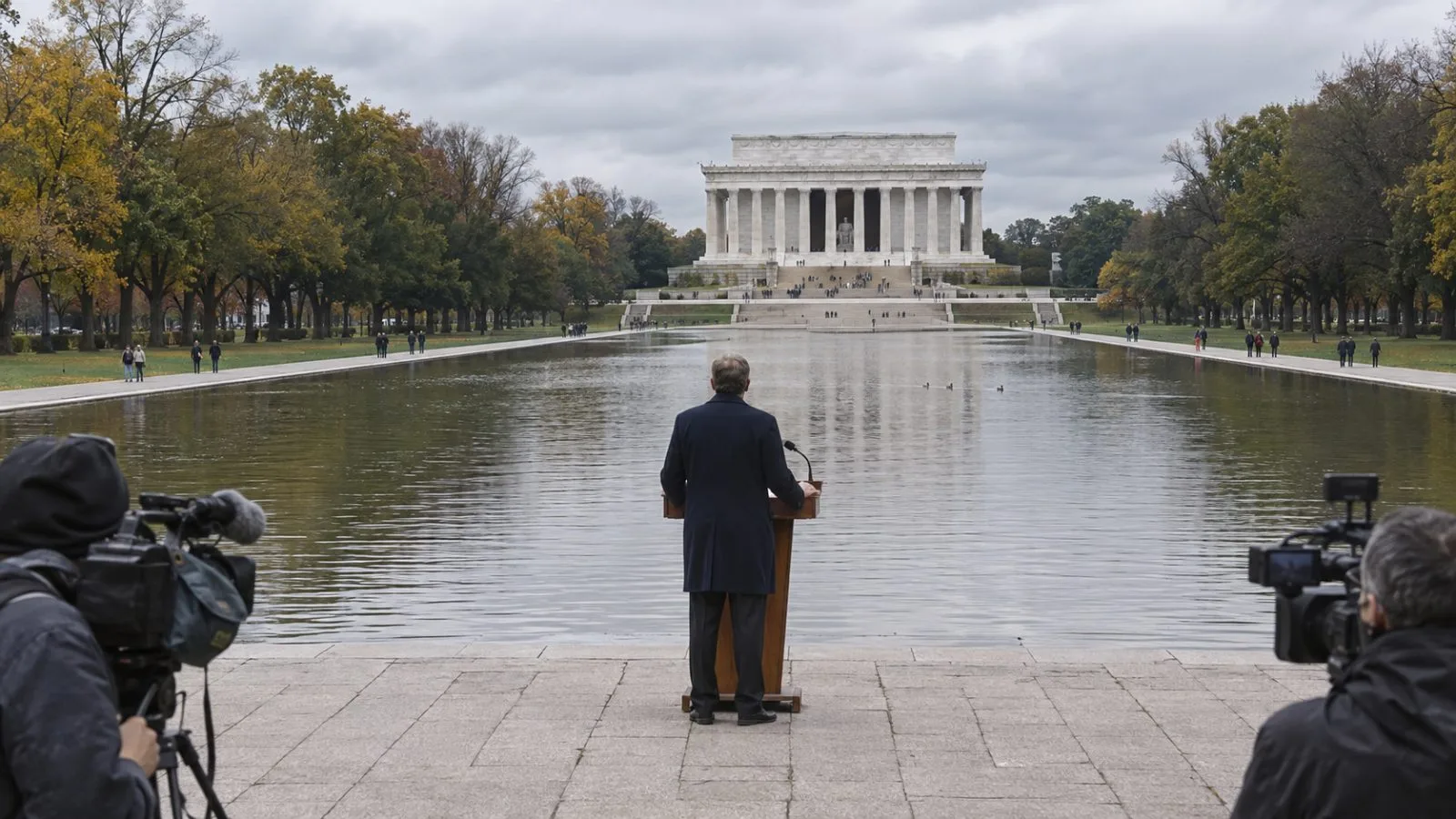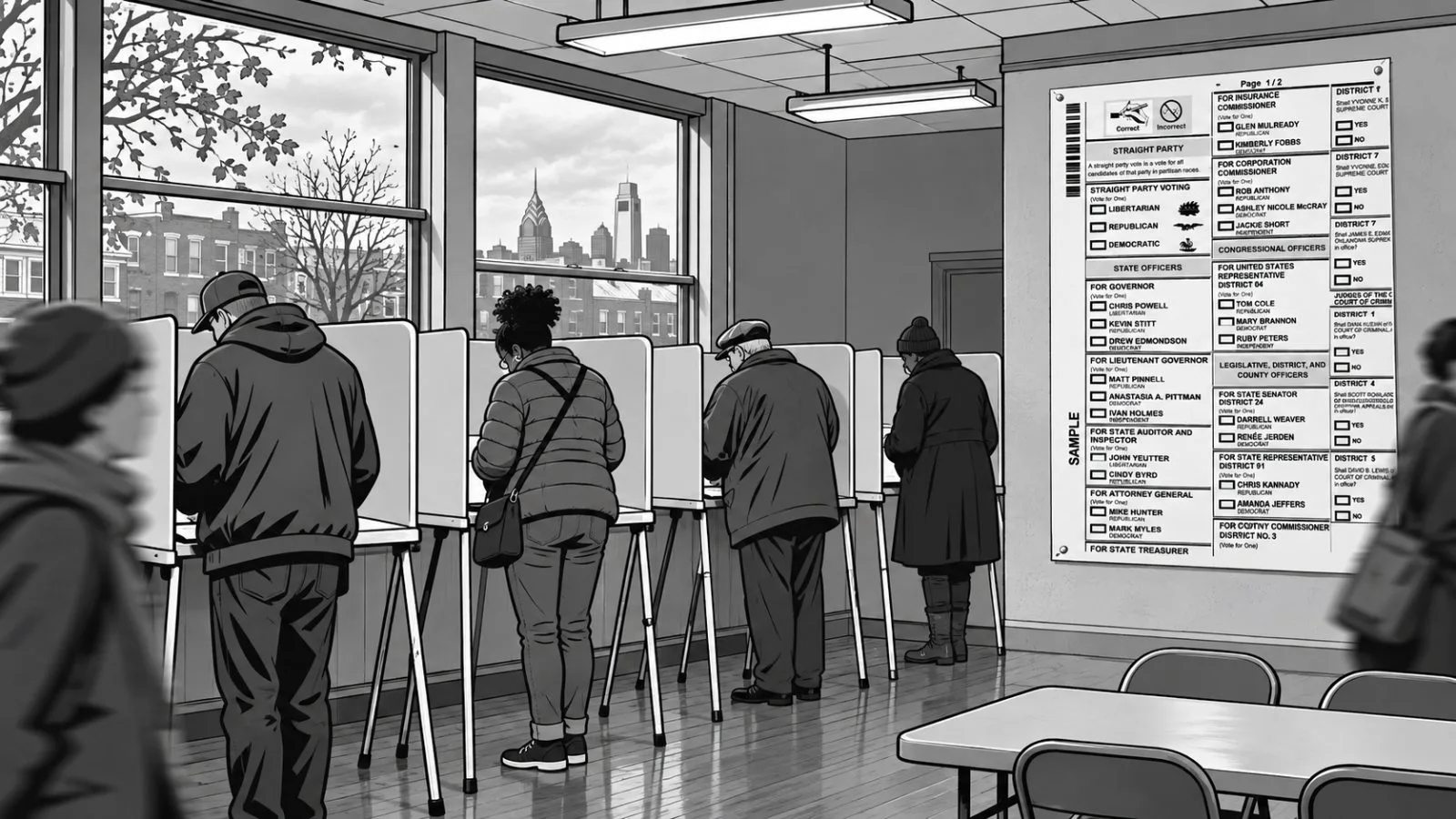
President Donald Trump could keep pursuing parts of his agenda after a Republican loss in Congress, Emkay Research said, citing executive authority and a remaining legislative window as reasons the immediate effect of a power shift may be limited.
NDTV reported the assessment Tuesday, attributing it to Emkay Research, the analysis arm of Emkay Global Financial Services. Emkay said Democrats were on track to gain control of both the House and Senate. If that forecast holds, Republicans would lose unified control of Congress and the presidency, leaving Trump to face a Democratic-led Congress during the final two years of his term.
A change in congressional control could make it harder for the White House to move legislation through Congress. Emkay’s argument was that an election result would not immediately remove the administration’s other policy tools. NDTV reported that Trump has leaned on presidential directives, tariffs, emergency powers and regulatory changes during his second term. Emkay’s assessment focused on that mix of presidential authority and congressional timing, rather than claiming every policy would continue unchanged.
The timing matters because the current Congress does not end its work on election night. Emkay identified a period extending from November 2026 to January 2027, before the successor Congress takes over, as a possible final opening for Republicans to advance measures already pending. During that interval, the outgoing majority remains in place even though voters have elected its replacements.
Emkay said the incentive to push pending measures would be especially strong if Democrats captured either chamber. A lame-duck period is the transition between an election and the end of the existing Congress; in Emkay’s view, that calendar can preserve a short-term opening for Republicans.
EconoTimes has previously examined possible effects of a change in congressional control, including stalled bills and congressional investigations. The Nov. 3 midterm result is the next indicator for the scenario Emkay outlined; the legislative window it identified would extend into January 2027, when the next Congress takes over.