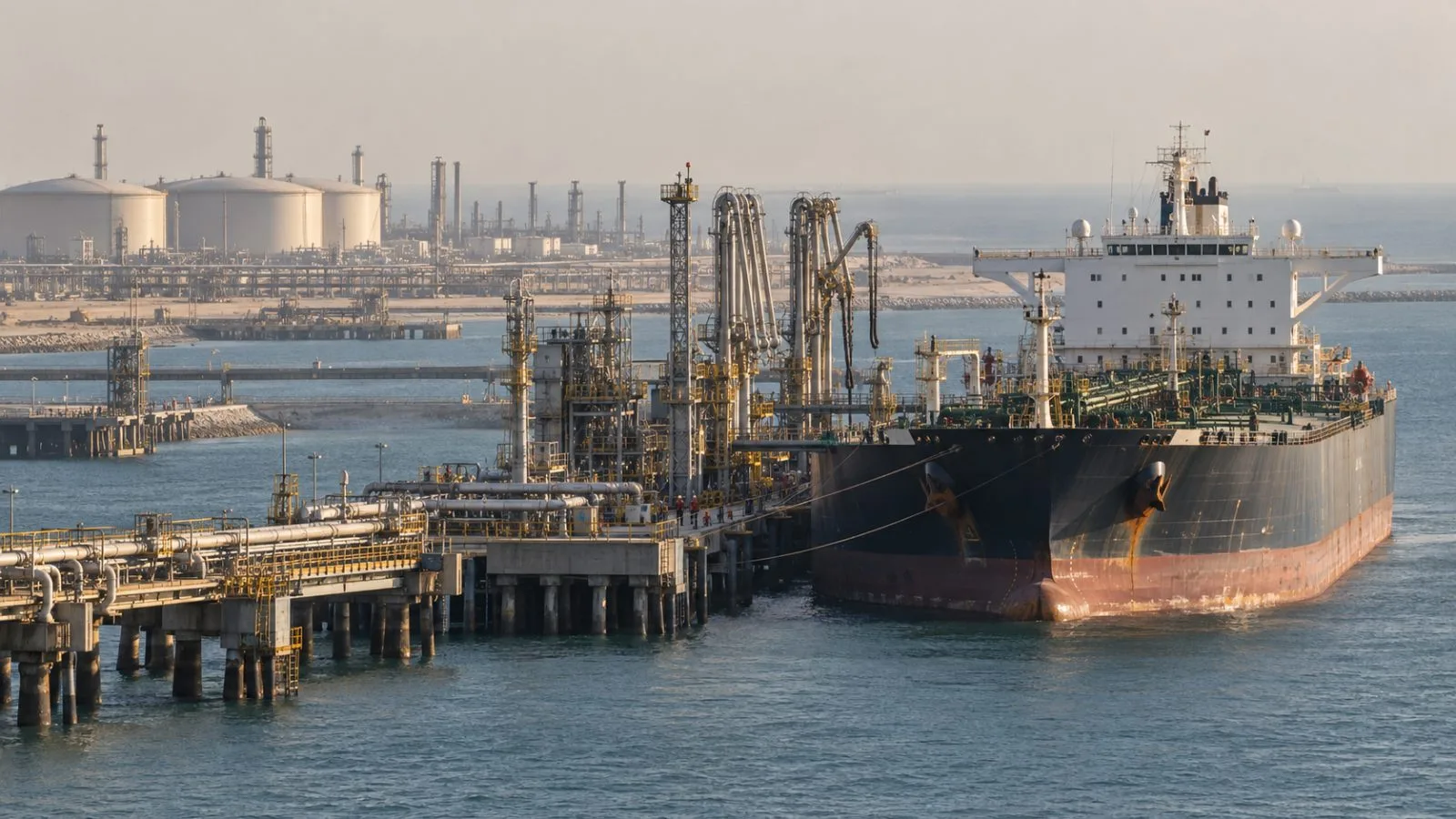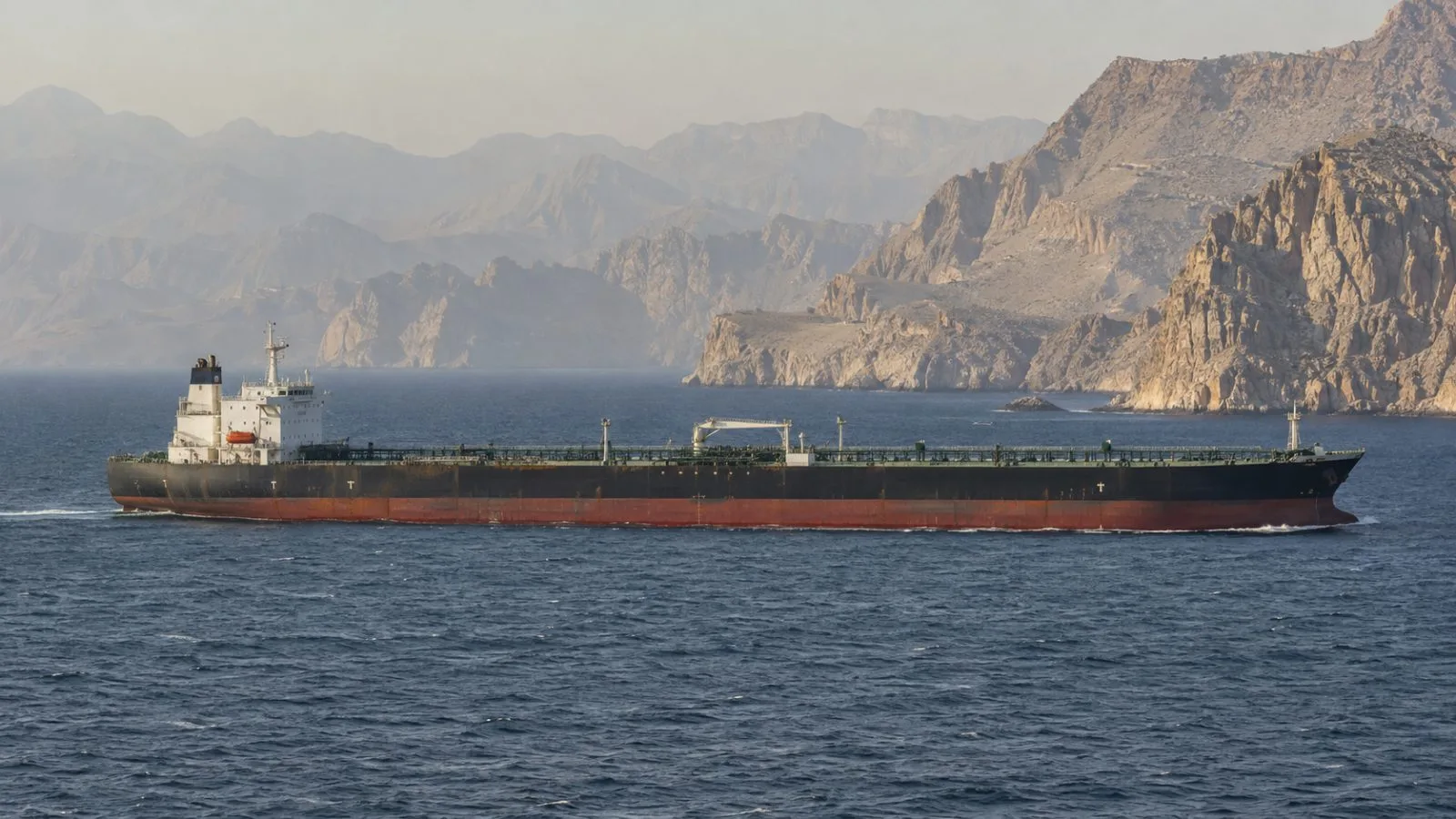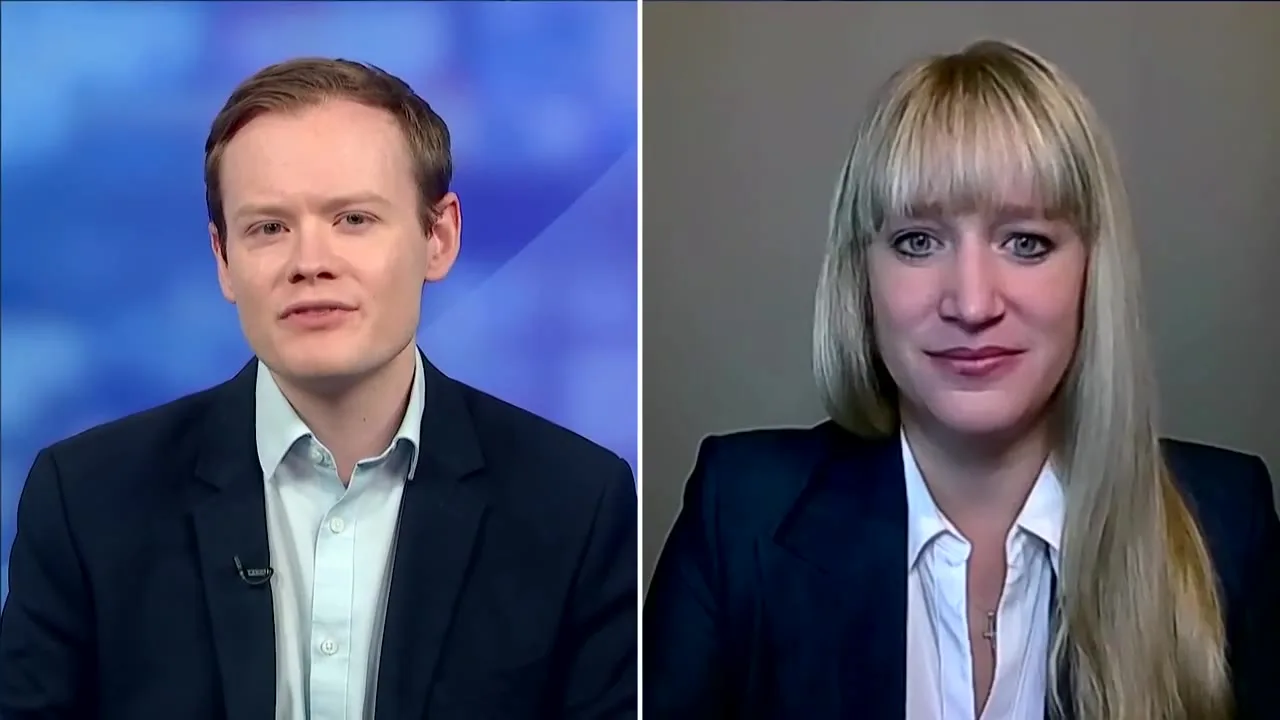
Oil prices could find a floor at $110 a barrel if diplomacy between the United States and Iran fails, Expana said in an interview published Nov. 2.
The extra cost reflects threats to future shipments rather than a current shortage, Expana said on Reuters' Market Talk. Oil continues to move through the region, although flows have not fully returned to levels before the conflict.
Renewed diplomatic contacts have offered some hope of progress. A letter from JD Vance to Iranian counterparts helped restart conversations, but the talks have produced nothing settled and could quickly change direction.
Expana linked the uncertainty to the US midterm elections, with voting due to finish the following day. President Donald Trump has tied the prospect of further strikes to whether peace talks make progress.
Traders face the possibility that encouraging developments could reverse within 48 hours. The unresolved choice between diplomatic progress and renewed military action continues to shape expectations for oil supplies.
“It's geopolitical, not a physical shortage,” Expana said. “That's really for the threat to barrels tomorrow, not to today.”
Oil shipments have eased immediate supply concerns. The possibility of fresh disruption, however, is expected to keep prices elevated for the foreseeable future.
OPEC+ faces a difficult decision at its Nov. 29 meeting over production arrangements for 2027. Planning remains difficult while the outcome of US-Iran talks is uncertain.
Without diplomatic progress, the group could consider substantial production cuts to support prices. Some members have also failed to adhere to their output commitments, while pressure on shipping routes raises questions about their ability to increase deliveries.
Expana offered no precise price forecast. Expana instead focused on the level below which prices might struggle to fall if diplomacy fails, identifying $110 a barrel as a potential floor.
“We don't have a number exactly,” Expana said. Assigning a precise forecast requires considerable confidence given the uncertainty surrounding the conflict and negotiations.
Expana said Iran had attacked dozens of ships over the preceding couple of weeks and had shifted towards using small speedboats to attach mines to vessels. Such attacks could sustain the extra cost associated with the risk of disrupted supplies even as talks continue.
Turning to US natural gas, Expana said some relief was possible as supplies moved through the market. Consumers already facing high fuel costs could face further strain from winter energy bills.
“Hope is not a good trading strategy,” Expana said. With many uncertainties unresolved, Expana leaned towards higher prices rather than a decline large enough for consumers to notice, leaving both the scale and timing of any relief open.