


 Trump Administration Pauses Visa Appointments Worldwide
  US Court Approves airBaltic Chapter 11 Restructuring
  Databricks to Invest $350 Million in Singapore AI Expansion
  DOJ Will Investigate AI-Related Crimes, Attorney General Blanche Says
  US Immigration Arrests Surge as Deportations Lag Behind
  Rosenblatt Starts Nokia at Buy on AI Networking Growth
  US Bans Canadian Alcohol, Motorcycles as Trade War Escalates
  U.S. Issues Cuba Health Alert as Illnesses Rise
  Allegro Raises 2026 Outlook as International GMV Surges
  Volvo Cars Plans 13 New Models by 2030 to Boost Sales
  Ex-Google DeepMind Researcher Warns AI Could Pose Existential Threat
  Trump Grants Clemency to Jay-Z Associate Emory Jones
  FCC Approves Foreign Investment in $110B Paramount-Warner Bros. Deal
  Brazil Warns EU of Retaliation Over Animal Products Ban
  France Urges Faster AI Push Despite Safety Risks
  US Judge Dismisses Imran Ahmed Deportation Lawsuit


 Add as a preferred source on Google
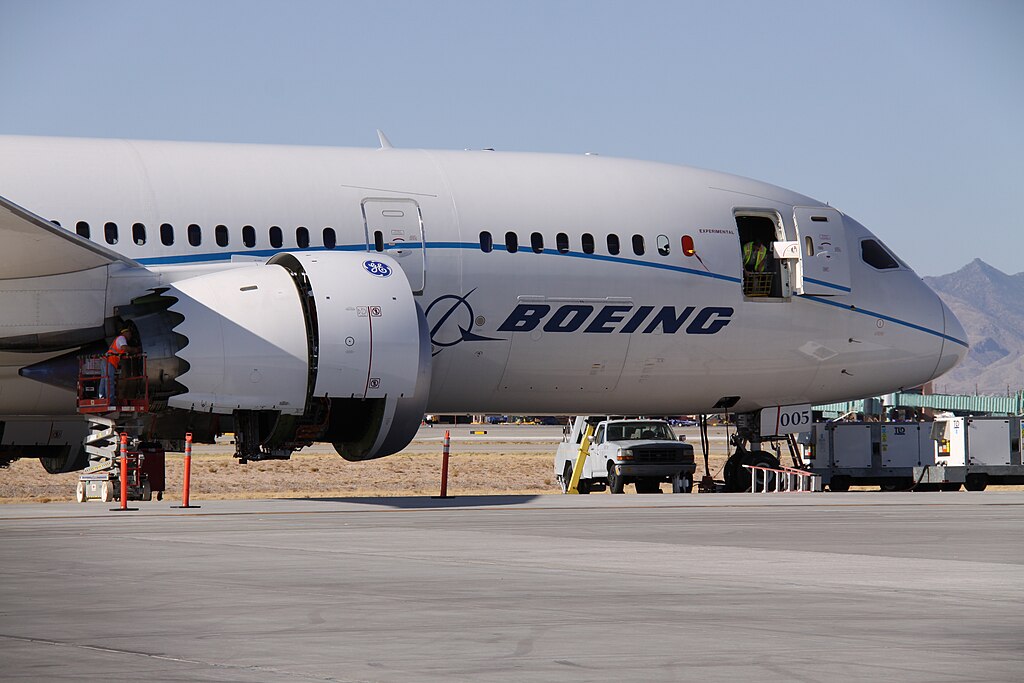
The Federal Aviation Administration (FAA) has granted Boeing a waiver from upcoming aircraft emissions requirements, allowing the U.S. planemaker to sell an additional 35 Boeing 777F freighters after the new standards take effect in 2028.
The exemption gives Boeing three additional years to sell the 777F beyond January 1, 2028. Boeing requested the waiver in December 2025, citing strong demand for cargo aircraft and delays in certification of its next-generation 777-8F freighter.
The Boeing 777F remains the only large widebody freighter currently in production. Its replacement, the 777-8F, is expected to enter service around 2029. Boeing warned that without an exemption, the transition could create a production gap and potentially eliminate more than $15 billion in U.S. aircraft exports.
The FAA said the decision provides Boeing with flexibility amid uncertainty surrounding the 777-8F certification schedule. Boeing expects the first 777-8F delivery approximately two years after the initial 777-9 delivery, currently targeted for 2027.
The emissions requirements were finalized by the FAA in February 2024 under former President Joe Biden and adopted international standards designed to reduce carbon emissions from large aircraft. The rules would otherwise prevent new 777F sales beginning in 2028, although aircraft already operating before then are unaffected.
Boeing welcomed the waiver, arguing that the 777F is the most fuel-efficient large freighter currently in service and is needed to meet rising global air cargo demand. The company previously estimated that each 777F exported to an overseas customer contributes about $440 million, based on list prices, to the U.S. trade balance.
Congress separately approved legislation in 2024 allowing Boeing to continue producing its 767 freighter through 2033 despite the 2028 efficiency requirements.
According to the FAA, adding 35 Boeing 777F aircraft could increase freighter operations by roughly 2% while raising fuel consumption by about 8% compared with global freighter operations in 2024. Civil aviation accounts for approximately 9% of U.S. transportation emissions and 2% of total domestic carbon pollution.







