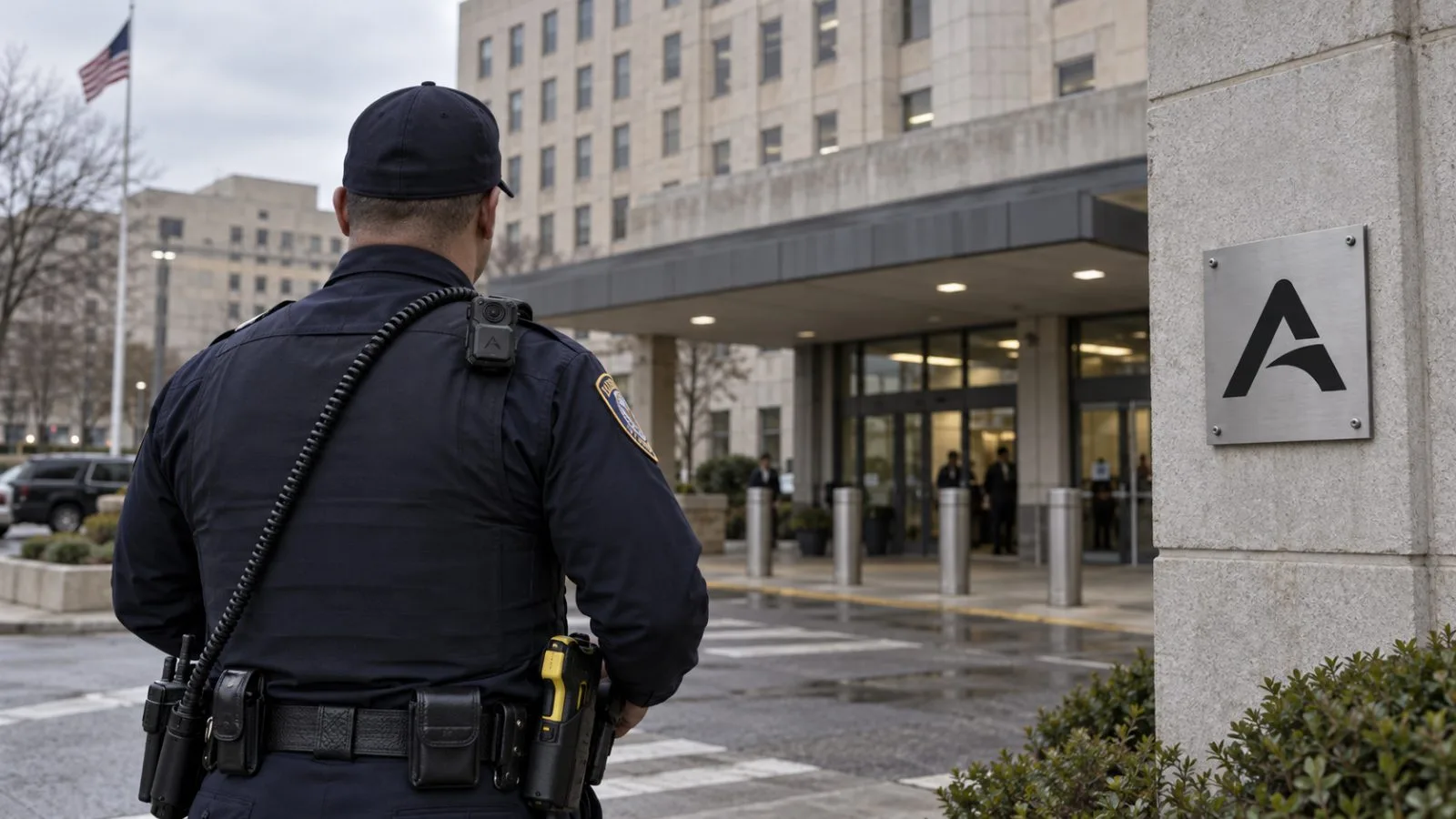
The FTC has imposed a five-year ban on Rite Aid, citing failure to implement adequate safeguards and protect consumers' rights. This development highlights the growing concerns surrounding facial recognition technology and the need for responsible implementation and oversight.
FTC Probe Initiated Amid Privacy Concerns
Recent revelations reported by USA Today highlight the initiation of an investigation by the FTC into Rite Aid's deployment of facial recognition technology.
Privacy advocates and consumers alike have voiced concerns over the potential misuse of sensitive biometric data, sparking a nationwide debate on the ethical implications of such technology.
FTC Imposes Ban on Rite Aid's AI Facial Recognition Usage
According to insights from Security Magazine, the FTC has taken decisive action by prohibiting Rite Aid from utilizing AI facial recognition technology. This regulatory intervention underscores the FTC's commitment to safeguarding consumer privacy and addresses the growing apprehensions surrounding the ethical use of biometric data.
The ban imposed by the FTC serves as a landmark decision, signaling a critical moment in the discourse on AI ethics and regulation. Rite Aid's predicament raises broader questions about the responsible and transparent use of emerging technologies within the corporate landscape.
This regulatory crackdown prompts industry-wide reflections on the ethical boundaries of facial recognition technology and the need for corporations to navigate the adoption of innovative technologies with a heightened sense of responsibility.
As Rite Aid grapples with the investigation's aftermath, the incident serves as a stark reminder to other companies about the importance of ethical considerations in deploying cutting-edge technologies.
It serves as a reminder that companies must prioritize consumer protection and ensure transparent and accountable use of emerging technologies.