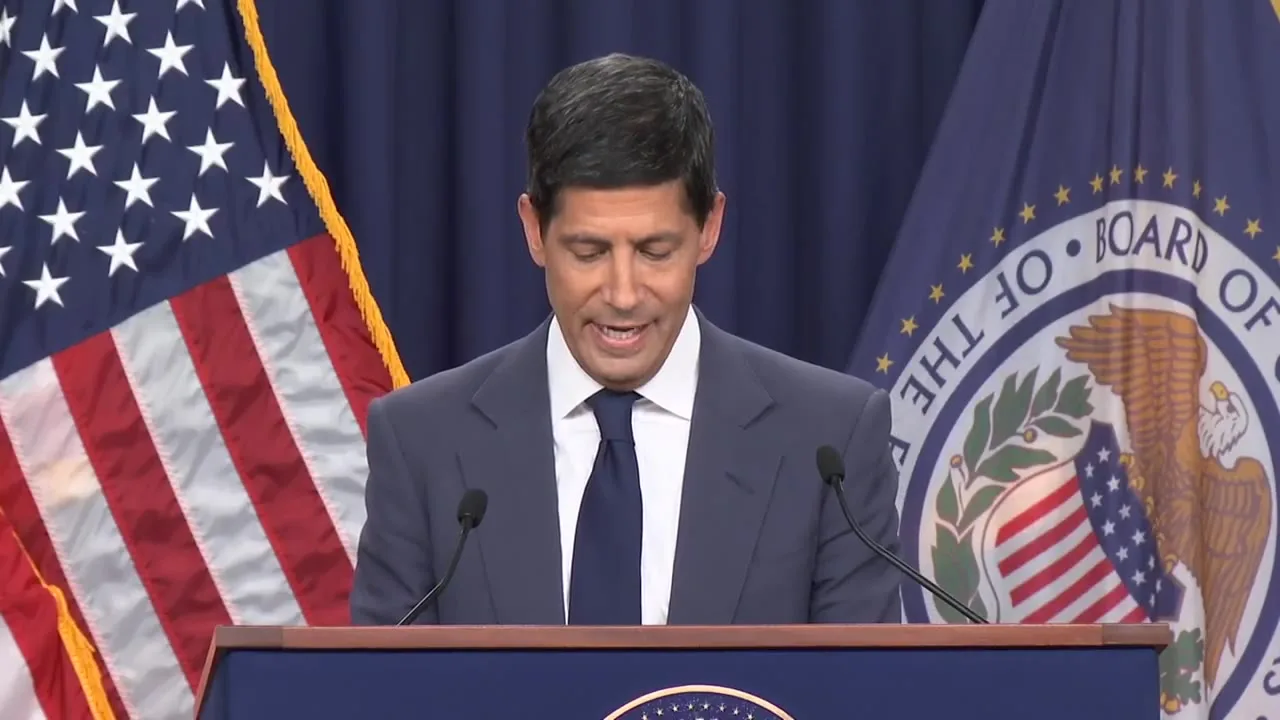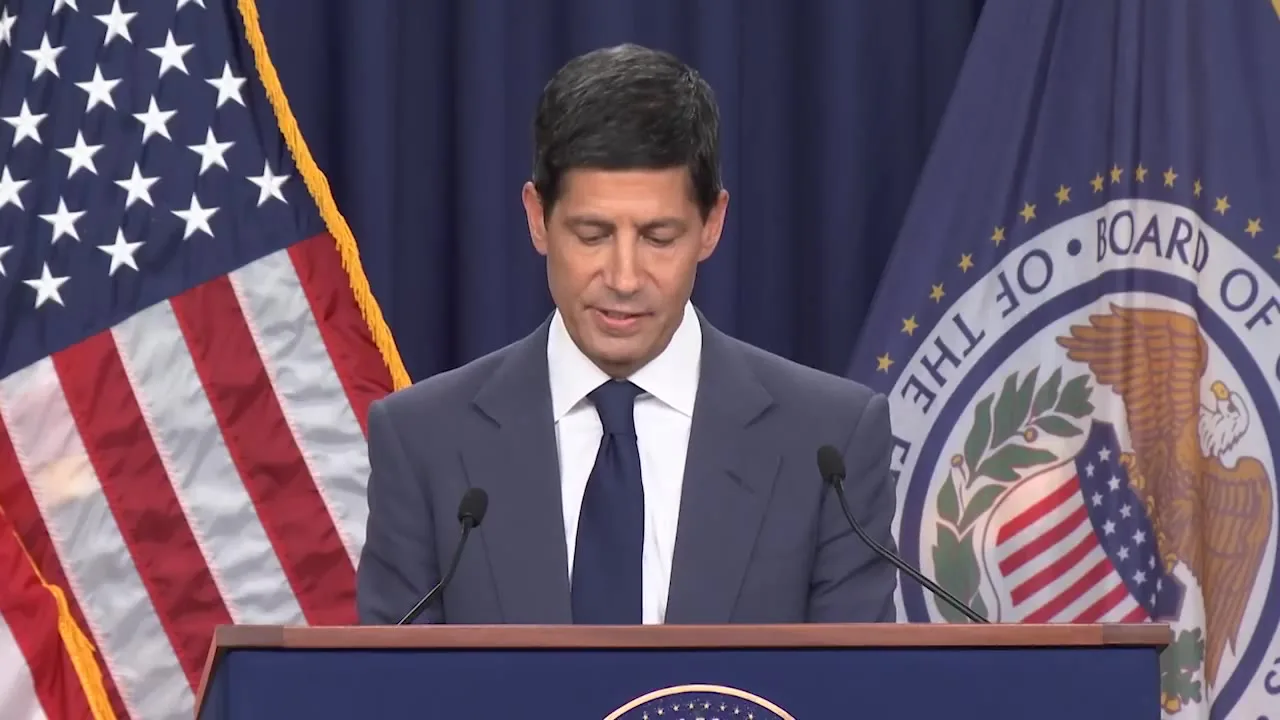
The benchmark U.S. interest rate stayed at 3.75% to 4% as policymakers sought more information to guide their efforts to bring inflation down, the Federal Reserve chair said on Oct. 28.
The decision kept borrowing costs unchanged despite stronger economic growth, with inflation still above the central bank's goal. The remarks came in “FOMC Introductory Statement, October 28, 2026,” published that day on its own channel.
The Federal Open Market Committee, which sets interest rates, said spending had held up despite uncertainty partly linked to geopolitical developments. Productivity and business investment were strong, while job gains had matched workforce growth.
The committee said additional information would help it determine the policy needed to return inflation to its 2% goal. “The committee will deliver price stability,” the chair said.
The chair put first-half economic growth at 2.4%, revised up from an earlier estimate of 1.8%. The third quarter appeared to have brought faster growth, supported by consumer spending likely growing above 3%.
Business investment likely increased at about a double-digit pace. Spending on buildings, equipment and other capital assets accounted for a historically high share of gross domestic product, with high technology leading the increase.
Investment growth had also spread to other categories. Payroll growth ran noticeably above last year's pace, while the four-week average of unemployment insurance claims remained at its lowest level in generations.
Inflation had exceeded the committee's objective for close to six years. That persistence put prices at the centre of its discussions, despite positive employment conditions.
Financial and credit conditions had tightened for some businesses and households since the September policy action. Investors had become more selective about where they put money, though the chair stopped short of describing financial conditions as tight.
The committee also discussed geopolitical developments and rapid technological changes. Financial markets had experienced periods of volatility and changes in how different assets moved relative to one another.
Energy and related prices had risen again in recent weeks. The central bank sought to prevent those increases from spreading across the economy and to keep expectations for future inflation stable.
The chair said policymakers were ready to act as circumstances required. Incoming information would help determine the next policy setting, leaving the timing and direction of any rate change open.
The committee also decided to change its meeting schedule starting next fall while retaining eight meetings a year. One meeting in 2027 would focus exclusively on monetary policy strategy, with neither a rate vote nor a policy statement anticipated.
The remaining meetings would set policy. The chair expected two strategy meetings and six policy-setting meetings in 2028, allowing policymakers to consider longer-term questions alongside their regular assessments of near-term economic developments.