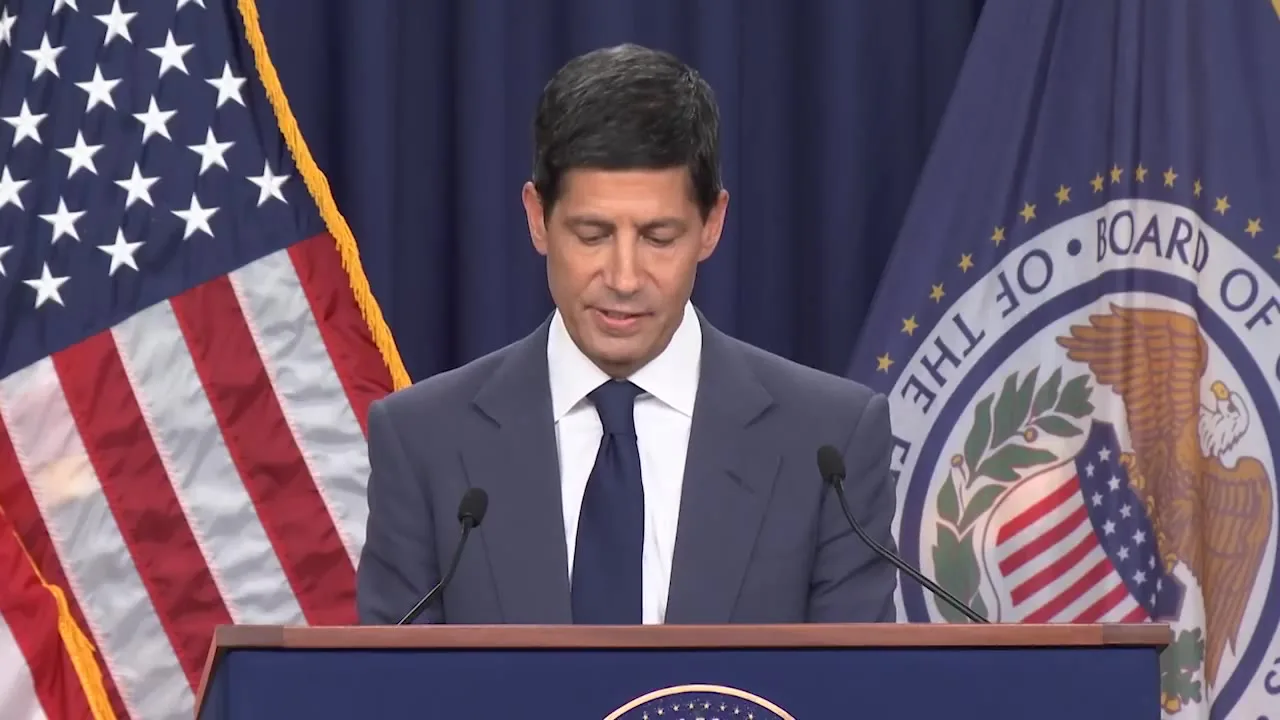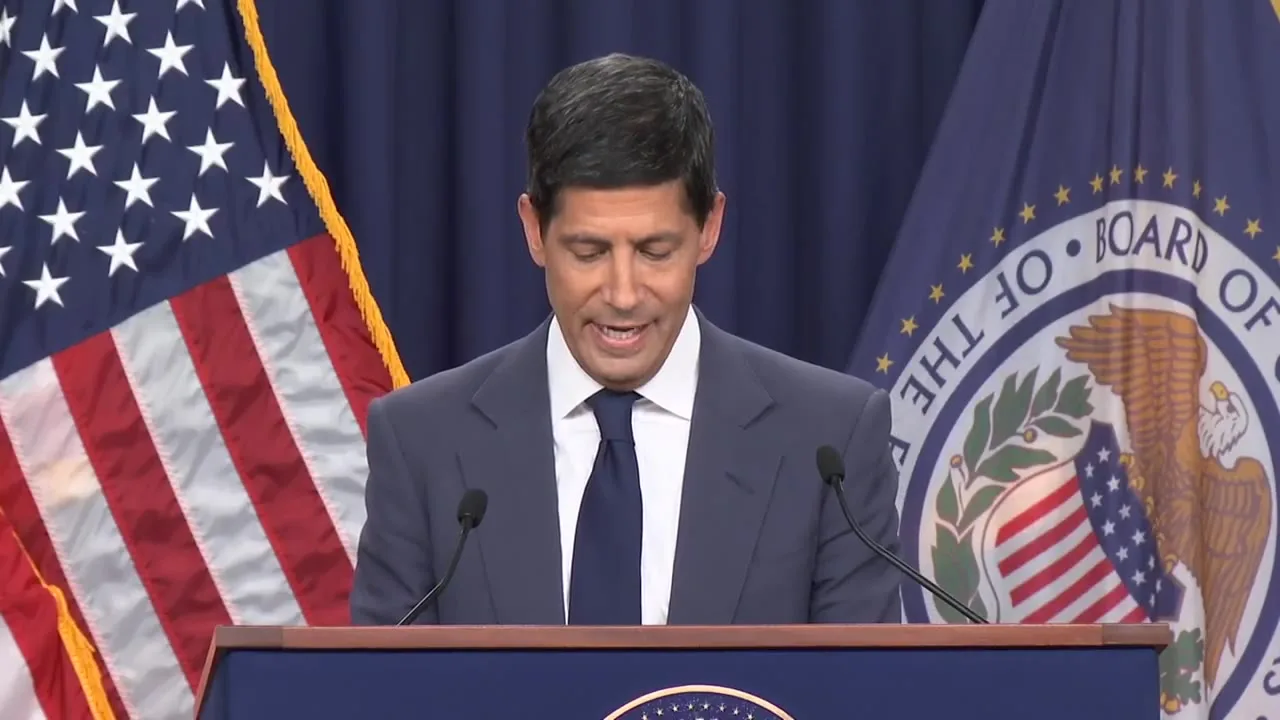
The Federal Reserve held its benchmark interest rate at 3.75% to 4% on Oct. 28 while awaiting more information to guide its next decision, the central bank's chair said.
The pause followed a September tightening, but the chair left open whether rates would rise again or the current level would suffice. The remarks came in the Fed's own “FOMC Press Conference, October 28, 2026,” published Oct. 28.
The chair described stronger growth alongside persistent inflation. The Federal Open Market Committee, which sets interest rates, focused mainly on bringing prices under control because employment conditions remained positive.
The chair put first-half gross domestic product growth at a revised 2.4%, up from 1.8%. Third-quarter consumer spending growth likely exceeded 3%, while business investment likely grew at about a double-digit pace.
Capital spending accounted for a historically high share of economic output. High-tech investment led the increase, with spending also spreading into other categories.
The unemployment rate was lower than a year earlier, and payroll growth exceeded last year's pace. The four-week average of unemployment insurance claims was at its lowest level in generations.
Inflation, however, had exceeded the committee's 2% target for close to six years. Energy and related prices had risen again in recent weeks, raising the task of preventing those increases from spreading across the economy.
Financial and credit conditions had tightened for some households and businesses since September. “While overall financial conditions are tighter, I'm unwilling and unable to call them tight,” the chair said.
The chair described policymakers as ready to act but said incoming information would help determine the next step. The objective remained to bring inflation back to target while keeping expectations of future price increases stable.
The committee also changed its meeting schedule starting next fall. It will retain eight annual meetings, but one in 2027 will focus exclusively on strategy, with no interest-rate vote or policy statement anticipated.
The chair expected two strategy meetings and six policy-setting meetings in 2028. The aim was to reserve more time for longer-term questions alongside regular assessments of economic conditions.
Asked why the committee had not raised rates immediately, the chair described changes introduced over the preceding five months: reaffirming the inflation target, taking responsibility, explaining a policy framework and tightening in September.
Market measures of expected inflation had moved in the desired direction, but price stability had not been achieved. Policymakers broadly judged that their approach was beginning to work, without reaching firm conclusions about the appropriate rate.
The chair described 18 colleagues as independent and said they submitted individual rate projections. The chair did not submit one and had no plans to do so.
Details of public disclosures after strategy meetings remained undecided. The chair expected to share more information once those arrangements had been developed.
The chair reiterated that stable prices were the most important contribution monetary policy could make under Congress's employment and inflation mandate. Five task forces had year-end deadlines, although the chair expected only some to meet them.