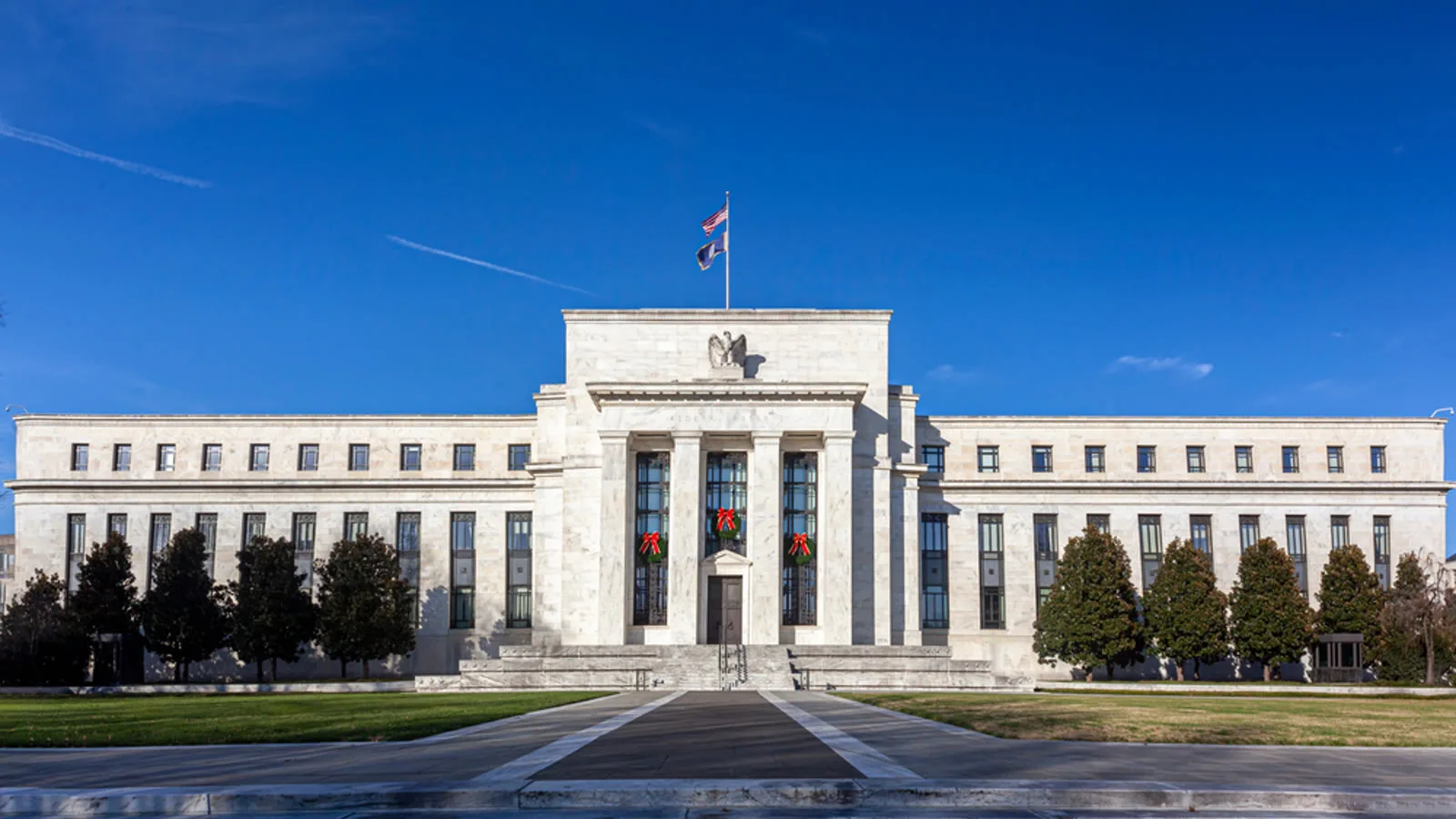
The Federal Reserve needs to raise interest rates further to bring inflation back toward 2%, a speech published by the Bank for International Settlements on Nov. 12 said.
The speech supported holding rates steady at the latest policy meeting but called for increases to follow soon. The BIS published “The economic outlook and some thoughts on labor market dynamism” on Nov. 12, 2026, in its central bankers’ speeches series.
The speaker’s name was absent from the supplied text, which ended before the discussion of the economic outlook and monetary policy was complete. The available remarks questioned whether stable employment necessarily means the labor market is healthy.
The speech cited an initial estimate of 3.4% growth in inflation-adjusted U.S. gross domestic product in the third quarter, supported by consumer spending and business investment. It attributed part of the investment growth to high-tech equipment linked to artificial intelligence.
October unemployment fell to 4.1%, matching its summer level, while employers added 165,000 jobs. Revisions added another 85,000 jobs to estimates for the previous two months.
Average monthly job gains over six and 12 months were closer to 80,000. Those gains were described as consistent with a rough balance between the supply of workers and employers’ demand for them.
But hiring and departures had both stayed unusually low for more than a year, compared with pre-pandemic conditions. Low hiring usually accompanies a weak labor market, when dismissals often rise.
Movement between jobs helps workers find positions where they are more productive, supporting higher wages and profits. September’s net gain of 60,000 jobs concealed more than 5 million departures and more than 5 million hires.
An aging and better-educated workforce could explain some of the decline in job changes. The speech put the share of adults aged 25 and older with at least a bachelor’s degree at 37%, up from 28% in 2010.
Job movement still appeared somewhat low after allowing for those trends. Possible explanations included uncertainty over artificial intelligence, tariffs and immigration policy, along with workers staying in jobs they found during the pandemic.
The Federal Reserve’s November 2025 Beige Book survey found employers held back hiring because of uncertainty. The latest survey also described firms delaying recruitment or expecting fewer new jobs after investing in artificial intelligence.
The causes were difficult to separate and their duration hard to judge. The remarks left open whether reduced job movement required a monetary policy response, while arguing that rate increases already anticipated by financial markets still needed to happen.