


 European Auto Stocks Rise as EU-China Trade Deal Targets Hybrid Imports
  UK Finance Minister Healey Calls for Fiscal Discipline Amid Global Risks
  Fed’s Hammack Says Bond Yield Surge Is Not Driven by Inflation Fears
  RBA Says ASX Still Falls Short on Governance and Risk Controls
  RBI Rate Hike Bets Surge as Inflation Rises
  Philippines Current Account Deficit Seen at $19.1 Billion in 2026
  Fed Minutes Signal Another Rate Hike by Year-End
  RBI Uses $10 Billion Currency Swaps to Drain Excess Rupee Liquidity
  Gold Prices Rise Above $4,200 as Russia-Ukraine Energy Truce Eases Oil Concerns
  Oil Prices Surge Above $106 After Deadly Saudi Airport Attack
  Visa Wins China Approval to Prepare Domestic Payments Expansion
  RBA Hikes Interest Rate to 4.60% as Inflation Risks Rise


 Add as a preferred source on Google
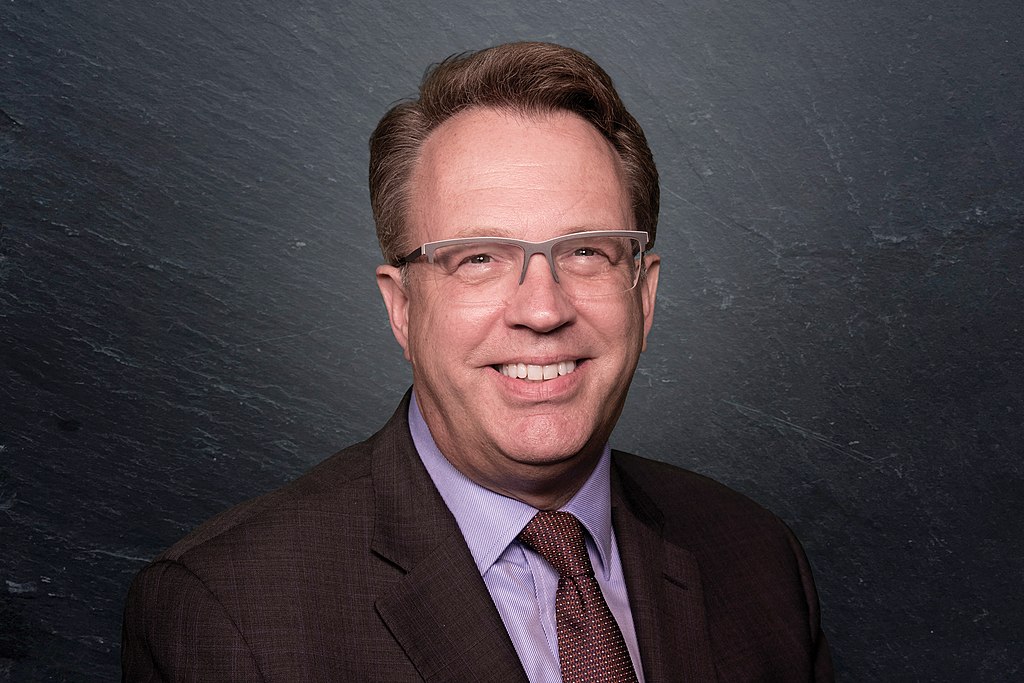
Federal Reserve Bank of New York President John Williams said Tuesday that he continues to support one additional interest rate hike in 2026 but does not anticipate further increases in 2027, citing expectations that inflation will ease despite persistent economic pressures.
Speaking in an interview with Bloomberg at the New York Fed, Williams reaffirmed his monetary policy outlook, suggesting that the Federal Reserve may be approaching the end of its current tightening cycle.
Williams said another rate increase could be appropriate this year but emphasized that current economic conditions do not justify additional tightening beyond that.
His comments come as Federal Reserve policymakers assess inflation risks stemming from higher energy prices, trade tariffs and accelerating artificial intelligence investment.
Despite these challenges, Williams expects U.S. inflation to decline significantly over the next 12 months, supported by underlying disinflationary trends across the broader economy.
The New York Fed president acknowledged that substantial spending on AI infrastructure has generated unusually strong demand in certain industries. However, he argued that these concentrated pressures should not overshadow the overall economic picture.
Williams emphasized that the U.S. economy is not experiencing widespread overheating, pointing to improvements in underlying inflation indicators as evidence that price pressures are gradually moderating.
His assessment suggests that the central bank could maintain a cautious approach to future interest rate decisions rather than pursue an extended period of monetary tightening.
Williams also defended the Federal Reserve's decision to raise its benchmark interest rate by 25 basis points in September, explaining that two additional months of economic data had provided policymakers with greater clarity about inflation and economic activity.
However, he cautioned that uncertainty surrounding the economic outlook remains elevated, particularly as energy market volatility, tariff policies and AI-driven investment continue influencing growth and consumer prices.
With October still underway, Williams stressed that policymakers must remain flexible and closely evaluate incoming economic indicators before determining their next steps.
His remarks reinforce expectations that the Federal Reserve could deliver one final interest rate increase in 2026 before keeping borrowing costs steady throughout 2027, provided inflation continues easing and broader economic conditions remain stable.







