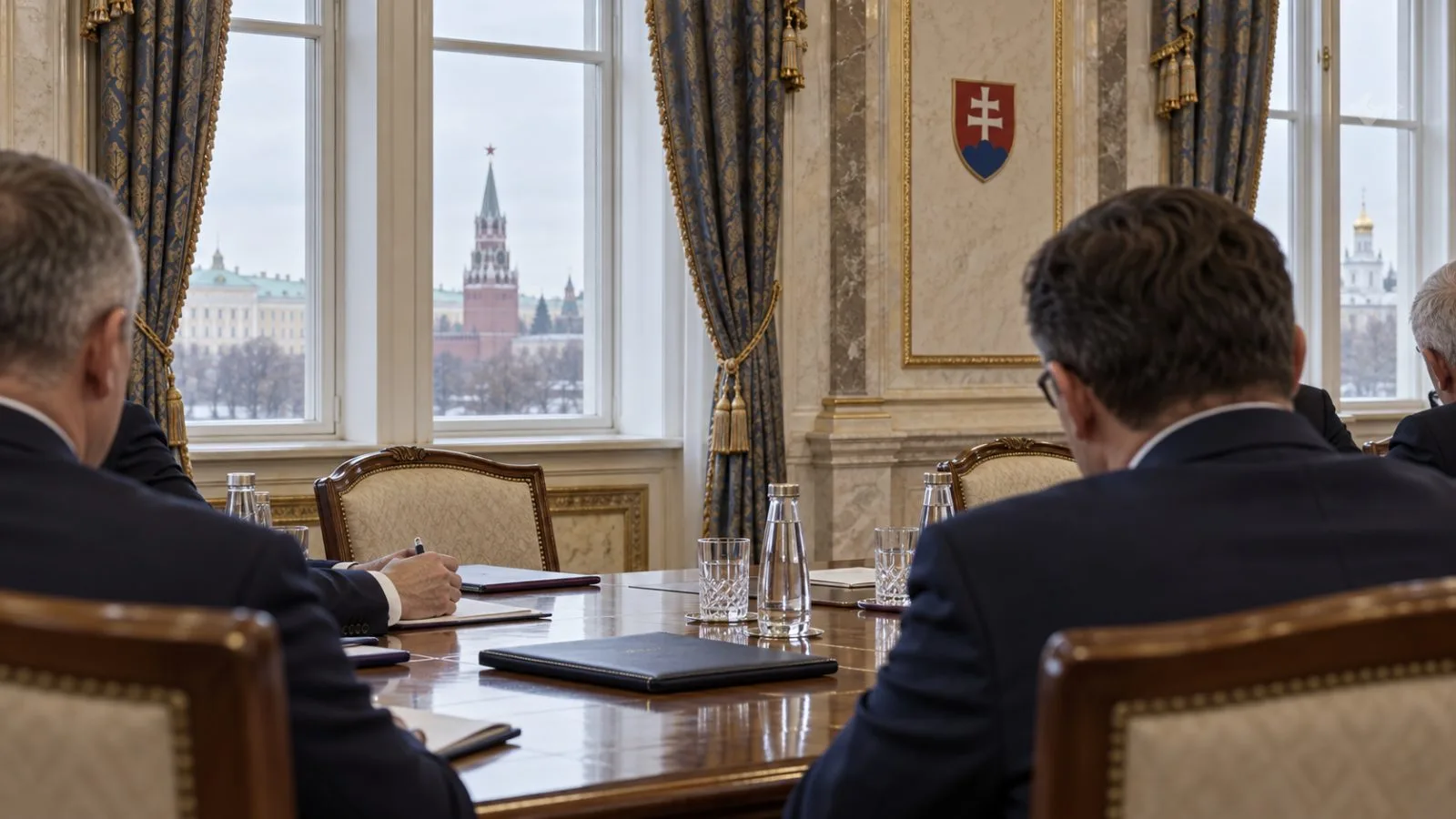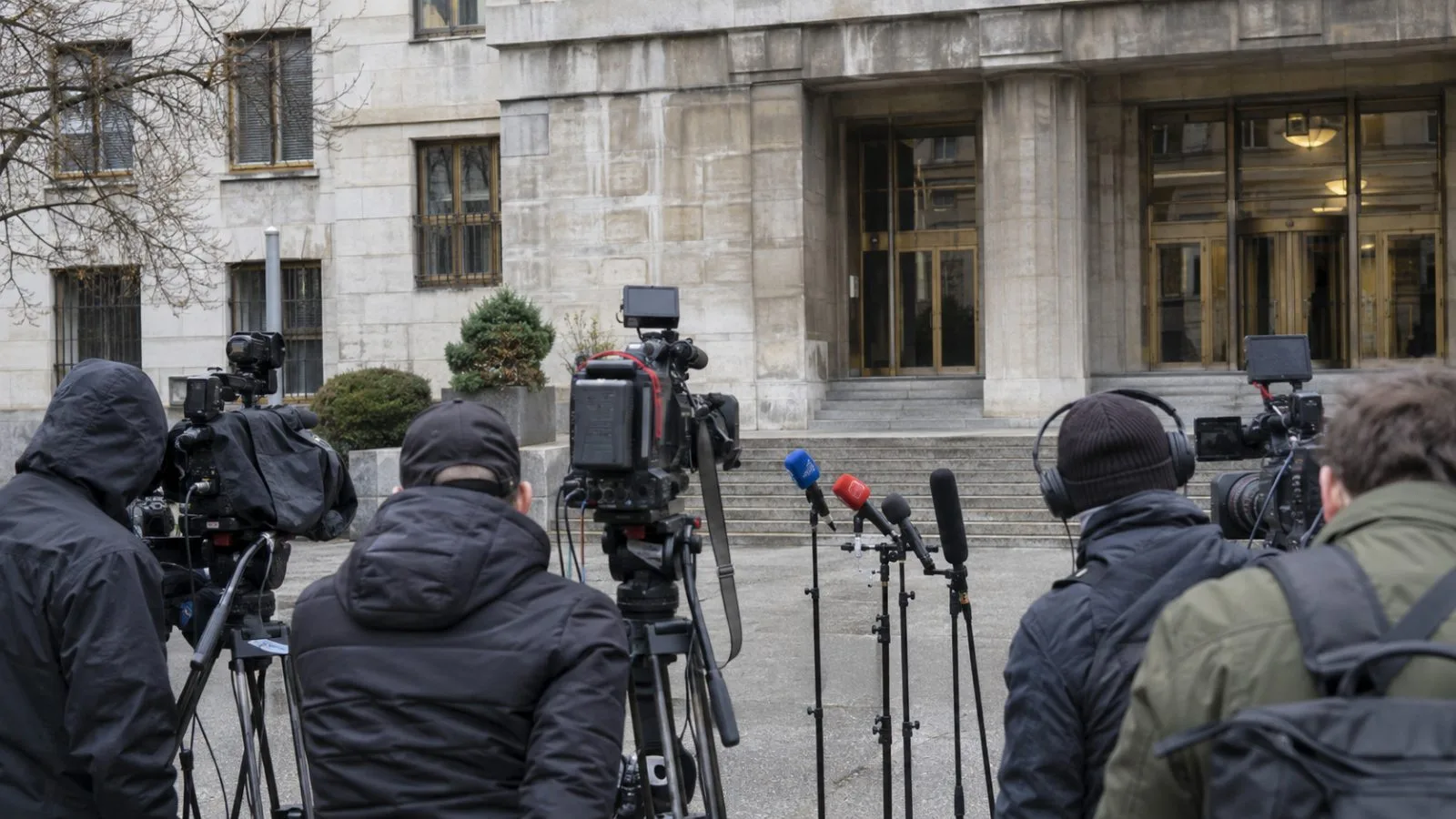
Slovak Prime Minister Robert Fico invoked his country’s veto power Tuesday after German Chancellor Friedrich Merz sought an EU-wide pledge on Ukraine’s 2027 funding before discussions could proceed on other issues.
Reuters reported that it had seen a letter from Merz to European Council President Antonio Costa asking all European Union (EU) members to help address a forecast €70 billion shortfall in Ukraine’s 2027 financing. Merz’s letter put the expected EU contribution at €45 billion, Reuters reported.
Merz wanted the pledge in place before any further matters came up for discussion, with financial issues receiving particular emphasis, according to Reuters’ account of the letter. The demand links Ukraine’s financing to negotiations over the EU’s next long-term budget, which is being prepared for 2028 through 2034.
Fico described the linkage as “blackmail” and said Slovakia had the same veto power as the German chancellor. Czech Prime Minister Andrej Babis, speaking alongside Fico, argued that a budget blockade would hold up funds intended for Ukraine, Reuters reported.
Reuters described Merz’s move as an effort to use Germany’s position as the EU’s largest budget contributor to press governments reluctant to commit to more Ukraine support. The dispute puts the budget negotiations in play as a point of leverage in the debate over how member states share the cost of financing Ukraine.
The European Council agreed Dec. 18, 2025, to provide Ukraine a €90 billion loan for 2026 and 2027. Its decision said the EU budget guarantee for the loan would not affect the financial obligations of Slovakia, the Czech Republic or Hungary.
Reuters has reported that Fico opposes military aid to Ukraine and maintains cordial ties with Russia. The agency also previously reported that his government ended military aid to Ukraine.