The Florida Supreme Court has ruled that a new Republican-backed congressional map will remain in place for the 2026 midterm elections, delivering a significant victory for the GOP as it seeks to maintain its narrow majority in the U.S. House of Representatives.
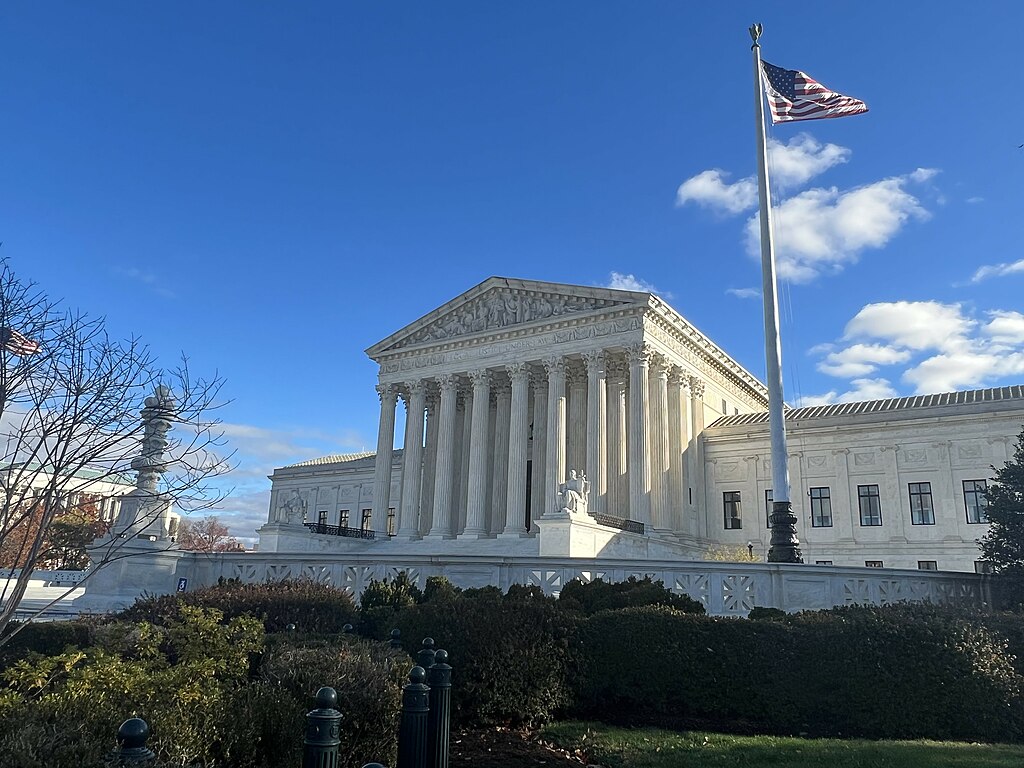
In a 6-1 decision issued Wednesday, the court declined to block the newly drawn congressional districts, stating that it lacked jurisdiction to intervene while a legal challenge is still being reviewed by a lower appeals court. The ruling effectively ensures that the map will be used in the upcoming election cycle, with the congressional candidate filing deadline approaching and primary elections scheduled for August.
The revised Florida congressional map is designed to strengthen Republican representation and could potentially flip up to four Democratic-held seats. Democrats and voting rights advocates have challenged the map, arguing that it violates Florida’s constitutional ban on partisan gerrymandering, which prohibits district boundaries from being drawn to favor a political party.
Plaintiffs in the lawsuit requested that the state revert to its previous congressional map until the legal dispute is resolved. However, the court’s decision means election officials will continue preparations using the new district lines.
The battle over Florida redistricting is part of a broader national fight over congressional maps. The controversy intensified after President Donald Trump encouraged Texas Republicans to pursue a mid-decade redistricting effort aimed at strengthening GOP electoral prospects. Since then, several Republican- and Democratic-controlled states have explored redrawing congressional boundaries for political advantage.
Florida lawmakers approved the new map in April shortly after a U.S. Supreme Court ruling weakened certain Voting Rights Act protections related to minority voting districts. Critics argue that several Republican-led states have since moved to eliminate majority-Black districts that traditionally support Democratic candidates.
Genesis Robinson, executive director of Equal Ground, one of the groups challenging the map, criticized the ruling, calling it a failure to protect democratic principles. Republicans currently hold 20 of Florida’s 28 U.S. House seats, and the new map could further solidify the party’s influence in the state.