Foreign investors bought about 140 billion won of Korean shares before the main session opened on Oct. 21.
The buying reversed the direction of the previous morning’s early trading, when foreigners sold about 150 billion won. Whether purchases would continue through the session and into the next day remained uncertain.
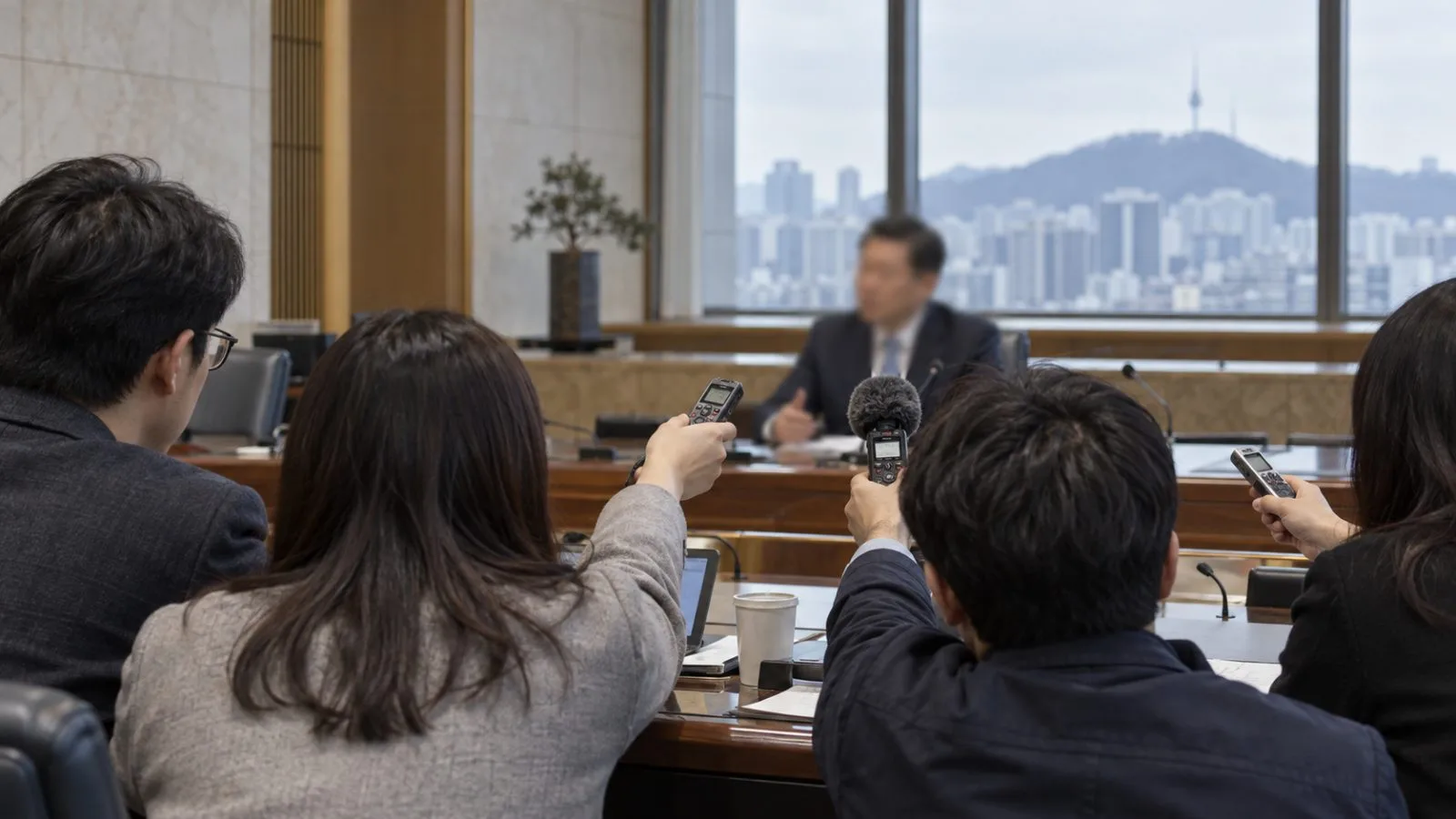
“Our market’s direction depends on what foreign investors do,” according to translated remarks on Korea Economic TV’s morning stock programme. The recording was published on Oct. 21. The speaker’s name, professional role and employer were unavailable.
Foreign purchases on the NXT trading venue were initially put at about 100 billion won, before the figure was raised ahead of the opening. The buying was expected to support a higher start.
Aerospace shares showed early strength, followed by semiconductor materials and equipment suppliers and some biotechnology stocks. Those moves were linked to developments involving U.S. companies.
U.S. stocks recovered from an initially weaker start as corporate earnings supported trading, oil prices fell and bond yields avoided further increases. Semiconductor shares pared losses, easing concerns about the Korean opening.
The Kospi was expected to open about 100 points higher. Foreign trading on NXT had often continued in the same direction during the main session, although reversals occurred.
Samsung Electronics and SK Hynix were later seen as trading at attractive prices if anticipated earnings growth materialised. The timing of any reassessment remained uncertain, and the argument depended on future company profits.
“Ultimately, corporate earnings will tell the story,” according to the remarks. Whether memory chipmakers would continue their historical pattern of alternating strong profits and downturns was questioned.
After trading began, foreign net purchases fell to about 89 billion won from the pre-opening level. Thin quantities at individual prices allowed shares to rise and retreat quickly.
Foreign buying subsequently recovered above 100 billion won, while SK Hynix extended its advance to about 6%. Samsung Electronics and SK Hynix increasingly drove the session’s gains.
The rebound did not restore every stock’s previous losses. Some individual shares had fallen sharply a day earlier and showed only limited improvement despite the stronger index.
Aerospace-related shares continued to attract buying, while Hyundai Motor and Kia traded around unchanged or lower. The broader market’s strength continued to be tied to foreign purchases, leaving their persistence as the unresolved question.