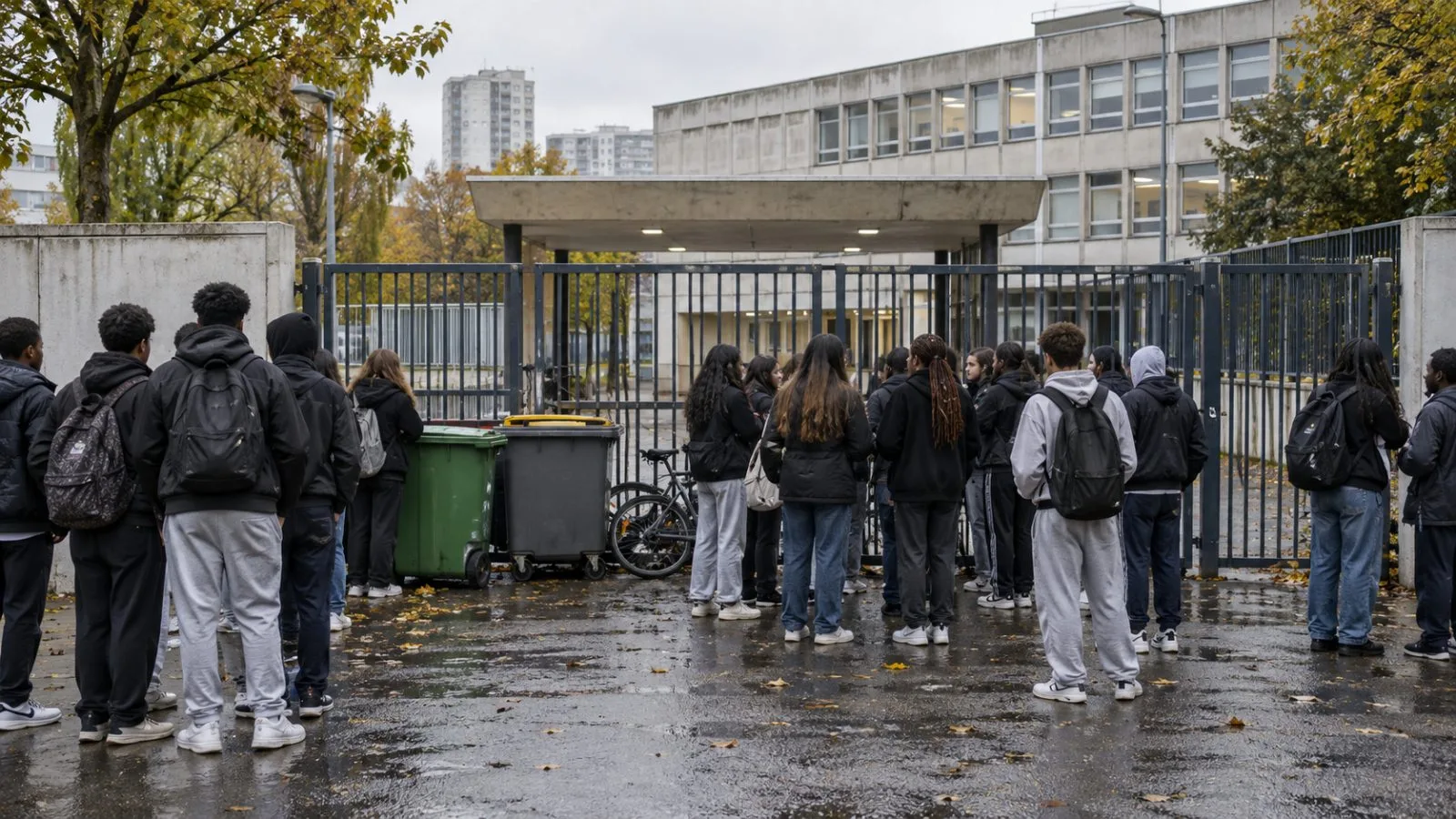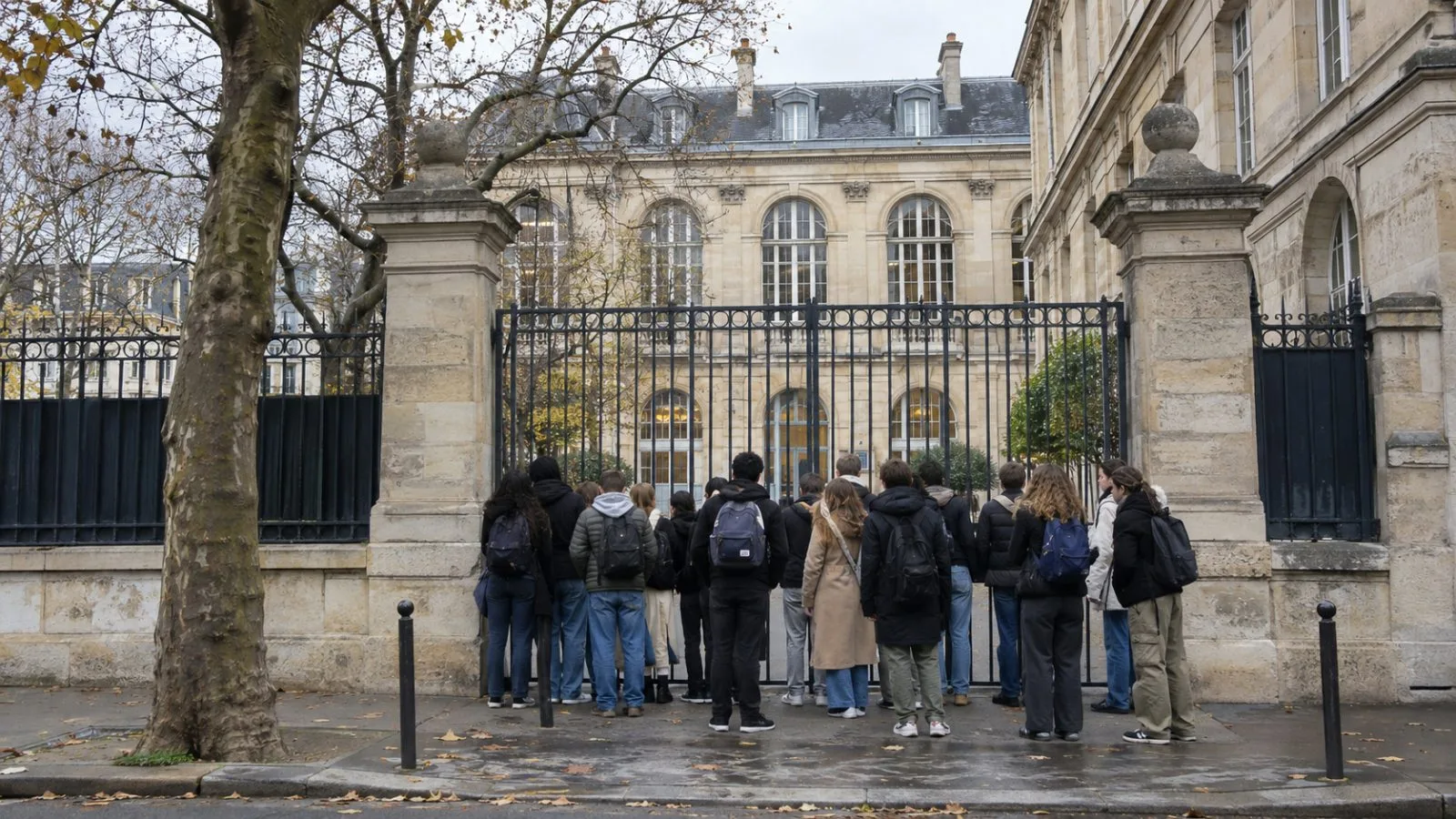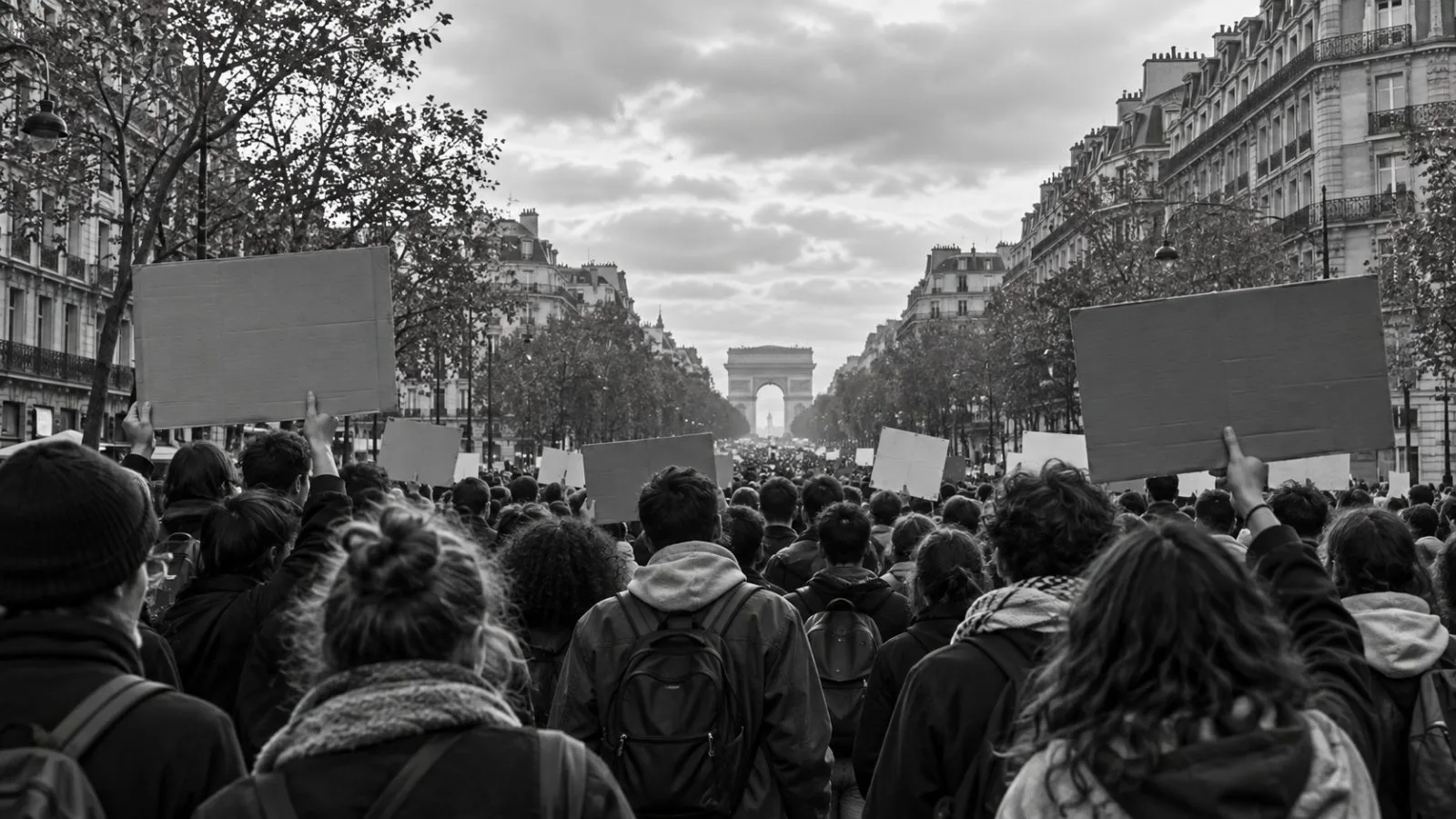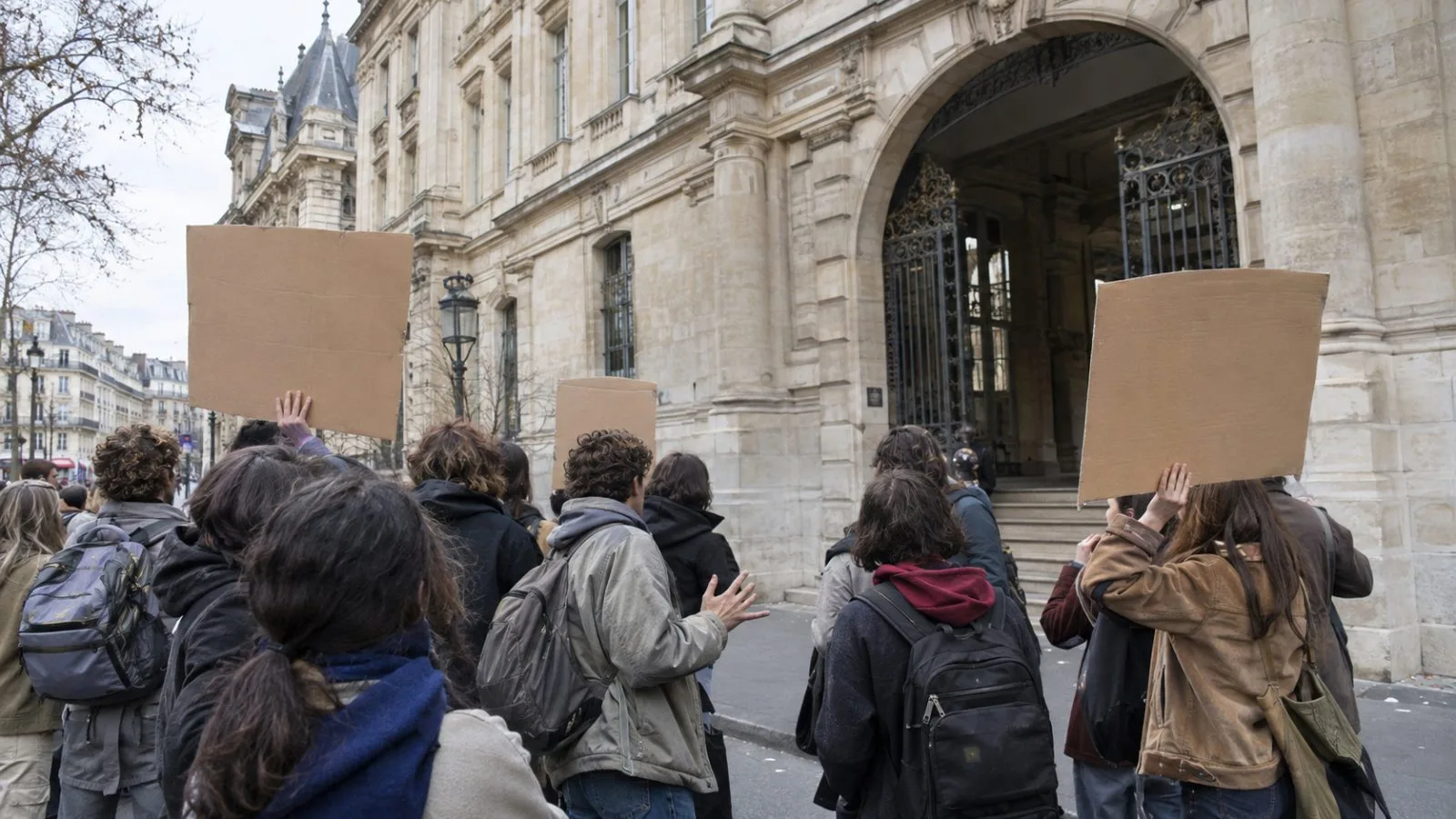
Sociologist Éric Fassin said France’s student protests expose a dispute over socioeconomic policy and democratic participation, bringing the government’s response and treatment of working-class and racialized youth into focus.
France 24 published the interview Monday, Nov. 2, with presenter Jennie Shin speaking to Fassin, a professor at Université Paris 8. He cast the demonstrations as a challenge to socioeconomic policy and described the government’s direction as an “illiberal turn.”
Fassin said elections are essential but do not mark the end of democratic life. “In a democracy, elections are very important, but it’s not the end of democracy. It’s the beginning,” he told Shin.
Questions about who gets heard were central to his account. Fassin said the treatment of working-class and racialized young people, racism and the ability to participate in democracy all matter to understanding the unrest. He also linked those issues to a debate over normalizing oppressive measures.
On political blame, Fassin questioned explanations focused on the left. He said the debate also concerns how oppressive measures become normalized, alongside government conduct and the far right.
French President Emmanuel Macron has described the movement’s demands as legitimate and identified living costs among the concerns, as protests spread beyond schools. He called for action on student grievances Monday. France’s Education Ministry said Education Minister Édouard Geffray and Higher Education Minister Philippe Baptiste would present the government’s response and report on student consultations and talks about Parcoursup, France’s higher education admissions platform.