Banks can influence whether climate-exposed households and businesses retain access to finance for preparing for climate impacts, the Global Alliance for Banking on Values (GABV) says in a paper urging lenders to make adaptation a strategic priority alongside managing physical climate risks.
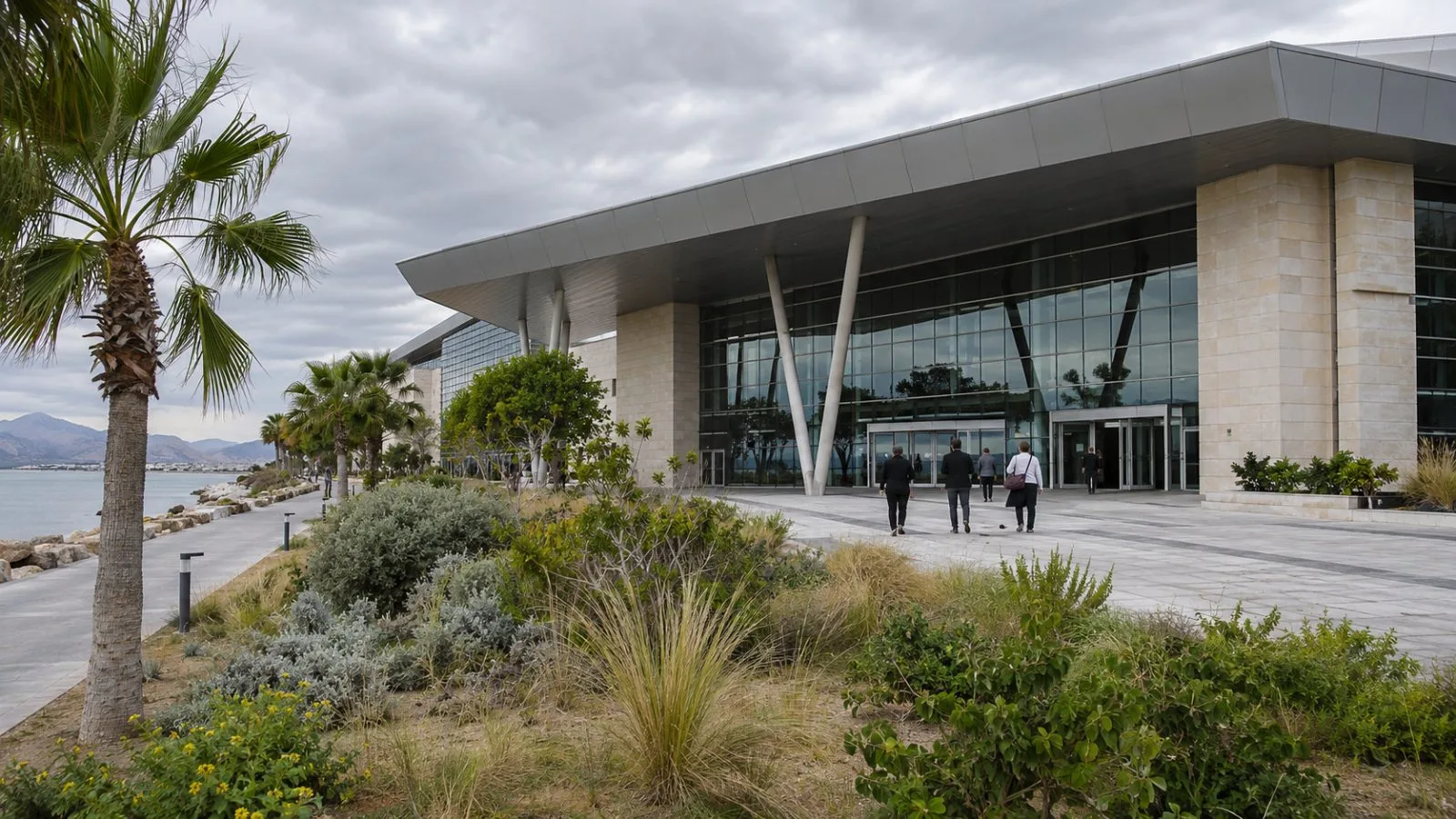
GABV said the paper, Advancing Climate Adaptation and Resilience in Banking, was presented at COP31 in Antalya, Türkiye. It calls on banks to evaluate resilience outcomes as well as the amount of capital mobilized for adaptation.
The funding shortfall is especially pronounced in developing countries. The United Nations Environment Programme (UNEP) estimates they will need $310 billion to $365 billion annually for adaptation by 2035. International public adaptation finance for those countries was $26 billion in 2023, leaving an estimated annual gap of $284 billion to $339 billion, according to UNEP’s Adaptation Gap Report 2025. The estimates use 2023 values and are not adjusted for inflation.
GABV’s published overview recommends making financial inclusion central to resilience efforts, using locally led and collaborative approaches, and measuring whether financing improves resilience. It cites mangroves as an example of adaptation that can reduce wave energy and coastal erosion while supporting biodiversity and sequestering carbon.
“We cannot respond to climate risk simply by making the people and places most exposed to it unbankable,” Jules Massin, GABV’s Impact & Metrics Manager and a co-author, said in the announcement. Massin said reducing a bank’s exposure does not always reduce climate risk.
The announcement also cites examples involving Triodos Bank UK, BRAC Bank in Bangladesh and Vancity in Canada. GABV’s published overview does not give details of those projects.