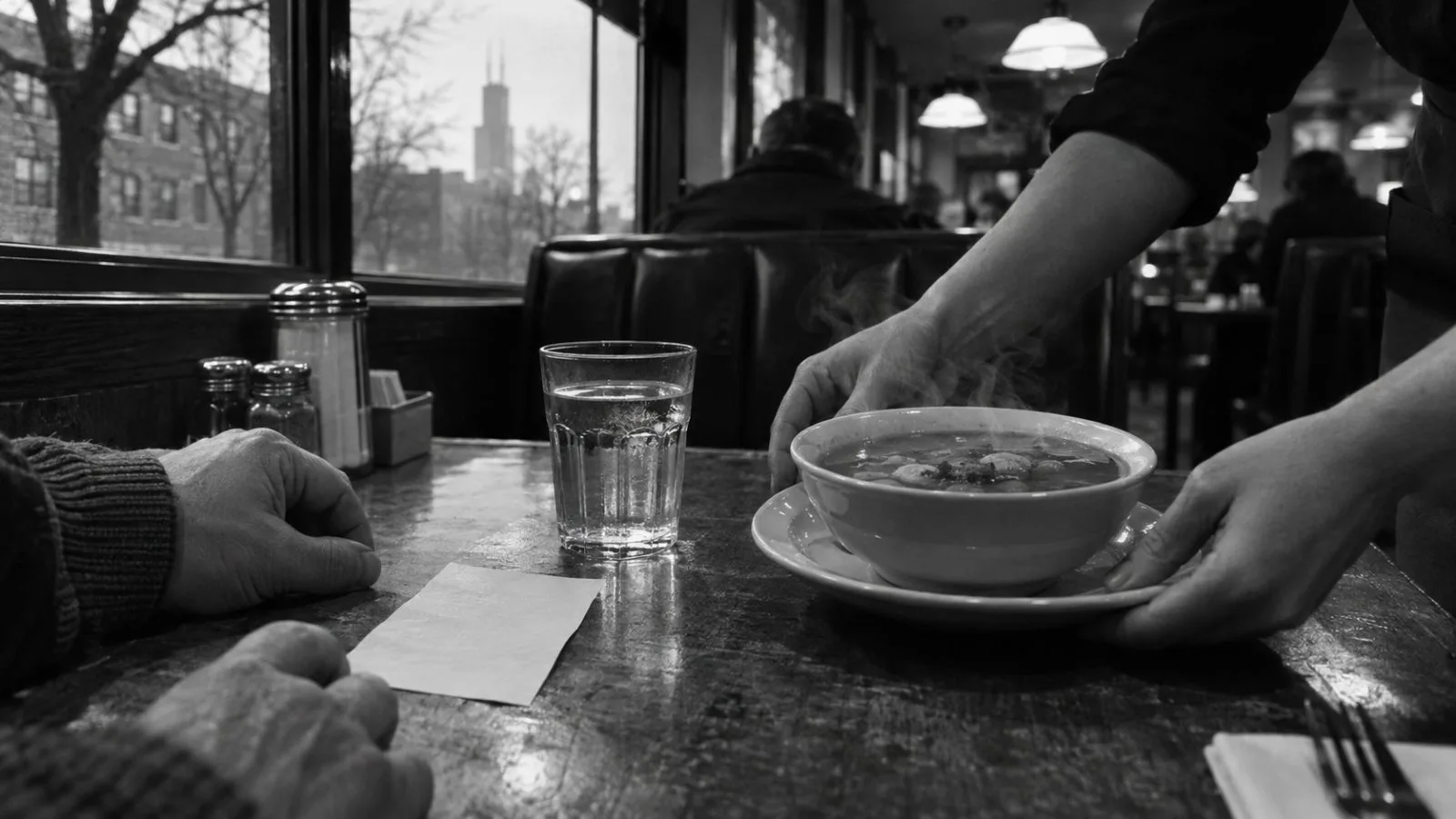
A report from Andreessen Horowitz found that by the midpoint of their second treatment year, households using glucagon-like peptide-1 (GLP-1) drugs were spending slightly more on restaurant meals than before treatment, as food choices shifted.
Andreessen Horowitz's Nov. 6 report cited Circana figures that Dan Frommer had highlighted for The New Consumer. It said spending on store-bought food and food away from home fell early in treatment, then began recovering during year two. Households with a GLP-1 user spent more on food than the average household before treatment and stayed above average.
Receipts showed a stronger second-year tilt toward water, soup, rice, fruit and vegetables. Receipts also showed marked declines in purchases of sausage, pies and alcohol.
Alcohol spending followed a different pattern from overall food spending. Before treatment, these households spent around or above average on alcohol. By year two, spending was below average in all categories except wine, where it rose moderately, according to the report.
Outlays for candy and frozen treats climbed during the first two years. In both categories, households that began below average later moved above it. Andreessen Horowitz raised data noise and a switch from pies, cookies and cake to popsicles or ice cream as possible explanations, but did not establish what drove the gains.
The report contrasted its findings with expectations that wider use of GLP-1 drugs would sharply reduce restaurant dining and consumer packaged goods purchases. It said the data instead pointed to a modest increase in food spending as the mix of purchases changed.
Separate Circana tracking showed monthly alcohol spending was about 7% lower after two years in households with a GLP-1 user, while beer spending fell about 13.5%, according to earlier coverage of GLP-1 households' alcohol spending.