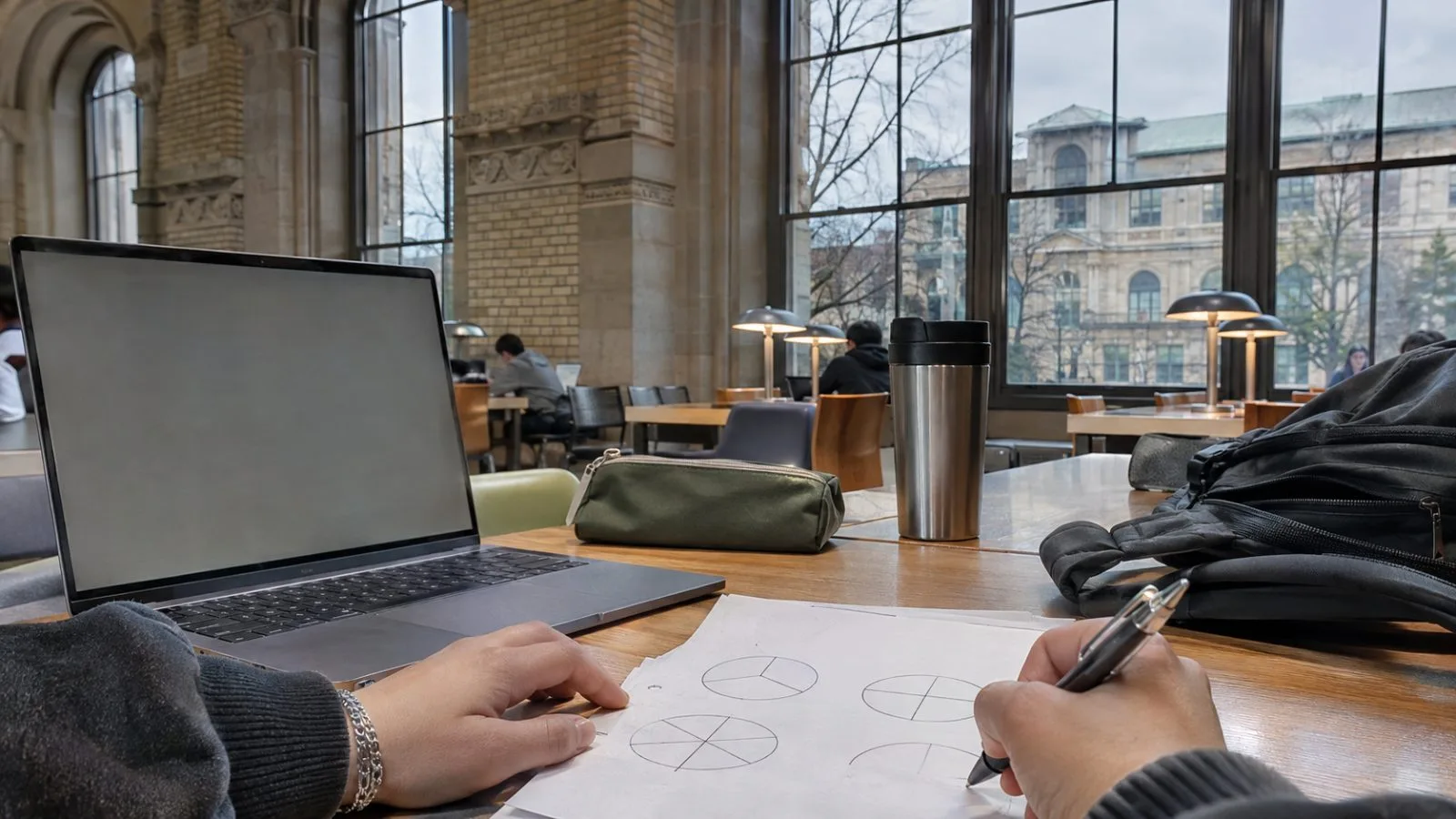
Groups offered GPT-5 during brief fraction and reading exercises scored lower on questions given immediately afterward without the tool, according to three randomized experiments involving U.S. participants.
On the first fraction test’s final questions, the group assigned GPT-5 access got 57% correct, compared with 74% for the control group. The second fraction experiment yielded 71% and 77%, respectively. In the reading experiment, the figures were 76% for the AI-access group and 89% for the control group.
Carnegie Mellon University doctoral student Grace Liu and four co-authors recruited 1,222 U.S.-based participants across the experiments. After exclusions, the analyses covered 1,058 people: 305 in the first fraction experiment, 585 in the second and 168 in the reading experiment.
Random assignment determined whether participants could consult GPT-5 during the initial problems. Access ended before both groups were given three final questions, which participants could leave unanswered. The groups offered the assistant performed better while it was available.
In the first fraction experiment, the researchers reported skip rates of 20% for those offered GPT-5 and 11% for controls. The reading experiment produced reported rates of 8% and 1%. For the reading measure, responses entered in under five seconds also counted as skips, so those figures do not exclusively describe questions left unanswered.
The corresponding reported rates in the second fraction experiment were 10% and 7%, but the researchers did not find a statistically significant difference in the full comparison.
The authors said the first fraction experiment’s exclusion rule may have left less-skilled solvers in the group offered AI. They introduced an ability check before the second experiment. Some participants assigned access never used GPT-5, so the comparisons concern groups offered the tool rather than confirmed users.
The researchers suggested that quick access to complete answers could reduce opportunities to practice, but they did not directly test that explanation. Their paper cites earlier work on GPT-4-assisted math practice. These short experiments cannot establish whether the immediate gaps persist for hours or days, or occur in other kinds of work.