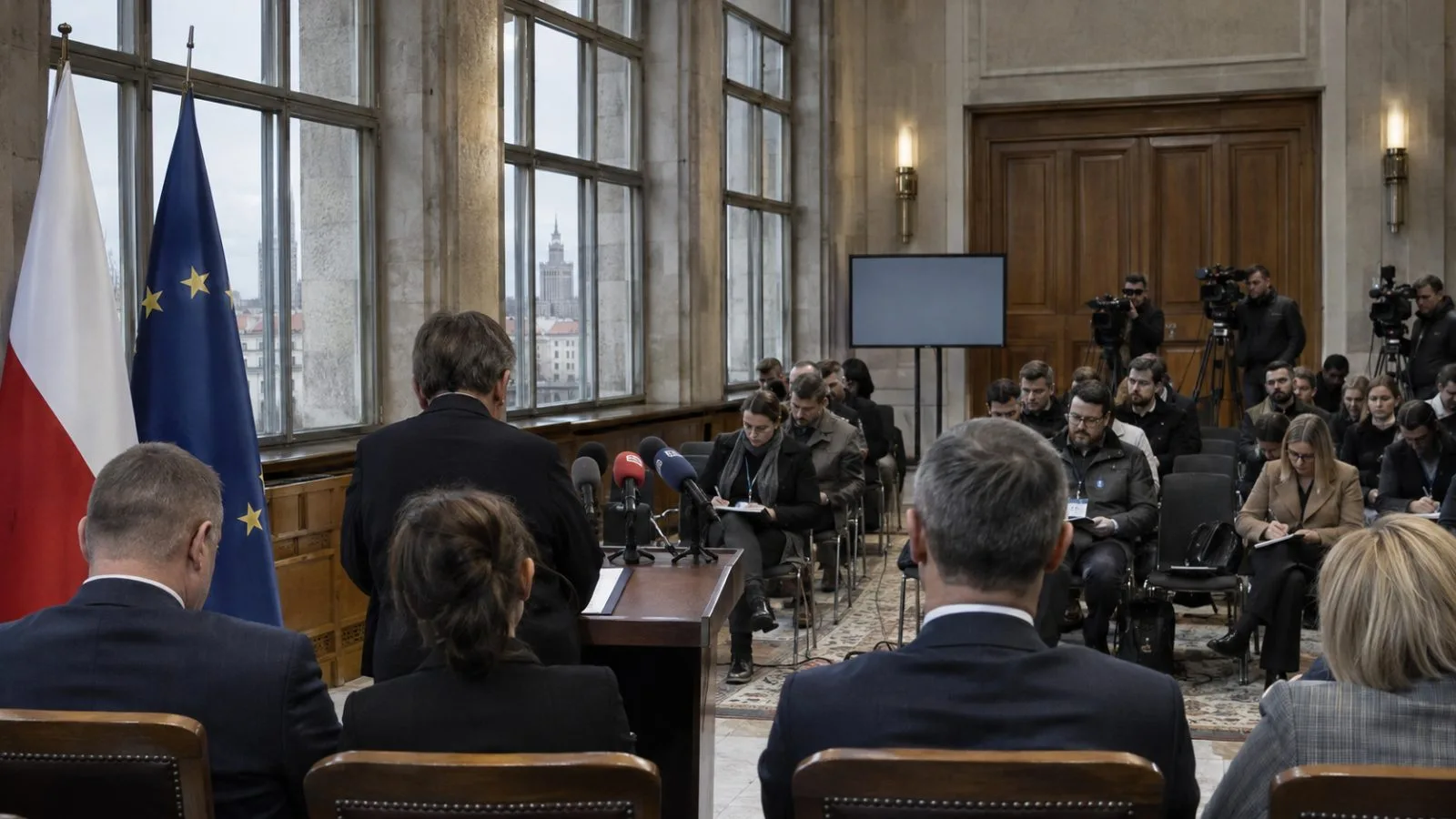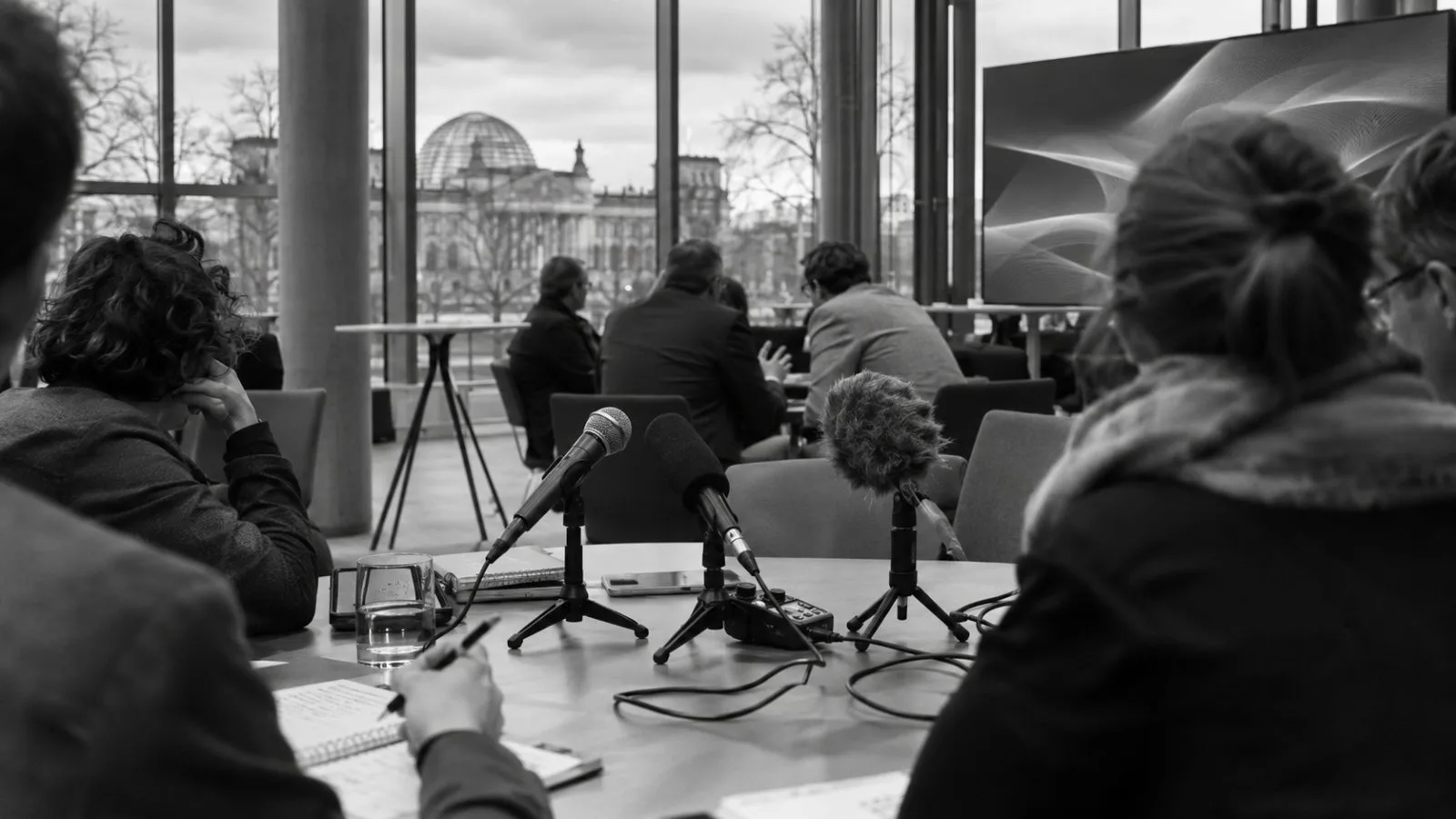
During a discussion with journalists attended by Euronews, Polish Deputy Prime Minister and Minister for Digital Affairs Krzysztof Gawkowski urged European governments to make clear that cyberattacks by states would draw a response, saying a visible threat of retaliation is central to deterrence.
“If you attack us, we will strike back,” Gawkowski said, according to Euronews. The outlet reported that he drew on Cold War nuclear deterrence, when the prospect of catastrophic retaliation discouraged direct conflict between the United States and the Soviet Union.
Gawkowski also forecast a 10-fold increase in cyberattacks in Poland in 2027, Euronews reported. He tied the projection to frontier large language models becoming more capable, sophisticated and widely available. The report did not give a baseline or describe how he arrived at the estimate. Euronews said Gawkowski named Russia and Belarus among state-level threats Europe should watch, but did not connect either country to recent refrigeration-system incidents.
In a public summary of his address at the Digital Summit in Berlin on Monday, Nov. 2, Poland’s Ministry of Digital Affairs said Gawkowski discussed vulnerabilities affecting critical infrastructure, AI as a tool for identifying cyber threats, dual-use technology and cooperation between public agencies and businesses. The ministry’s summary did not outline an agreed European retaliation policy.
A joint EU statement described incidents involving commercial cooling equipment and similar devices across several member states from Oct. 11, followed by another wave on Sunday and Monday, Nov. 1-2. It said affected national authorities were investigating and urged organizations to reduce exposure to the affected systems. The statement did not identify those responsible or tie the incidents to AI. A separate Euronews report put losses associated with the incidents in the millions.
NATO’s 2024 AI strategy calls for protecting alliance technologies and preparing for risks posed by adversarial uses of AI. Neither the public Polish summary nor Euronews’ account named a response threshold, mechanism or timetable for European cyber retaliation.