German factory demand rebounded in September, but an underlying measure barely grew over the third quarter, leaving the monthly surge short of confirming a broader recovery.
Germany’s Federal Statistical Office (Destatis) said the provisional September total rose 4.4% from August in real terms, after seasonal and calendar adjustment. The result stood 3.3% above September 2025 on a calendar-adjusted basis.
August’s decline was revised to 10.1%, from an initial estimate of 10.6%. Across the third quarter, total orders were up 0.2% from the second quarter, while orders excluding large-scale orders increased just 0.1%.
The September reading excluding large-scale orders rose 5.1%. The gap between that monthly increase and the modest quarterly movement shows that the rebound had not yet translated into much broader growth over the quarter.
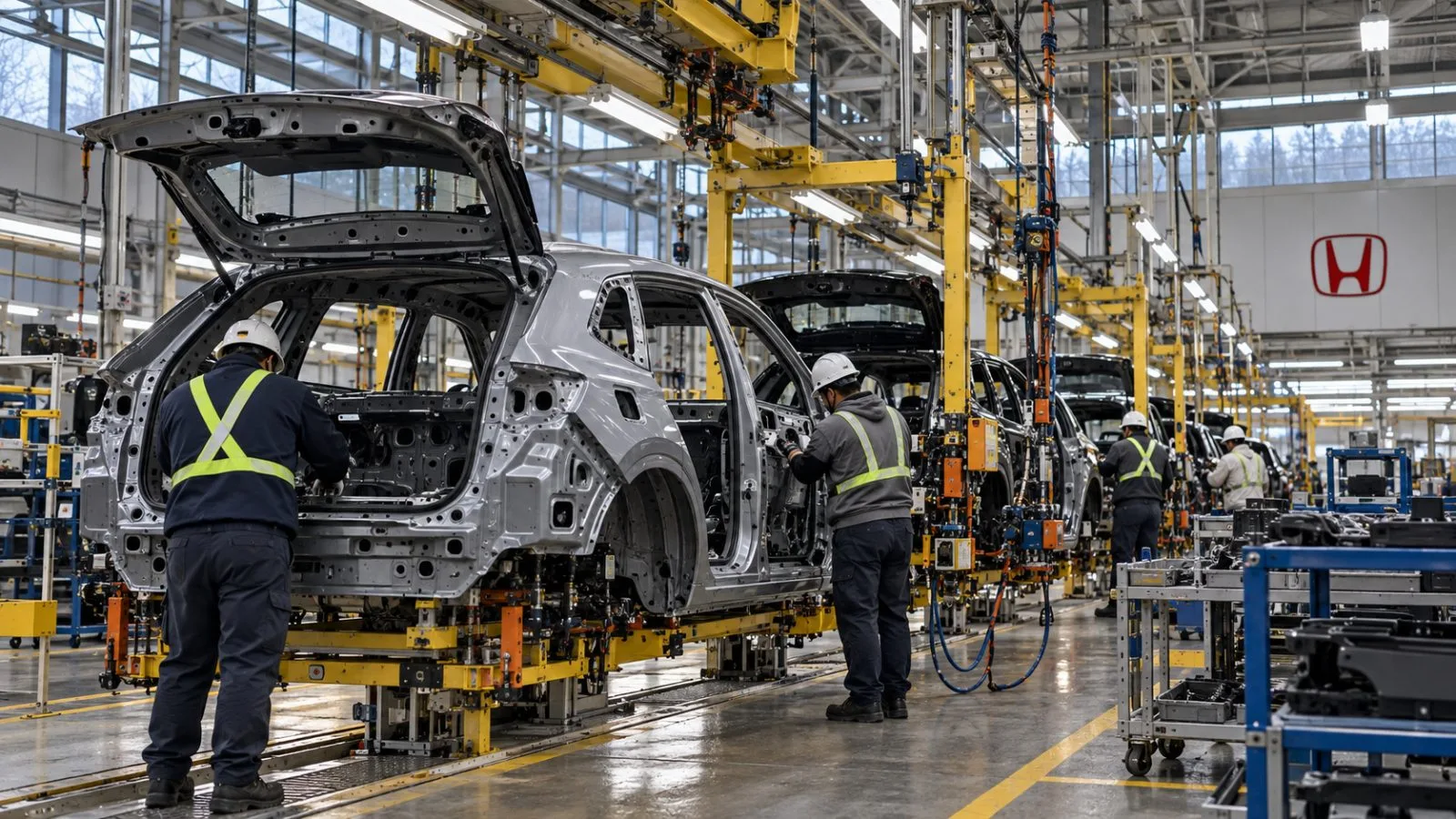
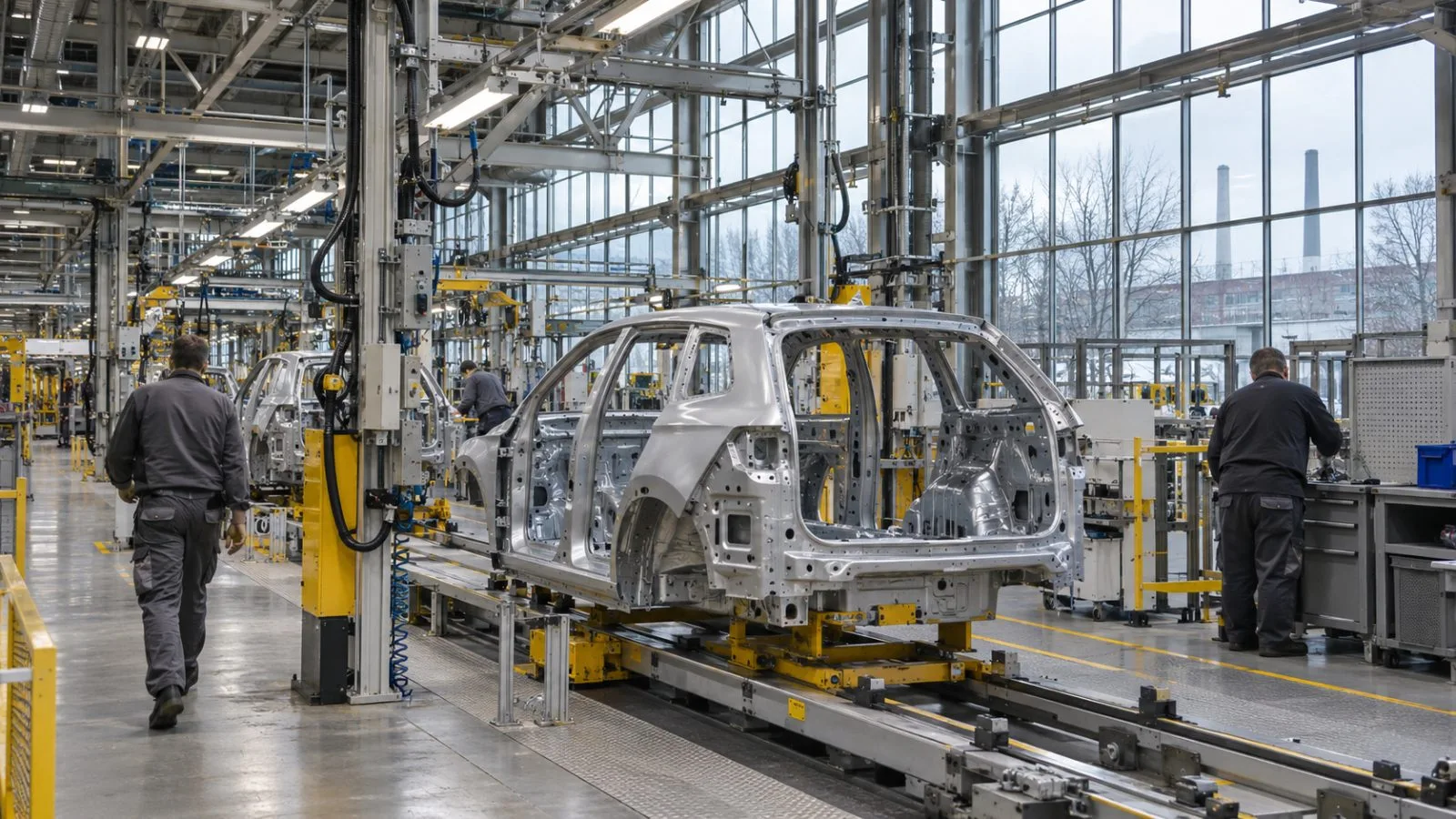
Automotive orders rose 10.5% month on month. Destatis said production changeovers and factory holidays had contributed to lower orders and output in the sector during the two preceding months. Machinery and equipment orders gained 8.3%, helped by an order in engine and turbine manufacturing.
Orders for other transport equipment, including aircraft, ships, trains and military vehicles, fell 10.4%. Domestic orders increased 6.6%, while foreign orders rose 2.8%. Within foreign demand, orders from the euro area were up 4.5%, and those from outside the bloc rose 1.6%.
Dr. Ralph Solveen of Commerzbank Economic Research said the monthly gain excluding large-scale orders could signal firmer momentum. He said stronger orders could support industrial production and Germany’s economic growth in coming months.
The Federal Ministry for Economic Affairs and Energy has cited large public-sector orders and advance ordering linked to the war in the Middle East as reasons order trends are volatile. Separately, provisional figures from Destatis showed Germany’s gross domestic product grew 0.2% in the third quarter from the second. They also showed lower capital formation and slower export growth than in the first half of the year.
Destatis scheduled its September production index for release Nov. 6.