Germany’s young adults are reaching higher levels of education while facing tougher access to secure work and housing, a tension reflected in plans for demonstrations across the country and a new global population report.
The United Nations Population Fund (UNFPA) said in its State of World Population 2026 that 78% of children worldwide complete lower-secondary school, 62% finish upper-secondary education and 44% enter tertiary education. The report describes those as historic highs but says labor markets have not created enough secure, productive jobs for increasingly educated young people.
“Education no longer offers any guarantee of economic security,” UNFPA said.
UNFPA’s survey of 108,926 internet-connected people ages 18–39 across 73 countries found that 70% want to marry and more than 90% want at least one child. Financial security was the most important condition respondents identified for partnership and parenthood. One in five young people globally is outside employment, education or training.
The transition into adulthood is also taking longer. UNFPA said at least half of people ages 25–29 still live with their families. Majorities enter stable relationships at ages 30–34 and become parents at ages 35–39.
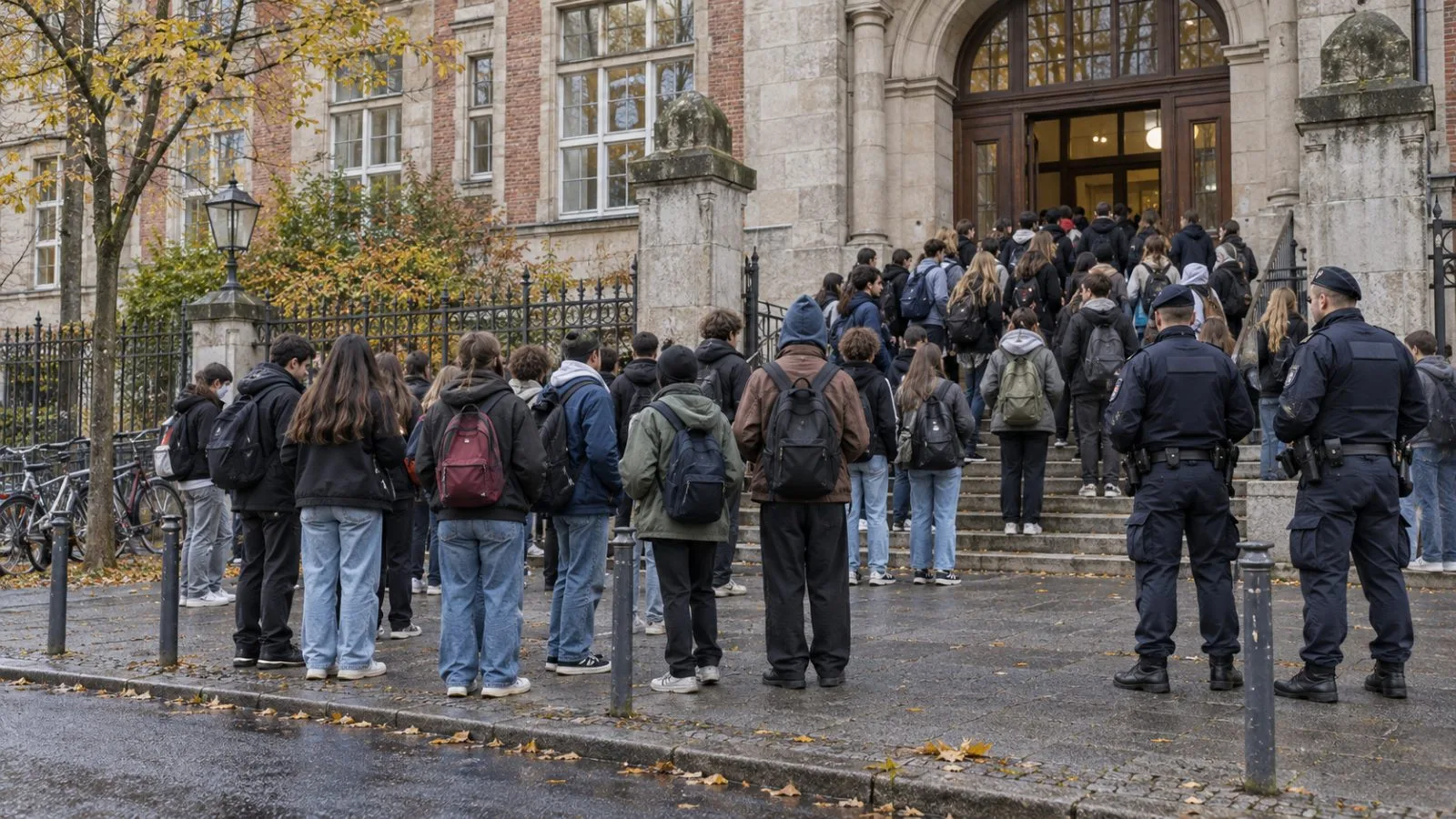
Deutsche Welle reported that young people in Germany are finding it increasingly difficult to secure jobs after university or vocational training and to afford independent housing in major cities. Erik Sczygiol told the broadcaster, “Young people are taking to the streets because they feel they are not being heard.”
The “Gen Z regelt” organizer listed demonstrations in 73 German cities for Nov. 20, 2026. Its stated demands include action on education, health, climate protection, affordable living and military conscription. The listing did not provide independently verified attendance figures.
UNFPA also reported a political gap: people ages 18–30 represent 19% of the world’s population but occupy only 2.8% of parliamentary seats. Fewer than 42% of respondents said governments adequately support young people or families, or that employers provide genuine work-life balance.
For Germany’s young adults, the challenge is whether qualifications can translate into stable employment, independent homes and influence over decisions affecting their future. The global figures suggest that the pressures documented in Germany are part of a wider delay in economic and political independence.