Ghana’s annual inflation accelerated to 5.5% in October as non-food prices rose faster, even as food costs eased and monthly consumer prices dipped, the Ghana Statistical Service (GSS) said in figures reported by BusinessDay.
At 5.5%, the rate was highest in 11 months, after 5.2% in September, and represented a second monthly increase in a row. October’s figure was 2.5 percentage points below the 8% rate in October 2025.
Price changes varied across the country. Ashanti Region posted the highest regional rate at 9.7%, while the Northern Region registered -0.5%, the lowest. Ashanti and Greater Accra together made up 60.2% of inflation, BusinessDay reported.
Locally produced items recorded annual inflation of 6.9% and represented 86.4% of total inflation, compared with 2.4% inflation for imported items, the report said.
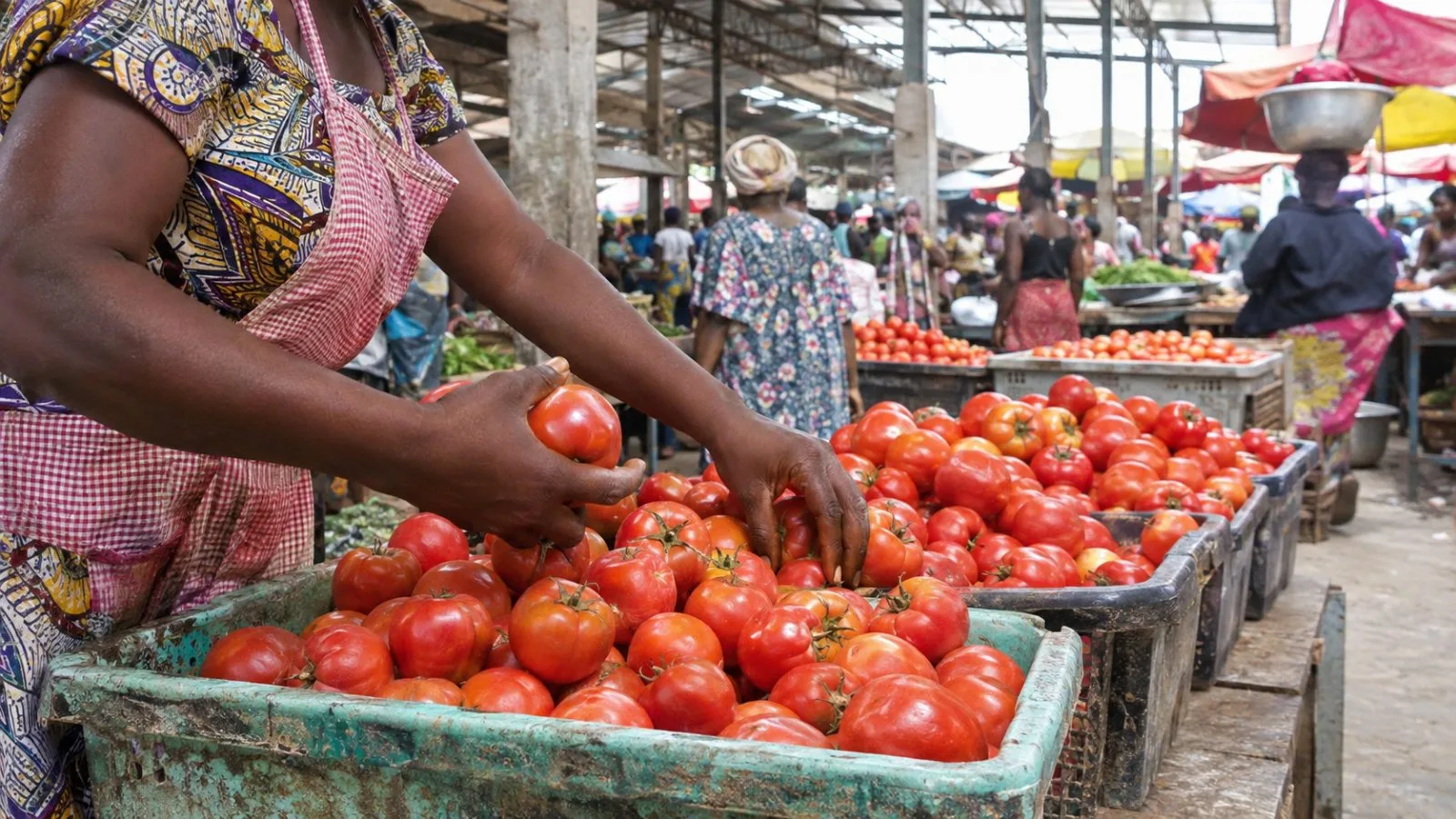
Food’s annual inflation eased to 2.8% in October from 4% a month earlier. Prices for fresh tomatoes were 119.3% higher than a year earlier, while guinea corn and sorghum were down 28%, maize 27.2% and local rice 14.3%.
Annual non-food inflation increased to 7.9% from 6.2%. Services inflation reached 11.5%, up from 8.3% in September; transport prices rose 8% month over month and contributed to the increase in services inflation.
The overall consumer price index (CPI) fell 0.1% from September, after rising 1.1% in the previous month. Food prices decreased 2% over the month. Government Statistician Dr. Alhassan Iddrisu said: “Of every GH¢1 of price rise in October, about 76 pesewas came from non-food and 24 pesewas from food.”
The Bank of Ghana maintained its policy rate at 14%. October’s inflation was below the bank’s 6%-10% target range and its 8% midpoint.