A forecast 0.4% decline in fossil-fuel CO2 in 2026 is not expected to lower the global total, as land-use emissions push projected output to 43.3 billion metric tons, the Global Carbon Budget estimates.
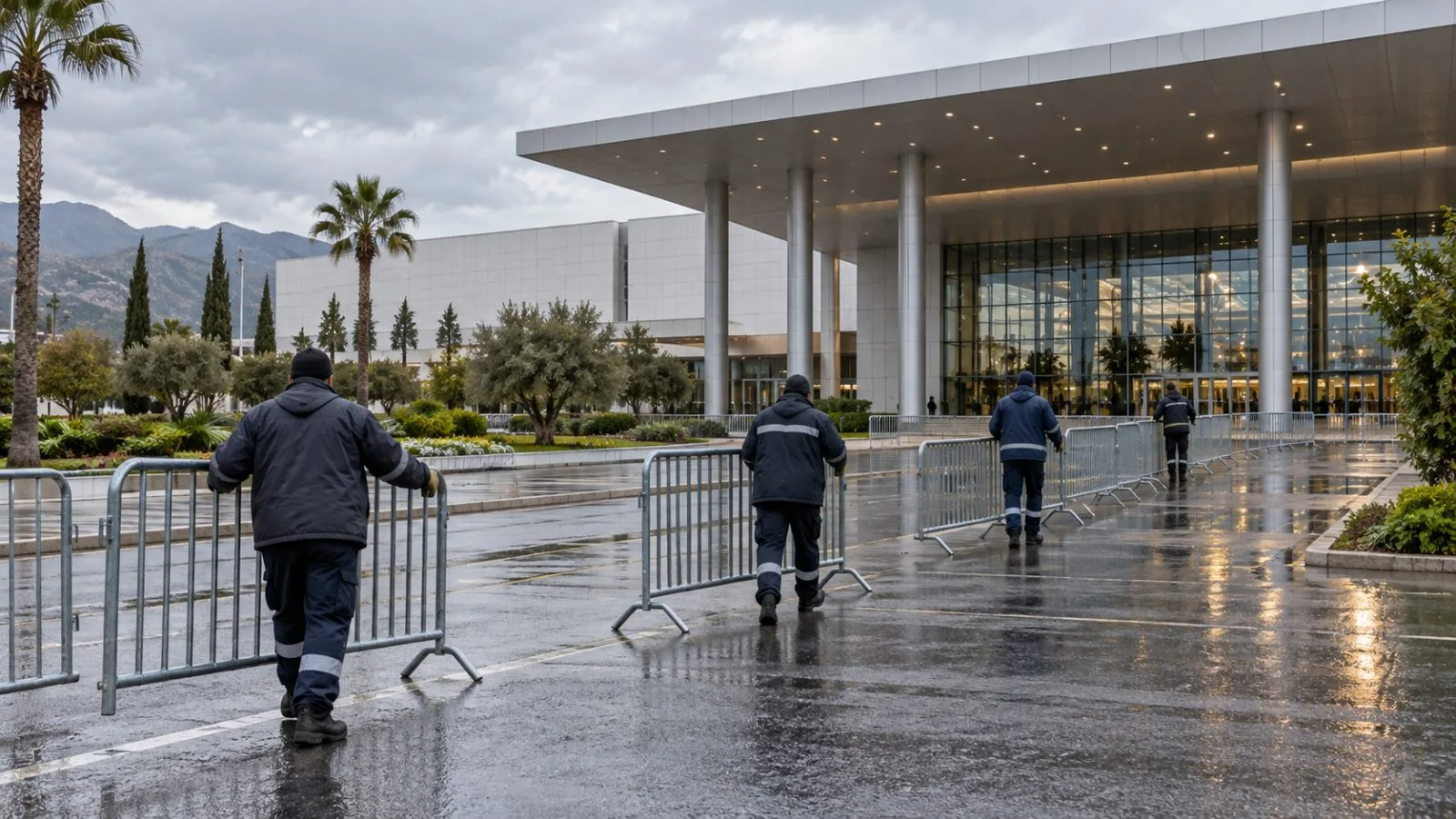
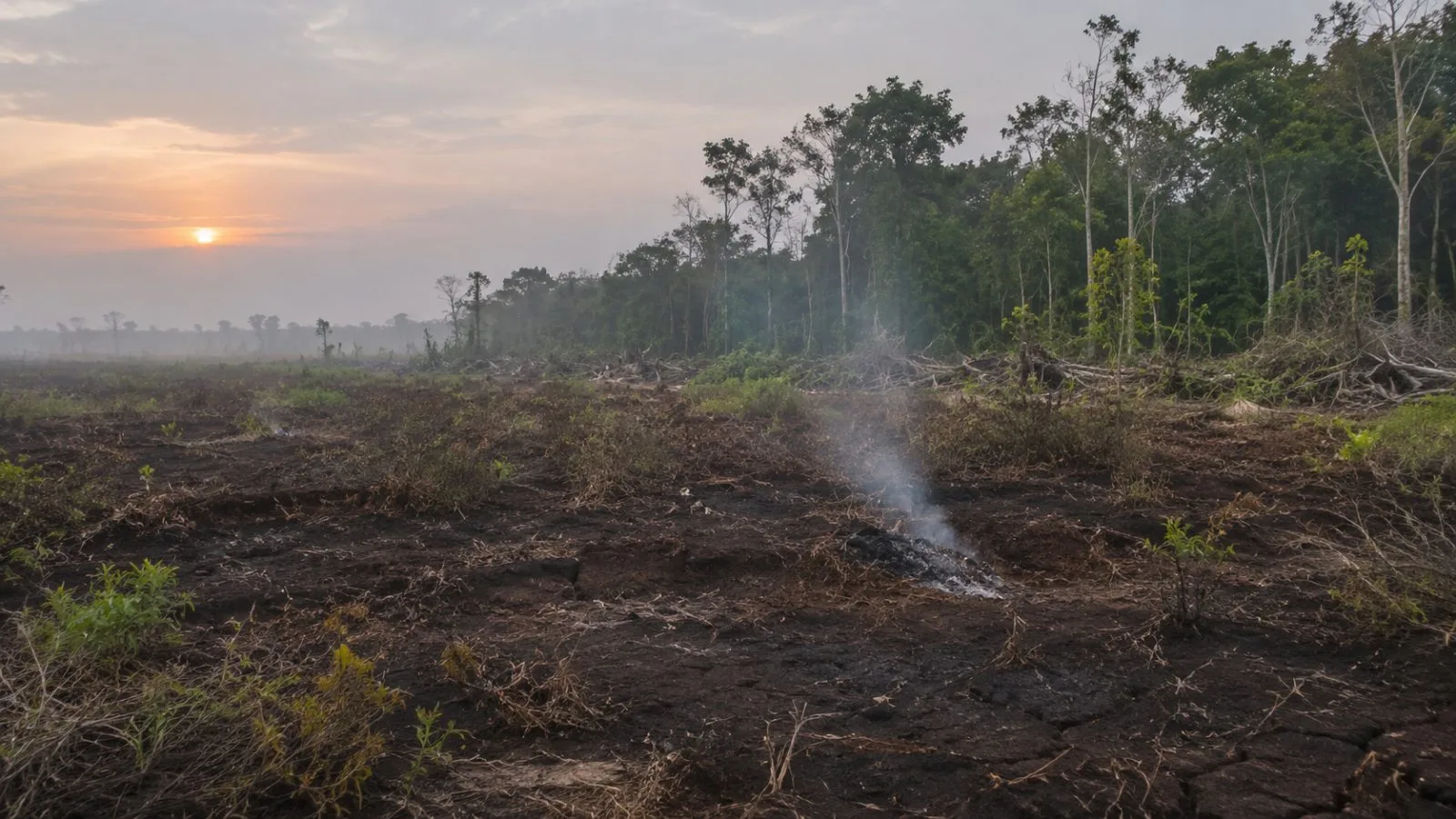
The Global Carbon Budget's estimate for 2025 is 42.8 billion metric tons of total CO2. For 2026, it projects 43.3 billion metric tons once emissions tied to land-use change are counted. Peat fires and forest degradation in Southeast Asia contribute to the rise, amid drier conditions linked to a strong El Niño, the report says. The findings come as delegates meet at COP31 in Antalya, where electrification and fossil-fuel policy remain under debate.
Fossil-fuel CO2 alone is forecast at 38.2 billion metric tons, 0.4% below the 2025 level. The estimates appear in a study published in Earth System Science Data. If the decline materializes, 2026 would be the first year with an annual reduction since 2020, when the COVID-19 pandemic disrupted commerce, transport and economic activity. The report says fossil-fuel emissions reached a record in 2025 after growing at an average annual rate of 0.9% over the previous decade.
Researchers partly attribute the decline to reduced oil use during the Iran war and the closure of the Strait of Hormuz, which sent crude prices sharply higher. New solar and wind capacity, together with greater electric-vehicle use, met roughly two-thirds of the world's added energy needs, according to the report. It projects gas-related CO2 emissions will fall 0.3%, while coal emissions rise 0.6%.
Global Carbon Budget Office director Pierre Friedlingstein, who led the study, welcomed the decline but said a geopolitical shock does not offer a durable climate strategy. He argued that clean technologies must spread more quickly. Corinne Le Quere, a professor of climate change science at the University of East Anglia, cited earlier emissions recoveries after the COVID-19 shock and the global financial crisis. Speaking at a media briefing, she said emissions could climb again once oil-market tensions subside.
The study puts the remaining allowance for limiting warming to 1.5 degrees Celsius above preindustrial levels at 150 billion metric tons. At the current rate, researchers estimate, that amount would be exhausted in under four years.