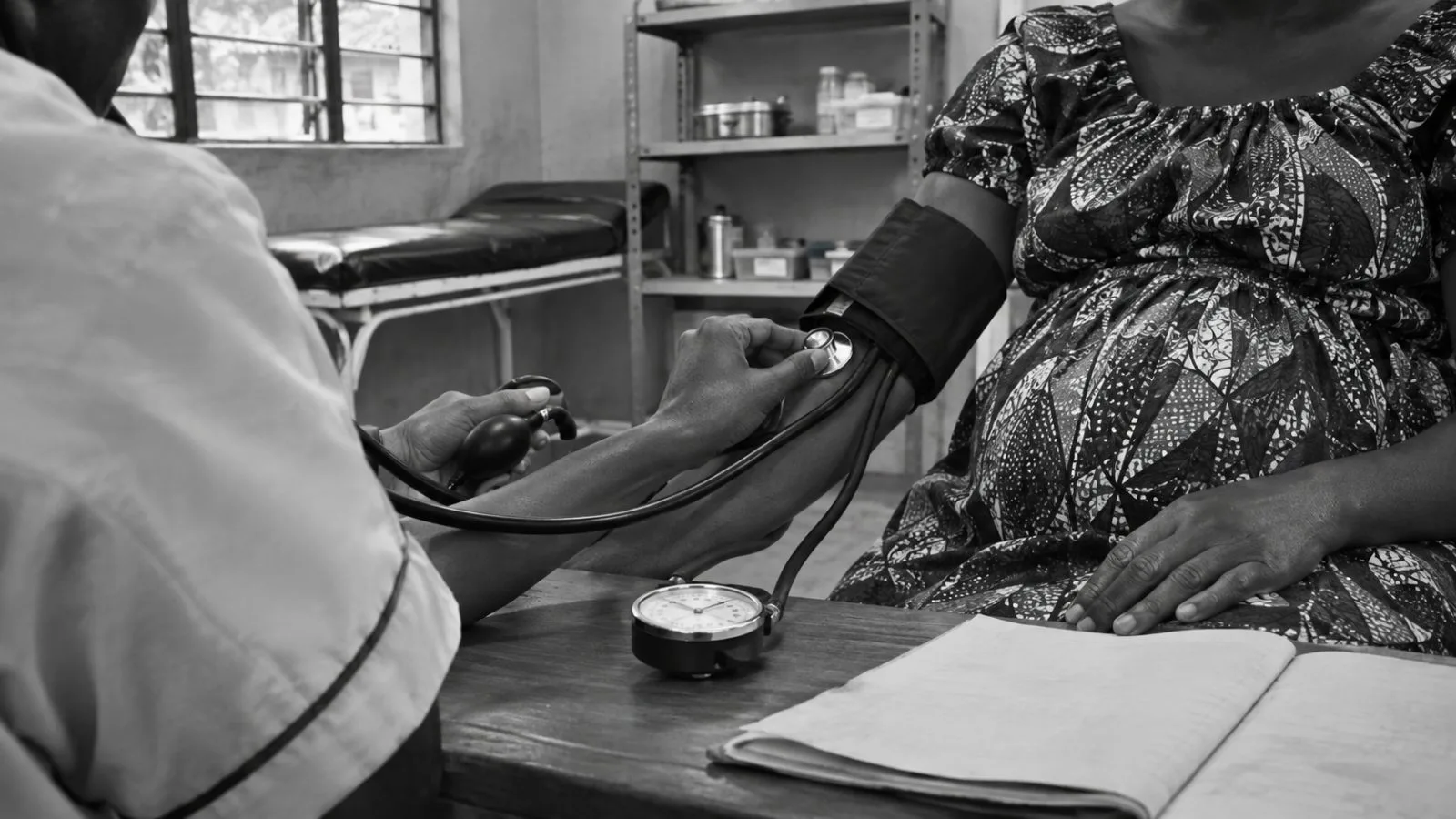
BusinessDay reported a $2.5 million Google.org grant for Helium Health’s planned AI rollout in Nigerian maternal care, an effort aimed at extending risk screening through primary-care services.
The program is intended to reach 1.9 million additional pregnant women over three years, BusinessDay reported. Helium Health was the only Nigerian organization in a group of 15 selected for Google.org’s $30 million challenge on AI in government, BusinessDay reported. The challenge backs efforts to apply AI to public services through government partnerships, and Google is to provide recipients with engineering and product expertise in an accelerator.
HeliumMum is the project’s maternal-care program. BusinessDay said the planned system would put clinical AI into primary-care facilities, where community health workers could use it to flag pregnancy complications and guide decisions about treatment and referrals. Providers participating in the effort are expected to pair digital patient records with software that supports clinical decisions. The report also described data tools intended to help governments identify gaps in maternal services and decide where to direct resources.
The rollout is scheduled to start in Lagos before reaching Delta, Kano and Oyo, according to BusinessDay. The outlet said Google and Helium Health executives presented the rollout plan to Lagos Gov. Babajide Sanwo-Olu during a meeting at Lagos House, Marina.
Helium Health CEO Dimeji Sofowora told BusinessDay the award would extend the company’s maternal-health work, which has reached more than 3.5 million women. Shona Oluwatola, the company’s head of public health, said early identification of pregnancy risks would be central to the three-year effort. BusinessDay reported the deployment aims to contribute to a 30% reduction in maternal deaths.
BusinessDay reported Nigeria accounts for nearly 30% of maternal deaths worldwide. It also cited workforce shortages, inadequate infrastructure, limited access to essential services and slow recognition of pregnancy complications as constraints on primary care. The outlet said results will depend on whether public clinics can fit the tools into existing practice and whether frontline staff use them regularly.