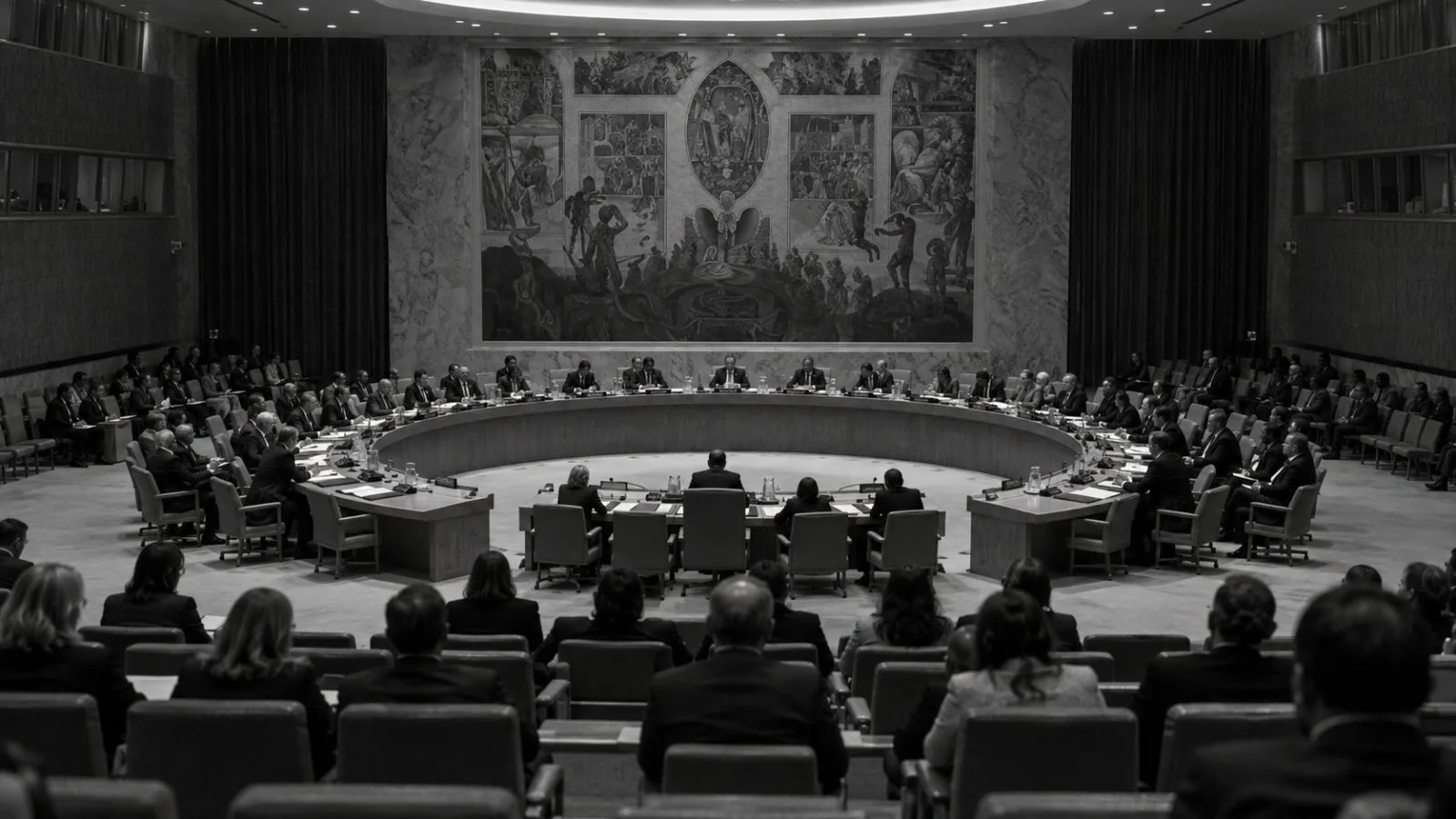
Former Costa Rican vice president Rebeca Grynspan Mayufis received the strongest backing yet in the U.N. Security Council’s secretary-general contest, with 12 favorable votes in Thursday’s informal poll, Reuters reported, citing people close to the process.
Three of the council’s 15 members voted against her. The confidential ballot did not identify the individual positions of China, France, Russia, Britain and the United States, the five permanent members.
Across the eight informal rounds held in recent months, no earlier count gave Grynspan as many favorable votes, Reuters said. She gained one vote from the previous poll. Argentina’s Rafael Grossi, director general of the U.N. nuclear watchdog, placed second with nine “encourage” votes. Guyana’s U.N. ambassador Carolyn Rodrigues-Birkett came third with eight votes in favor.
United Arab Emirates diplomat Lana Nusseibeh again ranked fourth, with seven votes in her favor, six against and two marked “no opinion.” Her tally was unchanged from the previous week. Grynspan had narrowly led six of the seven earlier polls, while Rodrigues-Birkett topped the August round, Reuters reported.
The U.N. Charter gives the Security Council the role of recommending a secretary-general for appointment by the General Assembly. A formal recommendation requires at least nine affirmative votes and no veto by a permanent member.
The council’s selection of U.N. Secretary-General Antonio Guterres in 2016 followed six informal polls, Reuters reported. A regional convention points to Latin America as next in line, but rotation is not a formal selection rule, as earlier EconoTimes coverage of the regional custom explains.
Reuters reported that the next secretary-general will face several wars and lower U.S. contributions to the U.N., alongside concerns about the organization’s political standing. Washington has withdrawn from dozens of U.N. agencies, the report said. The council is expected to hold a formal vote when one candidate appears likely to prevail, Reuters reported.