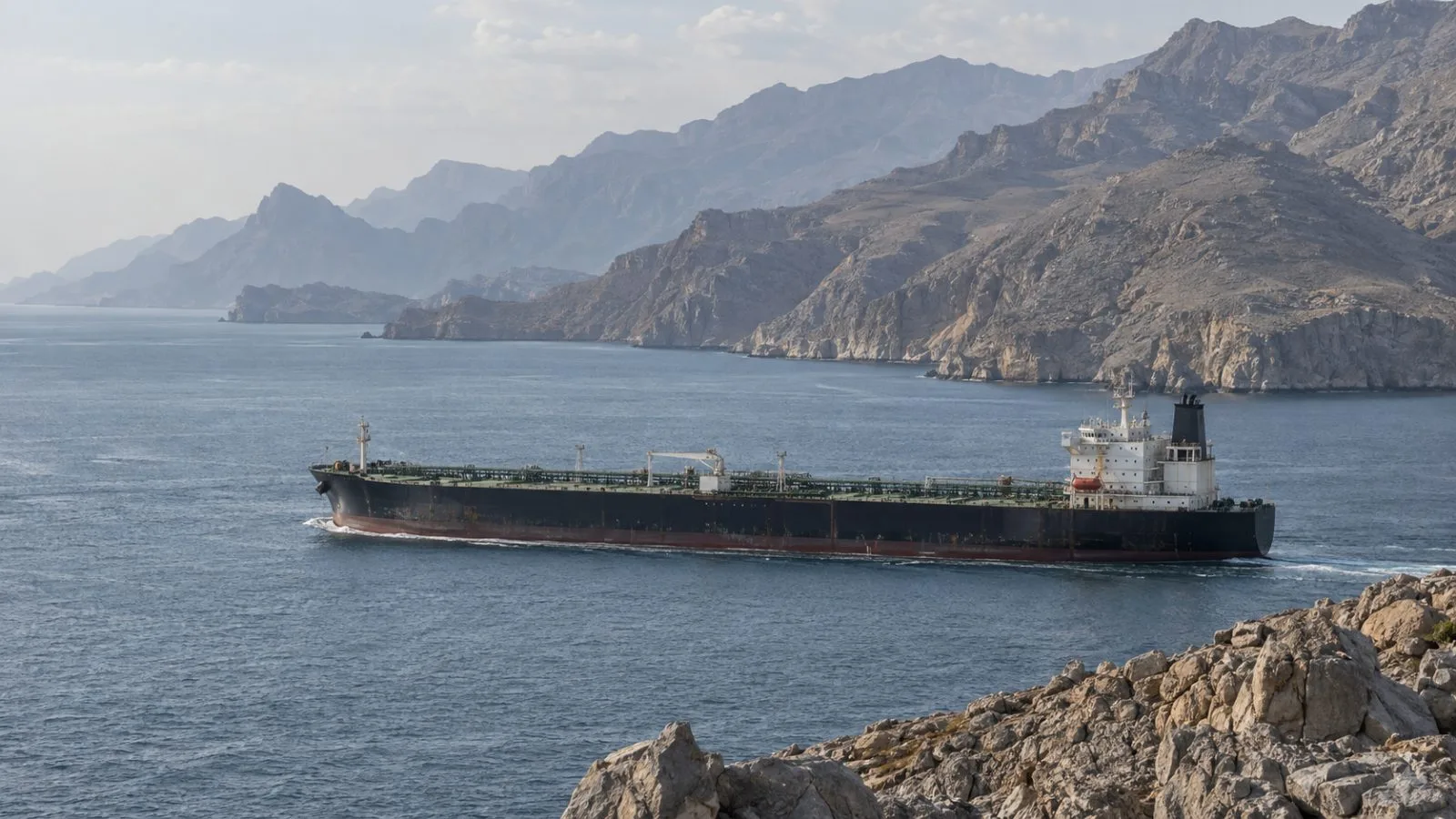
Gulf crude exports climbed above three-quarters of pre-war levels in September, but shipping crude to Asia cost more than $37 a barrel by mid-October, the International Energy Agency (IEA) said.
The IEA reported that Gulf producers increased crude exports by 4.4 million barrels per day to 13.9 million in September. In an Oct. 21 commentary, it put the mid-October cost of a large-tanker voyage from the Middle East Gulf to Asia above $37 a barrel, more than five times the pre-war cost.
The agency linked the higher rates to delays around the Strait of Hormuz, longer or redirected voyages and cargo transfers between ships at sea. Those conditions kept vessels occupied and reduced the tankers available for hire, it said. Importers faced higher bills, while exporters came under pressure to accept lower prices. The September rise in delivered-crude costs also left Asian refiners processing Middle Eastern oil with negative margins, according to the IEA.
The recovery in crude shipments has outpaced refined fuels. Middle Eastern refined-product shipments were 1.9 million barrels per day in September, versus 4.7 million before the war. At the end of September, global observed oil inventories were 509 million barrels below pre-war levels; the IEA forecast market deficits through year-end. The agency compared the shipping strain with disruptions that followed Russia’s full-scale invasion of Ukraine.
In an Oct. 21 essay, Robin J. Brooks, a senior fellow in Economic Studies at the Brookings Institution, argued that oil-risk discussions can blur distinct market measures and said Gulf exports were nearing pre-war levels. S&P Global distinguishes Dated Brent, a physical-crude assessment, from Brent futures, which are financially settled contracts. The IEA’s Oct. 14 report said Brent futures had risen 13% since the start of September to about $107 a barrel, while North Sea Dated was around $134 when the report was written.
TankerTrackers.com’s public feed listed combined crude exports for Iran, Iraq, Kuwait, Qatar, Saudi Arabia, the UAE and Oman at 17.273 million barrels per day in October, up from 14.652 million in September. The feed does not state the October coverage dates, and its country grouping differs from the IEA’s, so the figures are not a direct comparison.
The IEA’s next Oil Market Report is scheduled for Nov. 13, 2026, at 4 a.m. ET (10 a.m. Paris time).