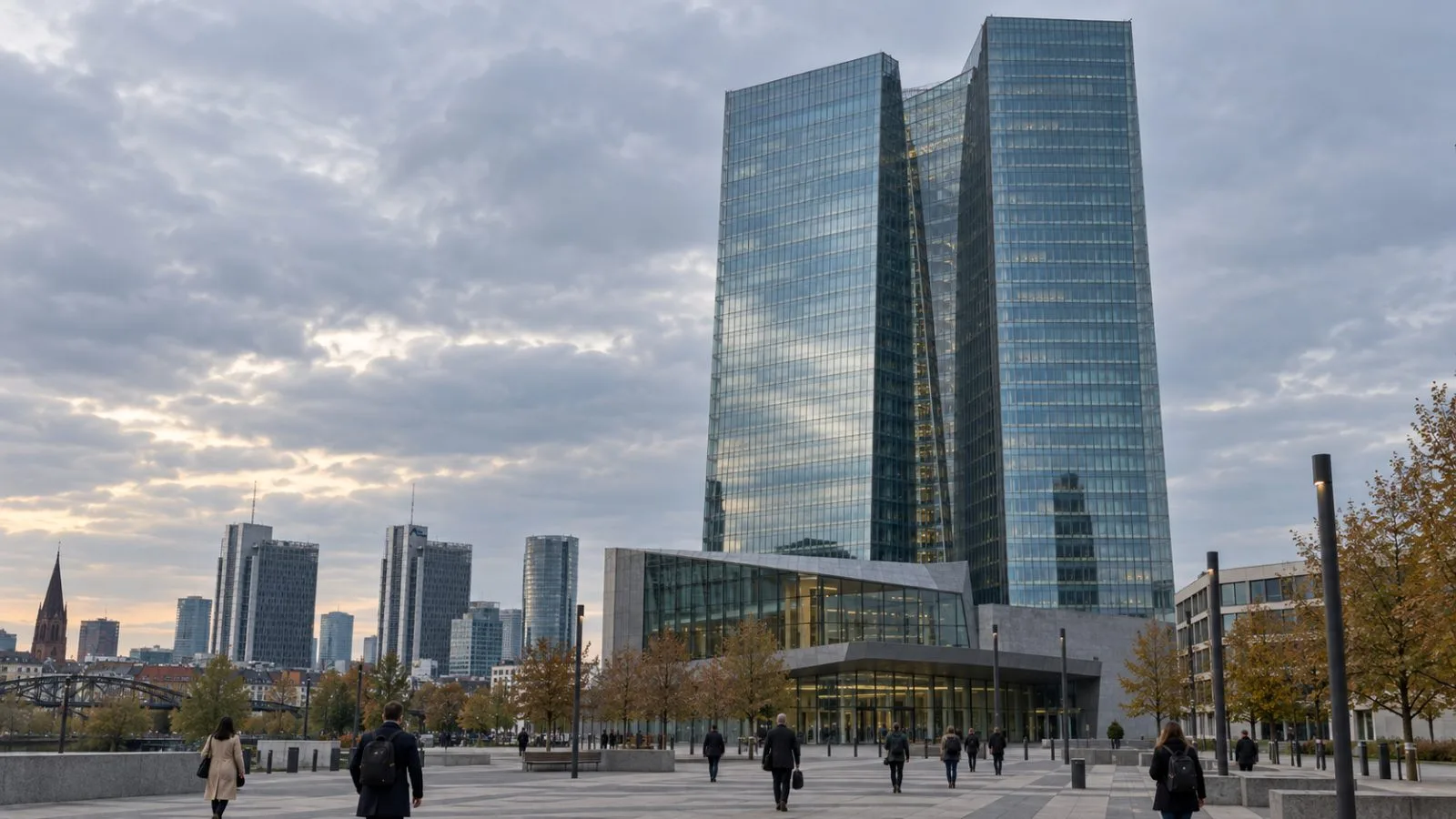
In a major shift to accommodate flexible work arrangements, HSBC Bank plans to relocate its headquarters from the iconic 45-story Canary Wharf Tower in East London to the still-under-construction Panorama St Paul's, near St Paul's Cathedral, in the City of London. The move aligns with HSBC's plan to downsize, reflecting a post-COVID-19 trend of reduced office spaces.
It was reported that HSBC is looking to move out of the 45-story tower within four years and will set up a new office at the Panorama St Paul's, which is still under construction but scheduled to be completed in early 2025. The decision was made as its lease at the Canary Wharf Tower is about to expire in 2027.
As per BBC News, the financial services company is leaving the building after two decades of doing business there. Moreover, the move is also part of the plans to downsize and operate in a smaller office space as HSBC has now adopted a flexible working arrangement which means some employees are working from home or remotely.
The bank reportedly told BBC News that it is working out a new lease deal for an office that was formerly occupied by the BT Group telecommunications company and had served as its headquarters too. The telecom firm vacated the space just two years ago, and it is located close to St Paul Cathedral at 81 Newgate Street.
It was mentioned that this proposed office in the Panorama St Paul's development area is many times smaller than the Canary Wharf office, which used to have around 8,000 employees. The company first moved to this place in 2002 after leaving Poultry.
The bank said the new development "is being designed to promote wellbeing and constructed to best-in-class sustainability standards, using predominantly repurposed materials." HSBC added that this "move further solidifies the City's reputation as a prime destination for financial services firms, offering them unparalleled opportunities."
The Evening Standard noted that many companies are not renewing their leases at Canary Wharf as well. Like HSBC, most of them opted to leave as they shift to flexible working patterns, which they adopted at the height of the COVID-19 pandemic. Thus big workplaces are no longer needed.
Photo by: Erik Mclean/Unsplash