Rising crude prices are boosting Nigeria’s export earnings and public revenue, but dearer fuel and seasonal food costs are slowing inflation relief for households, the World Bank said.
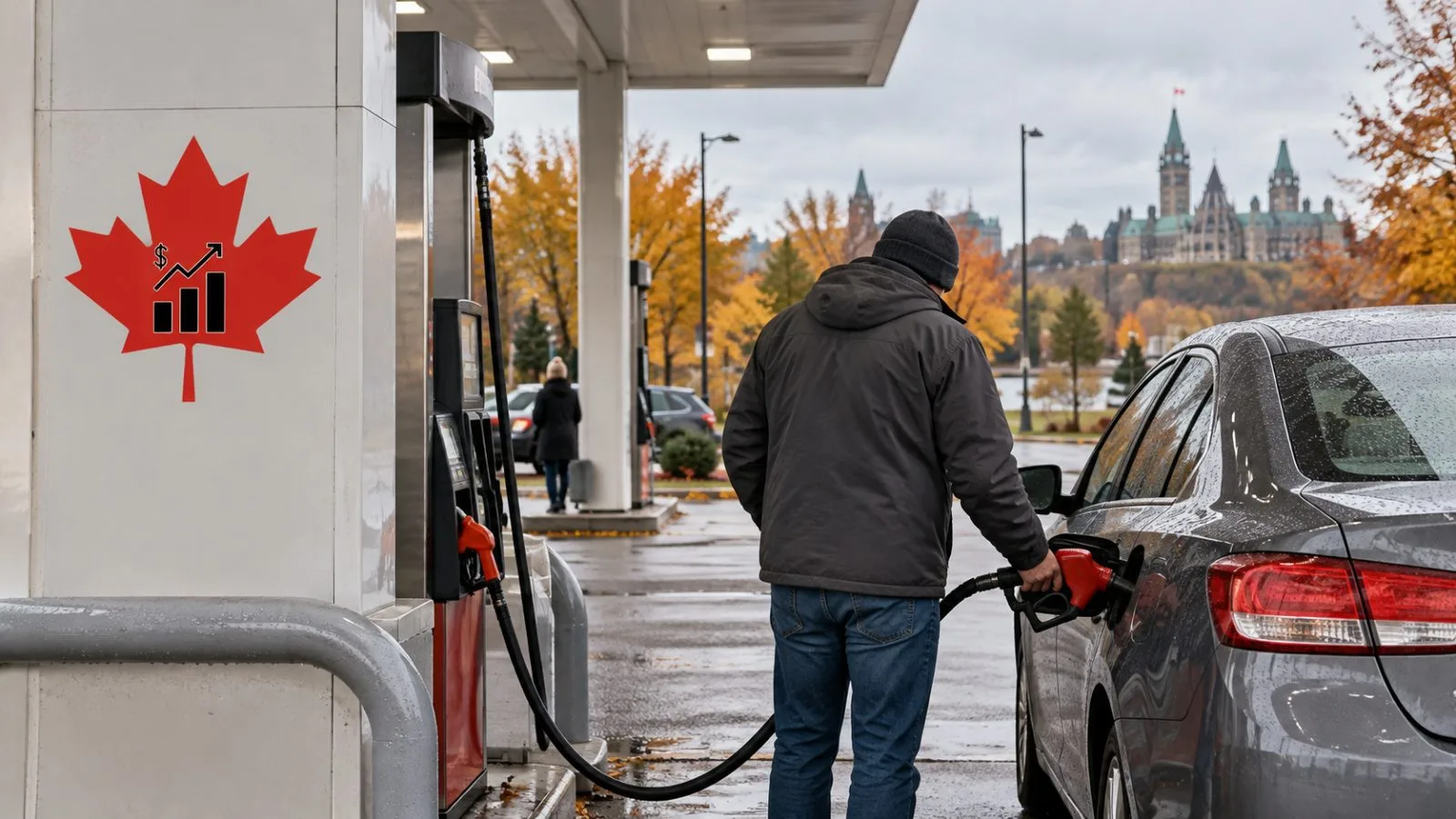
The U.S. Energy Information Administration (EIA) recorded Brent spot crude at $115.22 a barrel on Oct. 20, down from $119.33 on Oct. 16. The agency linked a September rise in oil prices to attacks on Middle Eastern oil infrastructure and tankers.
Nigeria posted a $12 billion current-account surplus in the first half of 2026, compared with $8.6 billion a year earlier. The World Bank attributed part of the improvement to higher oil prices. It said oil sold in advance and financing secured against oil revenue have limited how much of the price gain reaches the government.
Production is another constraint. The Nigerian Upstream Petroleum Regulatory Commission (NUPRC) measured crude output, excluding condensate, at 1,500,190 barrels a day in August. President Bola Ahmed Tinubu’s December 2025 budget proposal assumed 1.84 million barrels a day and an oil price of $64.85 a barrel. The enacted 2026 budget provides for ₦68.32 trillion in spending, including ₦15.8 trillion for debt service.
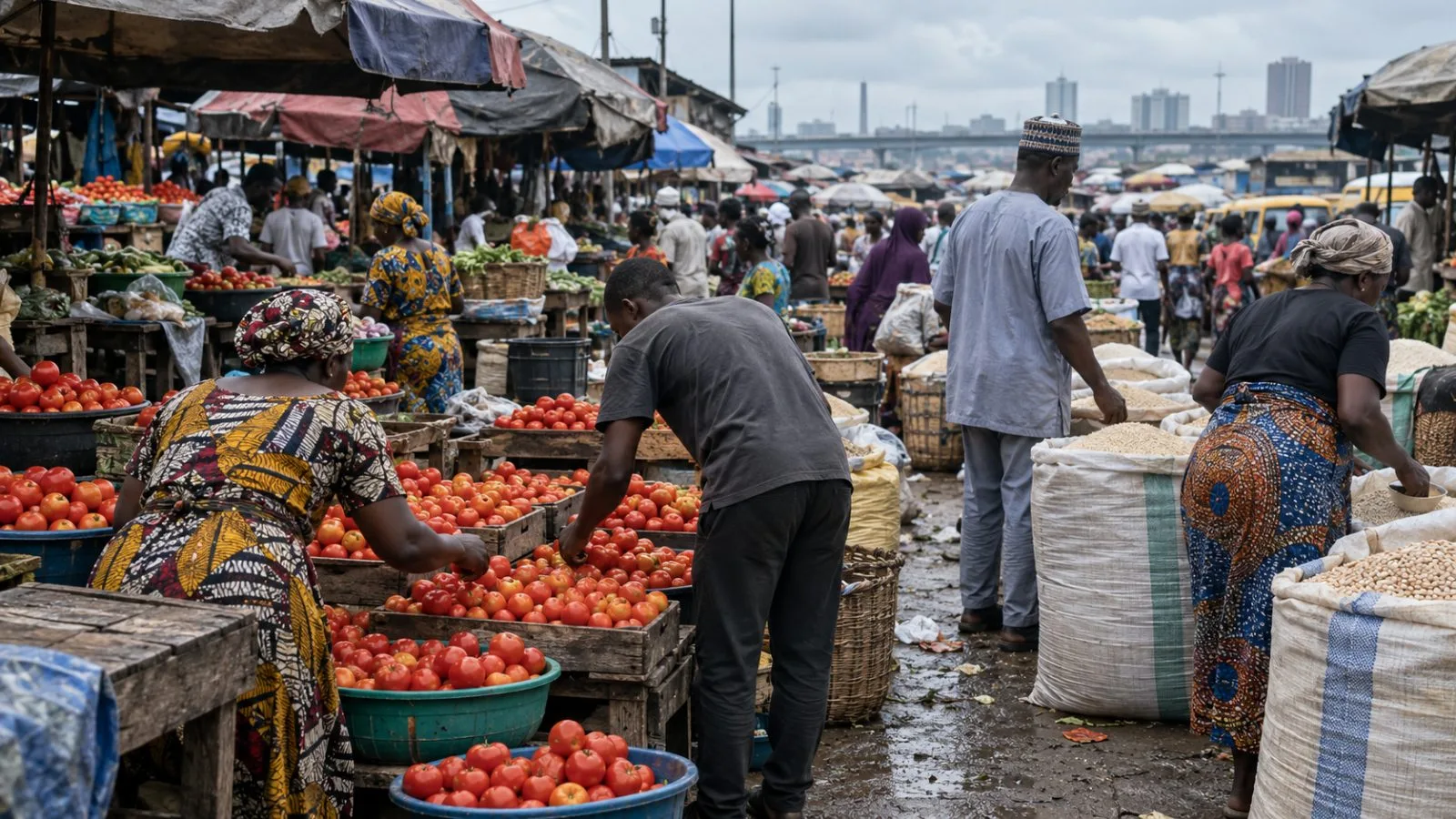
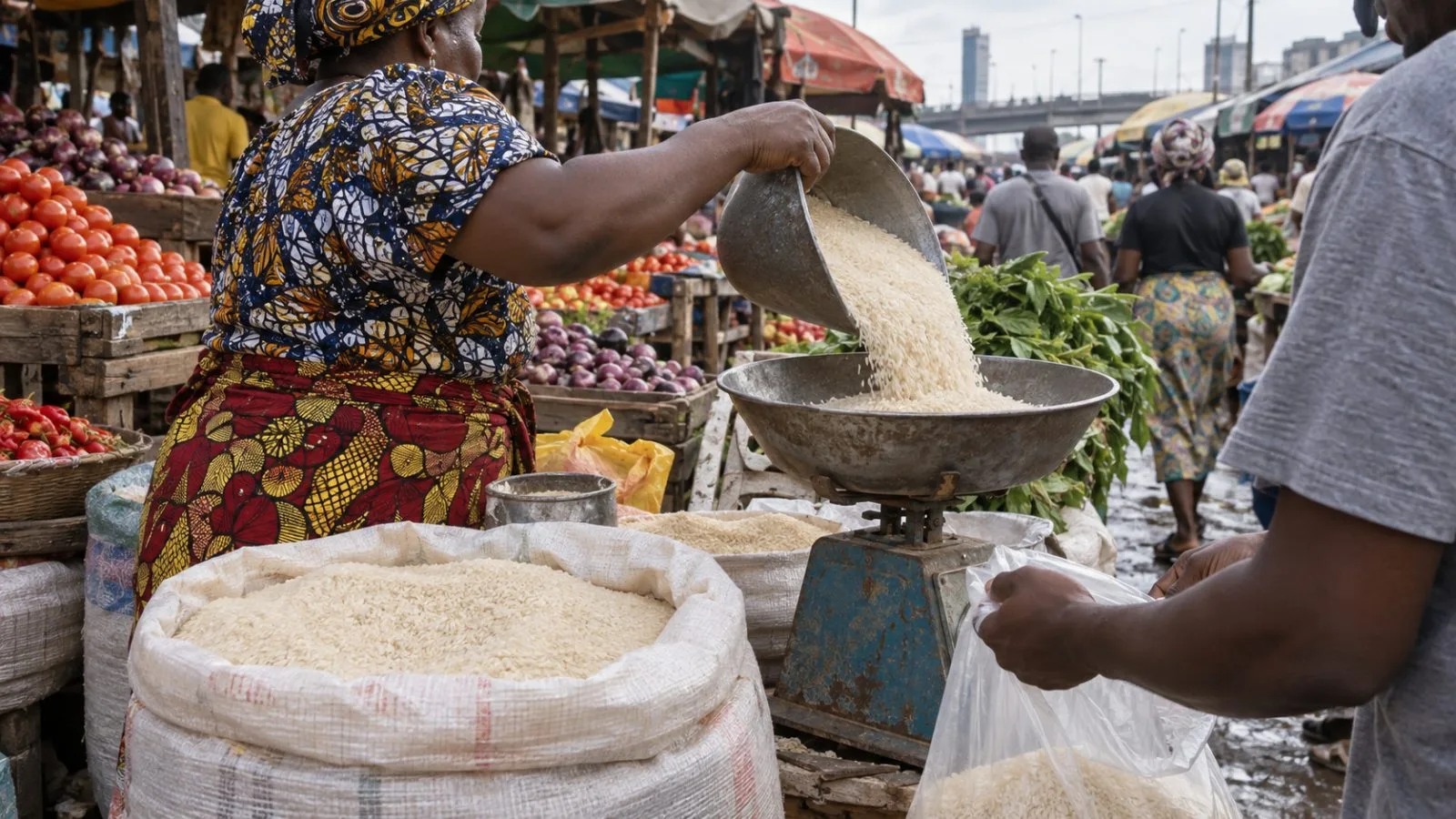
The National Bureau of Statistics (NBS) reported annual inflation of 14.63% in September, with food inflation at 19.59%. The World Bank said higher fuel costs and seasonal pressure on food prices temporarily slowed the easing of inflation. It said inflation continued to reduce households’ purchasing power.
State finances show a separate, longer-running increase in public resources. State revenues rose about 93% in real terms from 2023 to 2025, the World Bank said. It cited federal refunds, settlement of obligations, intervention funds and stronger value-added tax collections among the reasons. Over that period, capital spending grew from 46% to 61% of states’ total expenditure. Mathew Verghis, the World Bank’s country director for Nigeria, said more efficient spending, accountability and better service delivery were needed to translate public resources into improvements for residents.
In a Premium Times opinion column, accounting and finance academic Posi Olatubosun drew on earlier oil booms to argue for saving part of the current gain, reducing debt and directing spending toward infrastructure and vulnerable households.
The EIA is scheduled to release its next Short-Term Energy Outlook on Nov. 10.