Former White House adviser Amos Hochstein urged Washington to negotiate an end to the Iran war, warning that an inconclusive outcome could leave Gulf allies facing long-term danger, The National reported Monday.
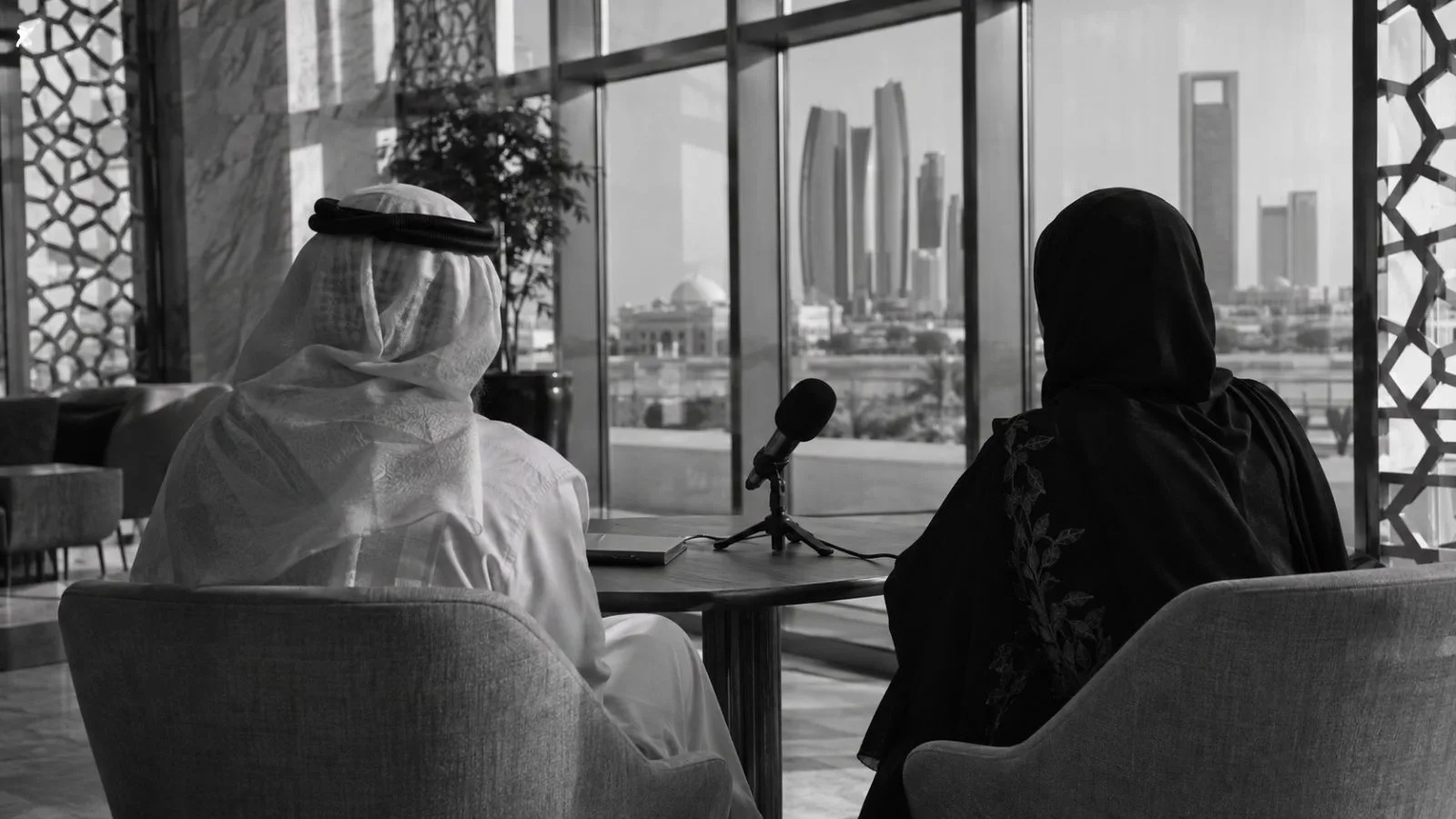
The National reported that Hochstein spoke with Hadley Gamble in Abu Dhabi on Sunday. He said he opposed the current war because its objective was unclear to him, despite having supported President Donald Trump’s June 2025 strikes on Iran’s nuclear facilities.
Hochstein warned that a conflict ending without a clear victory or negotiated settlement could leave Iran’s regime weakened but resentful. “You’re left with a regime that is weakened but angry, vengeful, and one that has a long memory,” he said.
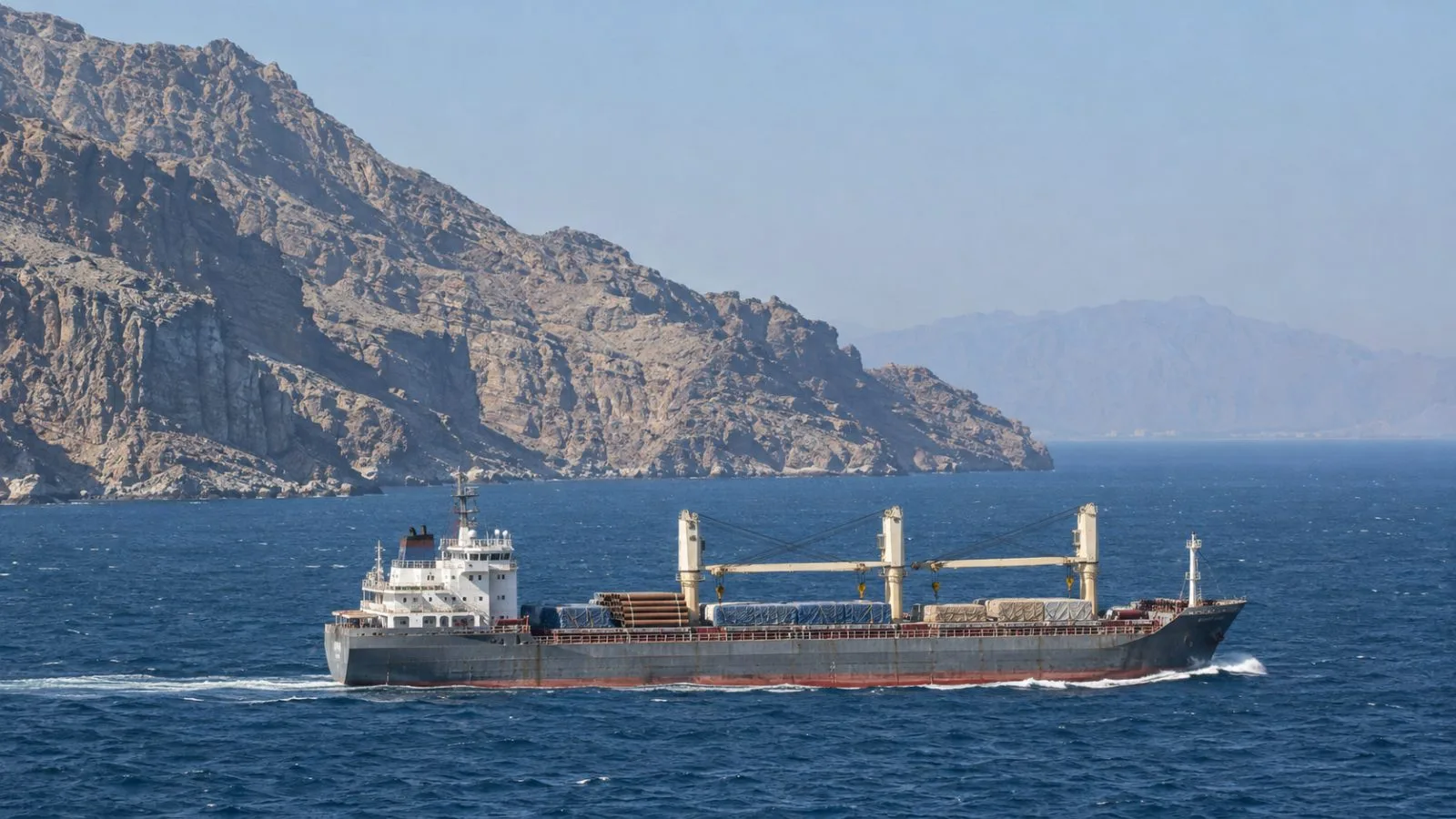
Hochstein said Americans bear costs through fuel prices and military spending to keep the Strait of Hormuz open. He described military spending as in the billions but gave no total or time period, The National reported. His remarks tied the costs he described for Americans to the security risks he sees for Gulf allies.
The U.S. Department of Defense (DOD) says U.S. Central Command began Operation Epic Fury against Iran on Feb. 28, 2026, at Trump’s direction.
Hochstein also criticized what he considered Washington’s muted response to Houthi attacks on Saudi Arabia. The UAE Ministry of Foreign Affairs said Houthi attacks on King Khalid International Airport in Riyadh killed 12 people and injured hundreds of civilians.
The Associated Press reported that Trump was considering whether the United States should join Saudi strikes against the Houthis. The news agency also reported that Secretary of State Marco Rubio condemned the airport attack.
Separately, Omani Foreign Minister Sayyid Badr Albusaidi said a nonaggression pact among Gulf states, Iran and Iraq should be the goal of a regional security framework. The proposed group includes the six Gulf Cooperation Council members—Bahrain, Kuwait, Oman, Qatar, Saudi Arabia and the United Arab Emirates—plus Iran and Iraq.