Yemen's Iran-backed Houthi militants targeted Saudi oil facilities along the Red Sea on Saturday, escalating regional tensions even as the United States paused its military strikes on Iran for the first time in nearly two weeks.
The attacks came after Washington halted a 13-night campaign of airstrikes launched in response to Iranian actions against commercial shipping in the Strait of Hormuz. While the U.S. provided no immediate explanation for the pause, Axios reported that President Donald Trump ordered the military to suspend new strikes on Friday. A senior U.S. official told Reuters that Trump continues to prefer diplomacy but remains prepared to act if Iran refuses meaningful negotiations.
Iran also appeared to refrain from launching attacks on neighboring Gulf states, marking a temporary break in the recent cycle of retaliation. Iran's Health Ministry spokesperson Hossein Kermanpour remarked on social media that the country had experienced a "peaceful night."
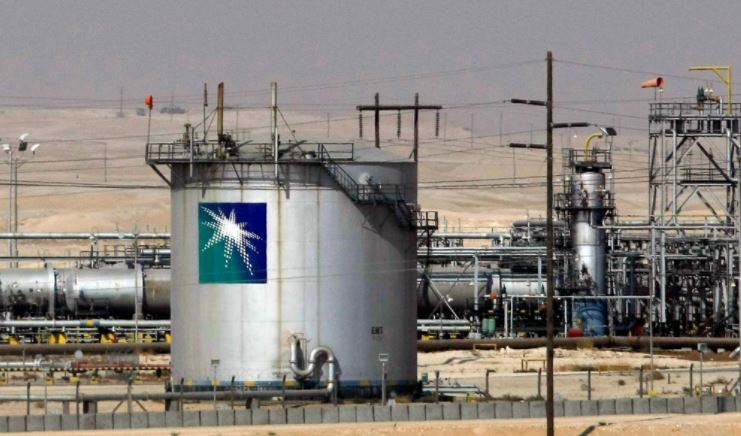
Despite the lull between Washington and Tehran, the conflict expanded elsewhere. Houthi military spokesperson Yahya Saree claimed the group successfully struck Saudi Aramco facilities in Jizan and Yanbu. Reuters verified footage showing heavy smoke rising near the Aramco refinery in Jizan, while Asian trading sources said fuel and oil storage facilities may have suffered damage.
In Yanbu, Greek security sources said Saudi-operated Patriot missile defense systems intercepted two Houthi ballistic missiles aimed at critical oil infrastructure. Yanbu serves as Saudi Arabia's primary Red Sea export terminal, transporting millions of barrels of crude daily and providing an alternative to the Strait of Hormuz. Jizan is home to a refinery capable of processing 400,000 barrels of oil per day.
Saudi-backed Yemeni government forces responded by striking Houthi missile launch sites and weapons depots in Marib and al-Jawf provinces, while the Saudi-led coalition also carried out airstrikes on Houthi positions in the Red Sea port of Hodeidah.
The renewed fighting threatens to reignite Yemen's civil war, which had largely remained under a ceasefire since 2022. Houthi leader Abdul Malik al-Houthi recently warned that all Saudi oil facilities could become targets, while the group declared a naval blockade against Saudi Arabia.
The growing risk to key energy infrastructure has fueled market concerns, with Brent crude climbing above $100 per barrel this week as investors monitor the expanding Middle East conflict.