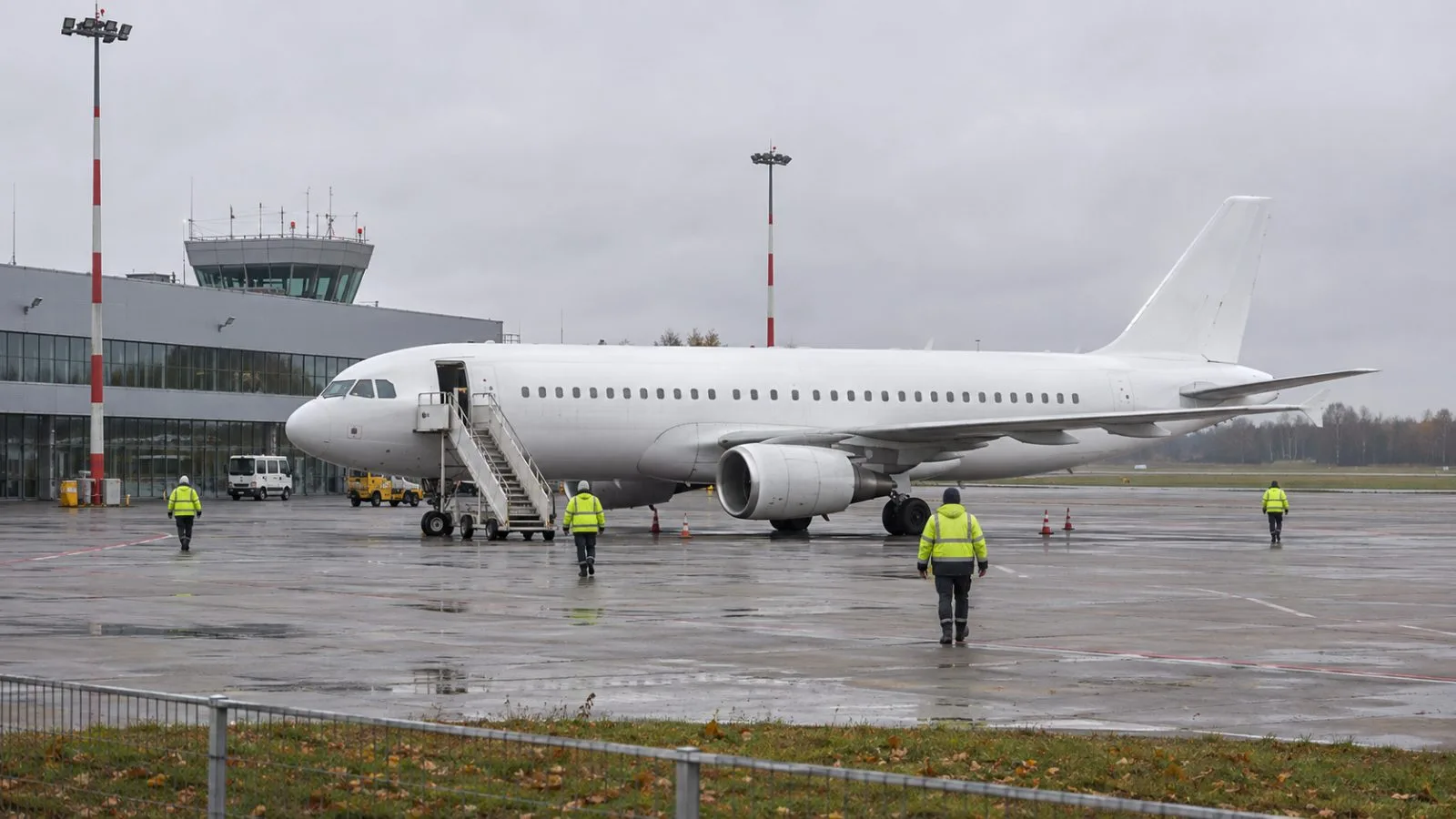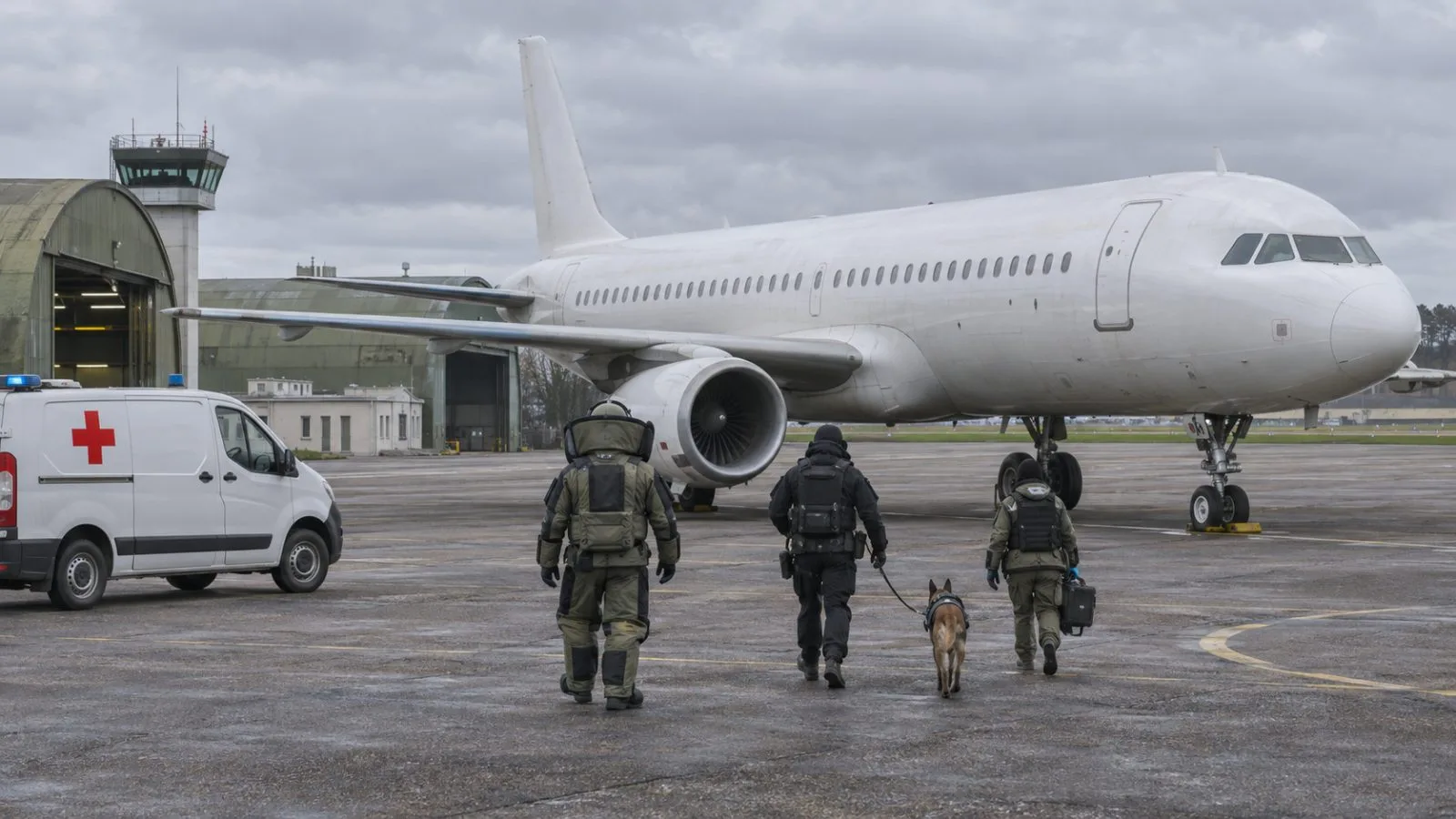
European airlines assess bomb threats before alerting pilots, a process that can lead to costly diversions and aircraft searches during a wave of alerts across Europe, the Associated Press reported.
Joji Waites, the British Airline Pilots’ Association’s director of flight safety, policy and regulation, told the AP that assessors rate each threat before deciding whether to notify the crew. If a threat is judged credible, the crew is alerted and the captain chooses a response using a safety checklist. A plane still on the ground may be evacuated. For a plane in the air, the response is to arrange a landing as quickly as safety allows.
Philip Baum, a visiting aviation security professor at Coventry University in England, said airline staff who receive a threat call should keep the caller on the line and collect information. The AP reported that many threats this week came by email, and authorities concluded aircraft inspections were needed.
The AP said airlines, airport operators and law enforcement agencies generally use guidance from the European Union Aviation Safety Agency (EASA) and the International Civil Aviation Organization (ICAO). ICAO audits compliance, while crews rehearse varied threat scenarios, including searches for hidden explosives, the AP reported.
Baum estimated that a flight diverted after a bomb threat or unruly passenger could leave an airline with a bill of up to $250,000. Most flights disrupted this week were short-haul, Baum said, making overnight delays less likely and costs potentially lower. Hundreds of passengers in Europe dealt with diversions or military escorts during the week, the AP reported.
Officials described the threats as malicious hoaxes. The people behind them were not immediately known, the AP reported. A separate wave on Nov. 3 involved at least seven flights across Europe and temporarily disrupted operations at an airport in Poland.
Bruegel senior fellow Jacob Funk Kirkegaard said the threats may be intended to undermine confidence in European air travel. Comparing national responses could reveal differences in how quickly and closely authorities coordinate, exposing weaknesses that future attackers might exploit, he said.