Democrats should pair economic growth with policies that help more Americans find meaningful work after their midterm election victory, Columbia Business School economist Glenn Hubbard said.
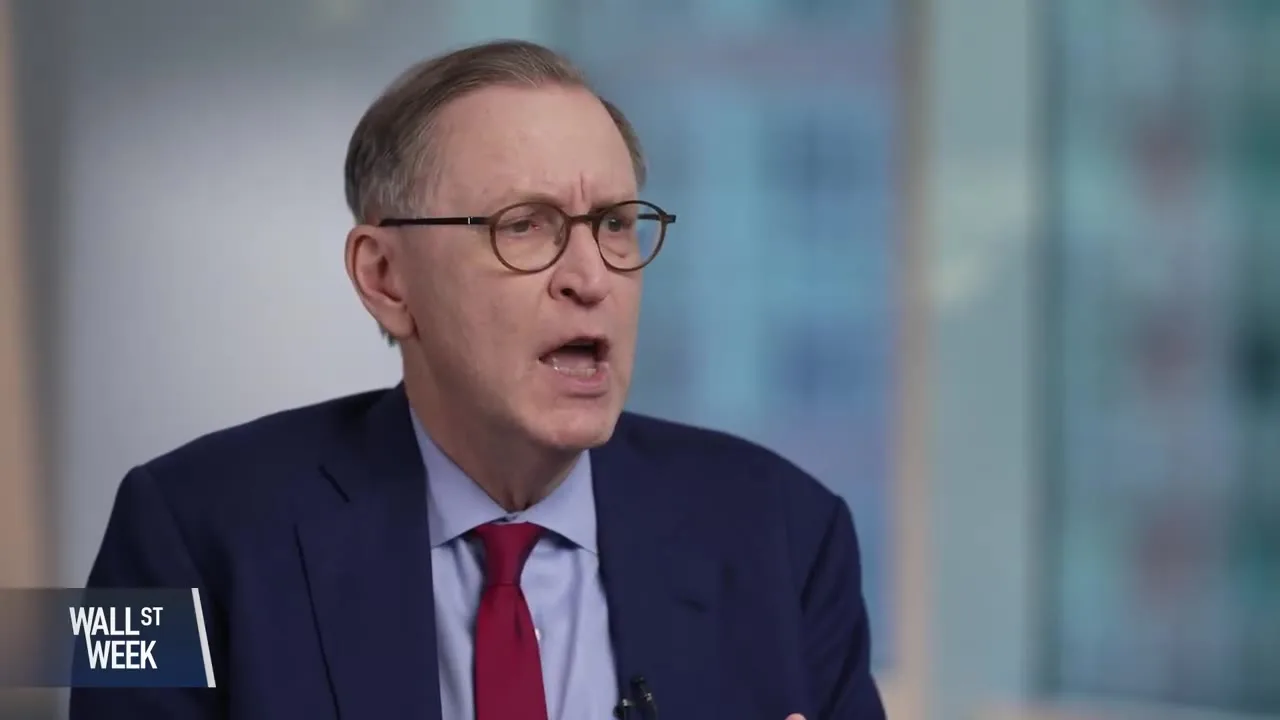
Voters wanted practical answers to their problems rather than an endorsement of one party's ideas, he said on Bloomberg Television's “Wall Street Week,” published Nov. 7. Hubbard previously chaired the Council of Economic Advisers under President George W. Bush.
“The first is that voters want what works,” Hubbard said. “The second is that voters want you to actually look at their problems.” Politicians from both parties had acknowledged decades of economic change without offering solutions.
Hubbard called for policies that promote growth while helping people take part in the changing economy. Promises that artificial intelligence would make people better off were insufficient without explaining how workers would prepare for new jobs.
On affordability, he called for attention to electricity costs, changes to the process for approving projects and the reasons housing costs so much to build in particular places. He doubted Democrats would pursue those measures.
Trade policy also needed attention. Tariffs had raised prices and Americans had borne their costs, Hubbard said, but both President Donald Trump and former President Joe Biden had recognised public concern about America's competitiveness.
Anyone proposing lower tariffs also needed to explain how more Americans would benefit from trade. Similarly, higher output and productivity from artificial intelligence would offer little reassurance to people uncertain whether they would share in those gains.
“The question in their mind is, am I one of those people?” Hubbard said. The aim should be opportunities for everyone, without promising identical outcomes or leaving the technology industry to resolve the problem.
Hubbard traced federal assistance for workers hurt by trade to the 1962 trade bill, saying President John F. Kennedy understood the need to help people adjust. Some measures, including wage insurance programmes, had worked in certain areas.
But he called for a broader effort, citing land-grant colleges and the G.I. Bill after World War II as examples of expanding access to education. Assistance should cover workers affected by domestic economic changes as well as trade.
“I don't think it's a big government program. I think it's a big idea,” Hubbard said.
Land-grant colleges began with grants of land, leaving others to raise money, he said. Business leaders could also help widen participation in the economy.
On government finances, Hubbard said Social Security trust funds would run out in 2032, forcing the next president and serving senators to confront choices over taxes and benefits. He expected higher interest rates to persist, raising refinancing costs and forcing discussion of the debt.
Hubbard described socialist candidates' appeal as less about ideology than dissatisfaction with an economy that did not work for everyone. Both parties needed to explain how the existing system could serve more people.
His proposals left the design and funding of a broader worker assistance effort open. He offered no specific changes to Social Security taxes or benefits, while arguing that political leaders would have to address those choices.