Human Rights Watch said Monday that conflict data linked airstrikes by Malian forces and Russia-controlled Africa Corps to 89 civilian deaths from April through August 2026, raising scrutiny of Mali’s counterinsurgency campaign.
The group cited Armed Conflict Location & Event Data (ACLED) for a tally of 49 airstrikes and 89 civilian deaths during that period. It cited 22 strikes and 44 deaths in the same months of 2025.
The intensified operations followed attacks that began April 25 by the al-Qaeda-linked Group for the Support of Islam and Muslims (JNIM) and fighters from the separatist Azawad Liberation Front. Human Rights Watch said Mali’s military leadership has used airstrikes increasingly since coups in 2020 and 2021.
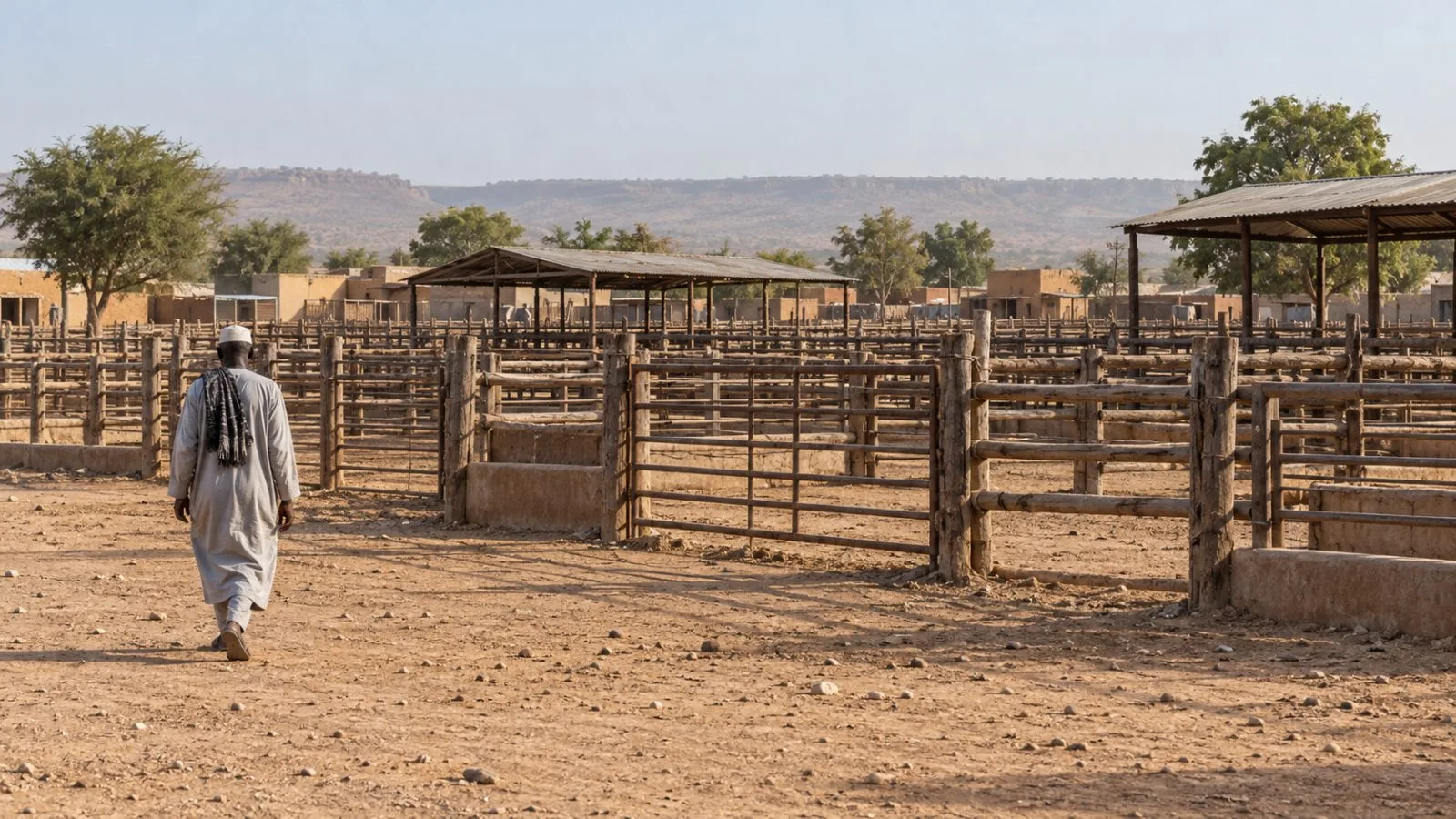
Human Rights Watch assessed two Malian military drone strikes as apparently indiscriminate. One hit a cattle market in Tombonkore on Aug. 19, killing six men and injuring at least 20 people, the group said. Another partially destroyed a health center in Talahandak on July 29. A health worker told the group the damaged facility could no longer treat patients.
Five witnesses told Human Rights Watch they saw no JNIM fighters in Tombonkore or its market when the strike occurred. In an Aug. 20 statement about operations in the Kilimpo area, which includes Tombonkore, Mali’s military claimed it had “neutralized” about 20 people it called “terrorists” at a hideout the previous day. The statement did not identify the market as its target.
The report described other harm to civilians. Malian soldiers shot and killed five girls harvesting rice on July 12, Human Rights Watch said. The girls’ families told the group that soldiers later apologized and said they had mistaken the children for attackers.
The group also reported that at least 19 captured Malian soldiers were tortured and killed after a July 18 convoy ambush. It could not tell from video whether the armed men abusing and shooting the soldiers belonged to JNIM or the Azawad Liberation Front. JNIM’s Sharia Committee acknowledged that captives were killed but denied ordering it. The Azawad Liberation Front denied that its fighters carried out executions.
Human Rights Watch called on the African Union Peace and Security Council to press for investigations into abuses by government forces, their allies and insurgent groups.