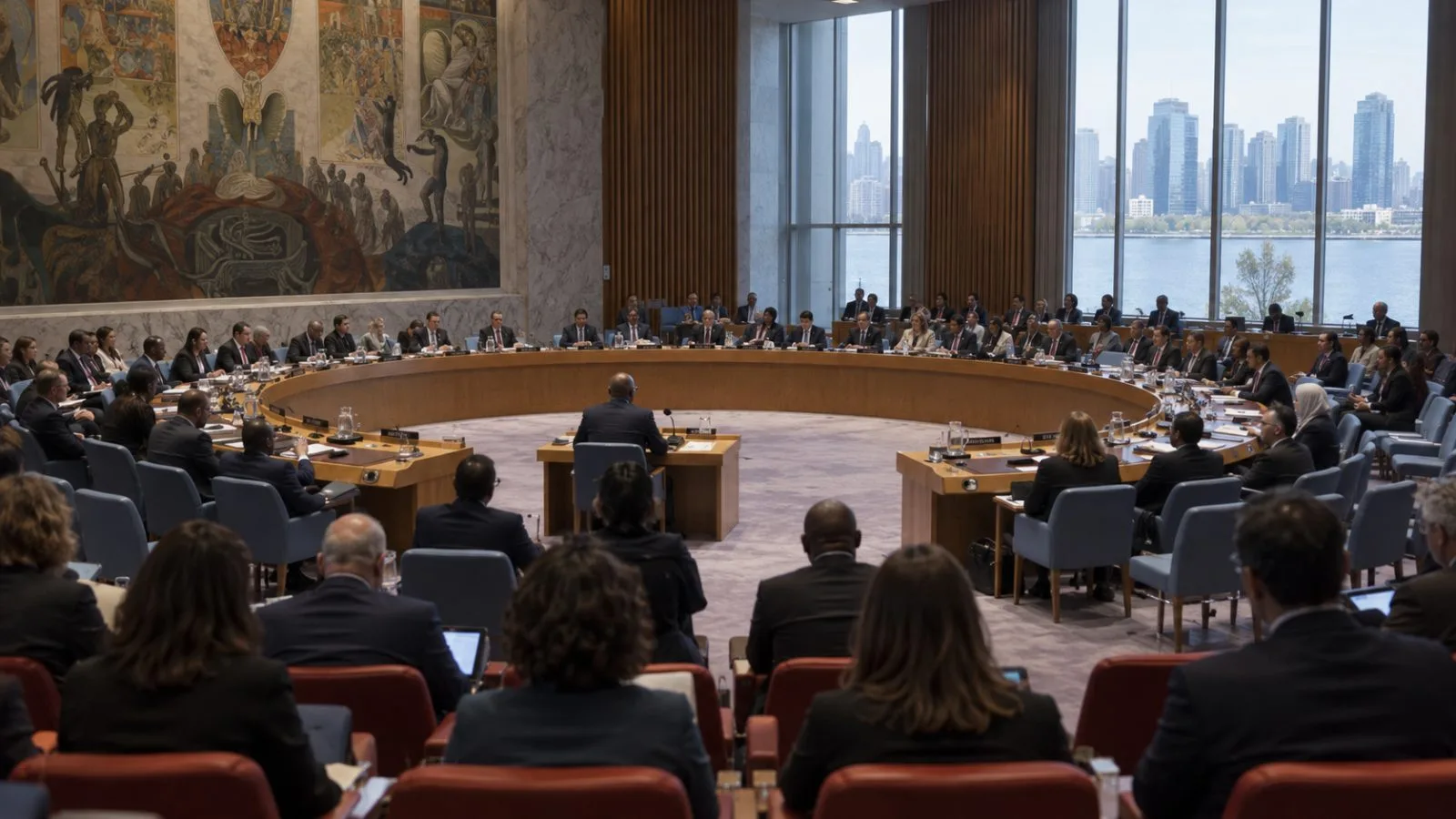
International Atomic Energy Agency (IAEA) Director General Rafael Mariano Grossi urged Iran on Tuesday to restore inspectors’ access, as the agency remains unable to verify the country’s declared uranium stockpile.
In its Sept. 1, 2026, report, the IAEA said it could not establish the stockpile’s current size, composition or location. The report records 440.9 kilograms enriched up to 60% as an estimate for June 13, 2025. Grossi cited 440 kilograms in his U.N. Security Council remarks, using a rounded figure.
The IAEA also said it cannot confirm whether Iran suspended all enrichment-related activities, including research and development. It tied that verification gap to information and access it does not have at Iran’s declared enrichment facilities.
Grossi framed his appeal as part of a safeguards dispute lasting more than five years. He said the agency had been prepared for months to resume inspection activity and urged Tehran to provide records and site access so inspectors could verify Iran’s declared nuclear material and meet the country’s safeguards obligations.
Grossi said military attacks prompted the IAEA to withdraw inspectors from Iran by the end of June 2025 because of safety concerns. The agency’s report separately identifies missing information and access as barriers to accounting for declared material and checking whether all enrichment activity had stopped.
Verification work was continuing at the Bushehr Nuclear Power Plant, Grossi said, identifying the site as an exception.
Grossi also said the Atomic Energy Organization of Iran had worked with the IAEA to arrange safeguards equipment for spent-fuel checks. Those checks are planned before the spent fuel is transferred to a new dry storage facility, with the transfer expected early in 2027, Grossi said.
The June 2025 estimate is a historical figure, not a verified count of the stockpile today. The agency says it cannot establish the current amount or location of the declared material. The verification gap follows EconoTimes’ earlier coverage of Iran’s enriched material. Grossi has also said IAEA verification would be needed for a U.S.-Iran nuclear agreement, as EconoTimes previously reported.