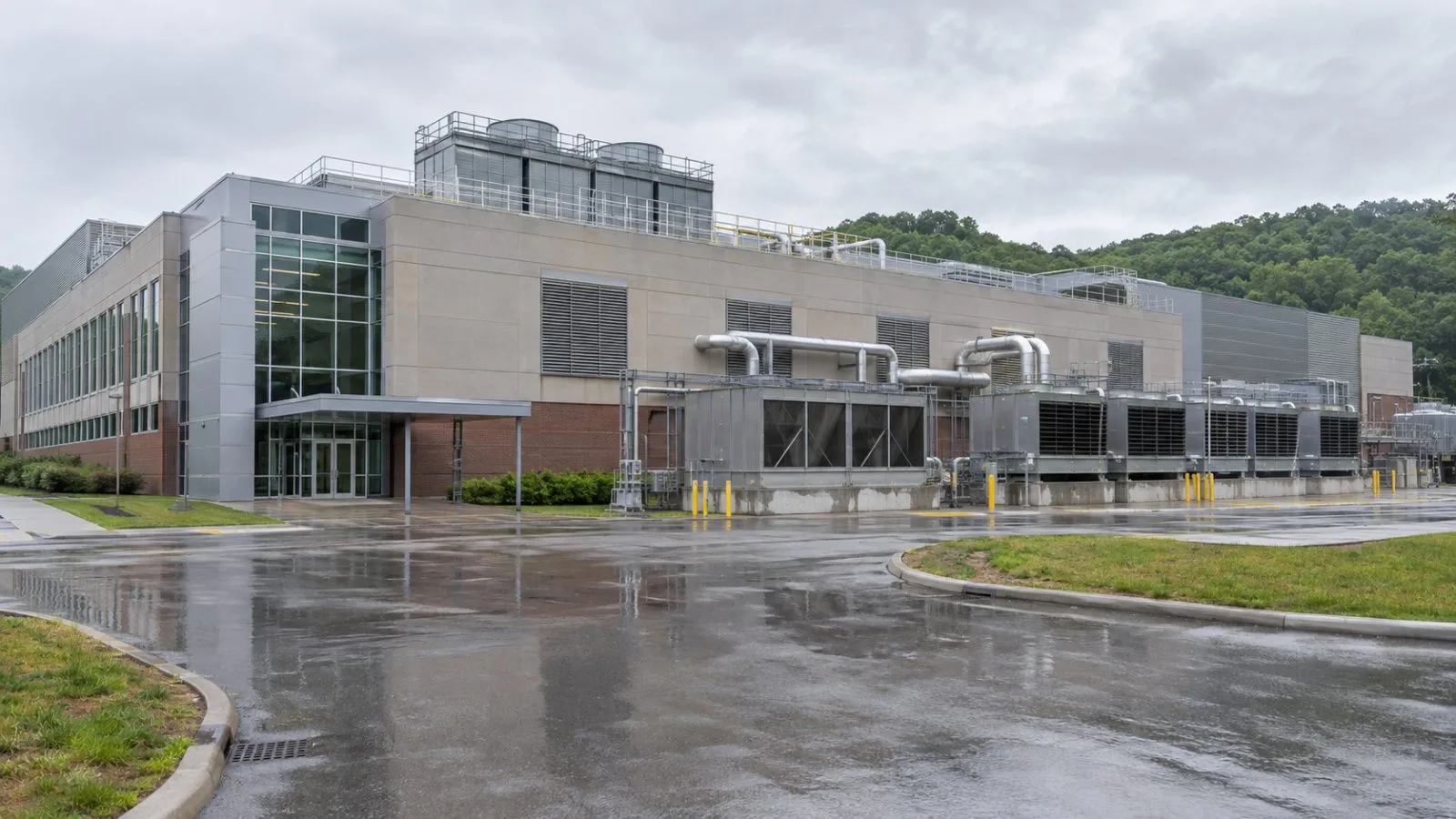
On Nov. 5, IBM, AMD and the Quantum Science Center at Oak Ridge National Laboratory (ORNL) announced a joint platform to examine how classical computing can help quantum systems correct errors as they scale.
The first deployment uses IBM’s 120-qubit Nighthawk processor alongside Umbra, ORNL’s high-performance computing system. IBM says Umbra is equipped with AMD Instinct MI355X GPUs and fifth-generation AMD EPYC CPUs. The platform is expected to connect with the Oak Ridge Leadership Computing Facility in Tennessee.
Teams plan to optimize error-correction decoders and coordinate the software around them. They will compare each approach’s demands for qubits, time, samples and classical computing capacity, according to IBM. The tests are intended to show how computing resources can be allocated between quantum hardware and the systems that help detect and correct its errors.
IBM frames the work around the need for more classical computing power alongside quantum hardware as systems scale. The company said the platform builds on its ORNL work through the Quantum Science Center and on an earlier IBM-AMD demonstration that ran a quantum error-decoding algorithm on AMD chips.
IBM says its earlier experiments reached as many as 70 logical qubits and 438 hard operations. It estimates that the hard-operation count would need to increase about 230-fold to reach 100,000.
The U.S. Department of Energy’s (DOE) Quantum Genesis Q Competition request for applications gives 100 logical qubits and 100,000 hard operations as an illustrative first-generation benchmark. DOE says those metrics can vary and will be negotiated with selected participants. The benchmark is an illustrative target rather than a fixed requirement. A logical qubit represents quantum information encoded across multiple subsystems and managed with error correction; it is a different measure from Nighthawk’s 120 physical qubits.
DOE anticipates announcing initial selections no earlier than Nov. 13, with a final evaluation scheduled for September 2028.