A Democratic victory in the US midterm elections would leave Washington facing political gridlock and unresolved debt risks, Nicholas Brooks, head of economic research at ICG, said ahead of voting.
Divided government could limit large spending packages and help bond markets, but it would also leave the budget imbalance unresolved. Brooks said neither party appeared likely to repair the country's finances.
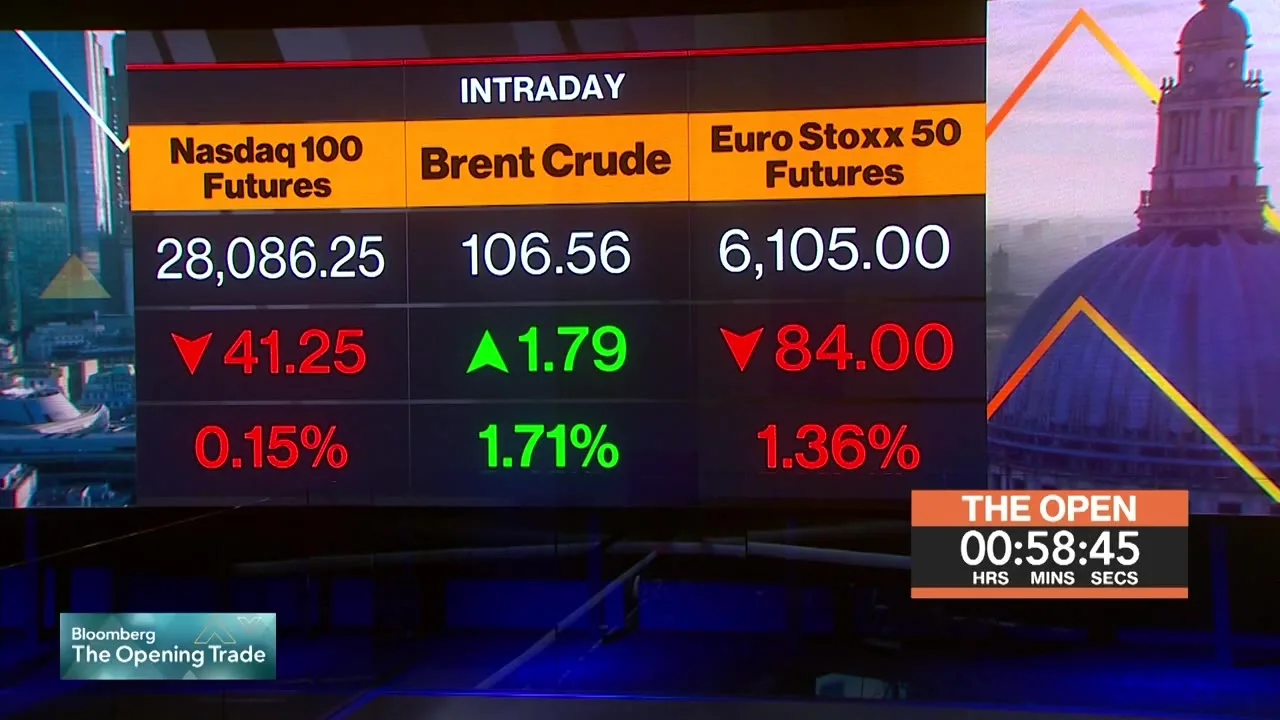
Speaking on Bloomberg Television's “US Election Day Kicks Off: Stocks Slip, Oil Rebounds,” published Nov. 3, Brooks treated Democratic control of the House and possibly the Senate as his starting assumption.
He expected the election to affect some industries and individual stocks, while producing fewer changes across the broader economy. “When I look at the big picture macro, probably gridlock,” he said.
The prospect of fewer large spending measures could benefit bonds. But Brooks put greater weight on international policy, particularly developments involving Iran, because energy costs affect economies far beyond the United States.
“Oil prices, energy prices broadly I think are driving not just the U.S. macro outlook, but also the global macro outlook,” he said. His assessment placed energy ahead of the congressional balance in determining economic conditions.
Brooks did not expect the prospect of a government shutdown to cause much immediate bond-market volatility. He considered a shutdown increasingly likely if Democrats took the House and potentially the Senate.
He identified late August or September 2027, or sometime that autumn, as a possible period of market swings around a shutdown. He gave no precise date for such a disruption.
Behind the election and debate over returns on artificial intelligence investments, Brooks put the US fiscal deficit, the gap between government spending and revenue, at around 6% of economic output. He also cited IMF figures of 7% to 8%, without specifying the period or accounting basis for that range.
Brooks expected the country's debt path eventually to affect bond yields, the returns investors demand to hold government debt. “When that happens is hard to predict,” he said.
He also rejected the idea that continued Republican control would necessarily improve the budget position. He considered that election outcome highly unlikely and said the fiscal situation had deteriorated under President Donald Trump's administration.
Republicans would be unlikely to do much about the deficit even if they retained Congress, in his assessment. Democratic control would not necessarily produce a solution either. “I also don't think a Democratic majority in Congress is going to fix things, either,” he said.