Better air connections could lift Caribbean tourist arrivals by 6% within a year after airlines add capacity, according to research presented by the International Monetary Fund’s Western Hemisphere Department.
The work links additional airline seats to higher visitor numbers, after accounting for airlines’ tendency to expand services when they expect stronger demand. Weak transport connections also help explain why Caribbean countries depend so heavily on nearby trading partners.
The research was presented at an annual meetings session in Bangkok, “Analytical Corner: Mind the Gaps—Caribbean Trade Patterns and the Connectivity Constraints”, and the IMF published the recording on Oct. 21. It was carried out jointly with the Eastern Caribbean Central Bank.
Countries can reduce their exposure to shocks in any single market by broadening their trading partners, shipping routes and sources of tourists. Weak connections make that harder for the Caribbean.
“This diversification doesn’t happen automatically,” the presentation said.
Caribbean countries import much of what they consume from a narrow group of suppliers, which leaves them exposed to disruption affecting those partners. Tourism, a major export for the region, is similarly concentrated.
More than three-quarters of tourists arriving in the Caribbean come from the United States and Canada. That dependence leaves the region sensitive to economic conditions in those two countries.
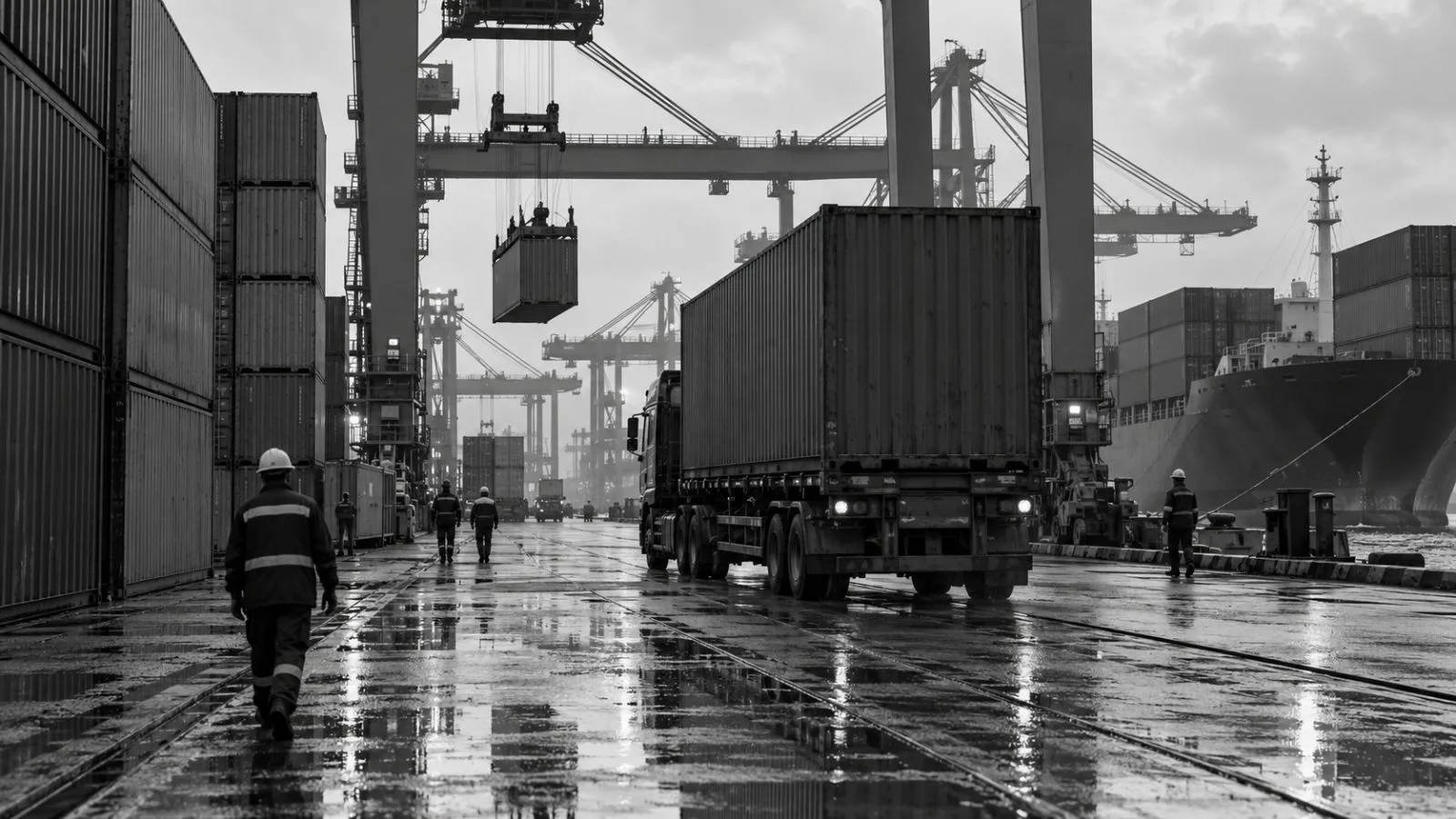
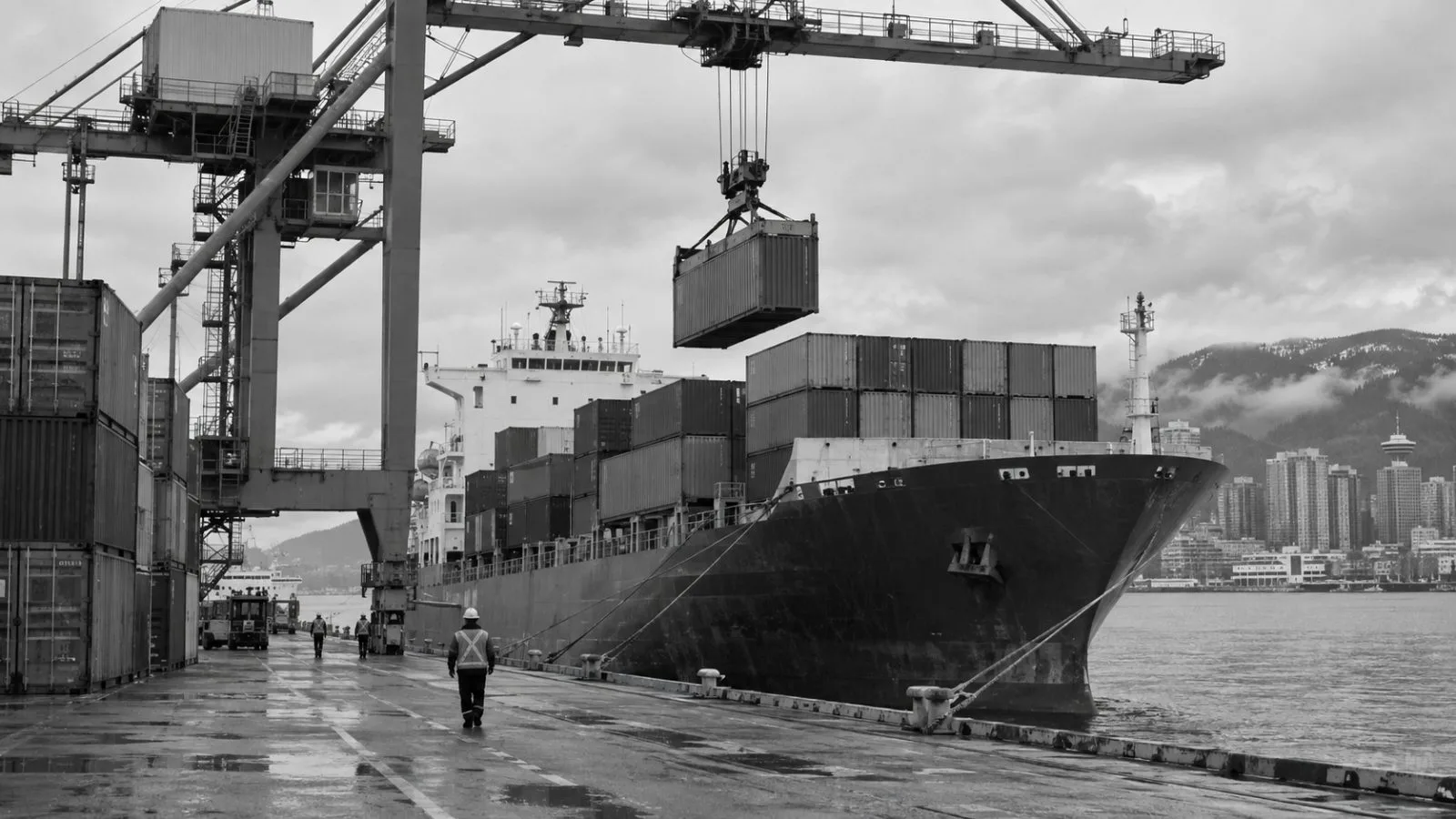
Caribbean shipping connections rank well below the global average. Shipping costs in many countries are about twice the global average and approach three times that level in some.
Air connections also fall short of those serving other destinations, even after allowing for differences in economic size and geography.
Actual goods trade was compared with estimates based on countries’ economic size and distance from one another. Caribbean countries traded more within the region, and less with outside partners, than those estimates predicted.
Those differences largely disappeared once weak shipping connections were taken into account. Distance constrains Caribbean trade more than it constrains trade elsewhere.
For tourism, the effect of extra airline seats was separated from the demand that prompts carriers to add them. A 10% increase in seats lifted arrivals by about 2% within a month, growing to 6% over the following year.
“Air connectivity doesn’t just follow tourism demand,” the presentation said.
Improving connections would help the countries broaden their markets and withstand shocks. No timetable for improvements was set, and no funding was committed.