India’s open-ended debt mutual funds saw net withdrawals of ₹1.83 trillion in September, with the Association of Mutual Funds in India (AMFI) linking outflows from liquid and money-market schemes to cash needs before advance-tax deadlines.
AMFI reported net outflows of ₹1,83,156 crore, compared with ₹8,127 crore in August. Liquid funds accounted for ₹95,743 crore, while money-market funds recorded ₹50,846 crore in redemptions. The association said tax-related cash requirements were behind most withdrawals from those two categories. It said institutional and corporate investors use liquid funds extensively to manage treasury cash. Open-ended debt-fund assets fell 8.8% from August to ₹17.64 trillion.
The outflows coincided with higher benchmark yields. AMFI’s monthly note recorded a 7.18% yield on Sept. 30 for the 6.94% 2036 government security, compared with 6.95% on Aug. 31. The association cited inflation concerns, elevated crude prices, higher global bond yields and a narrowing surplus of liquidity among the factors behind the rise.
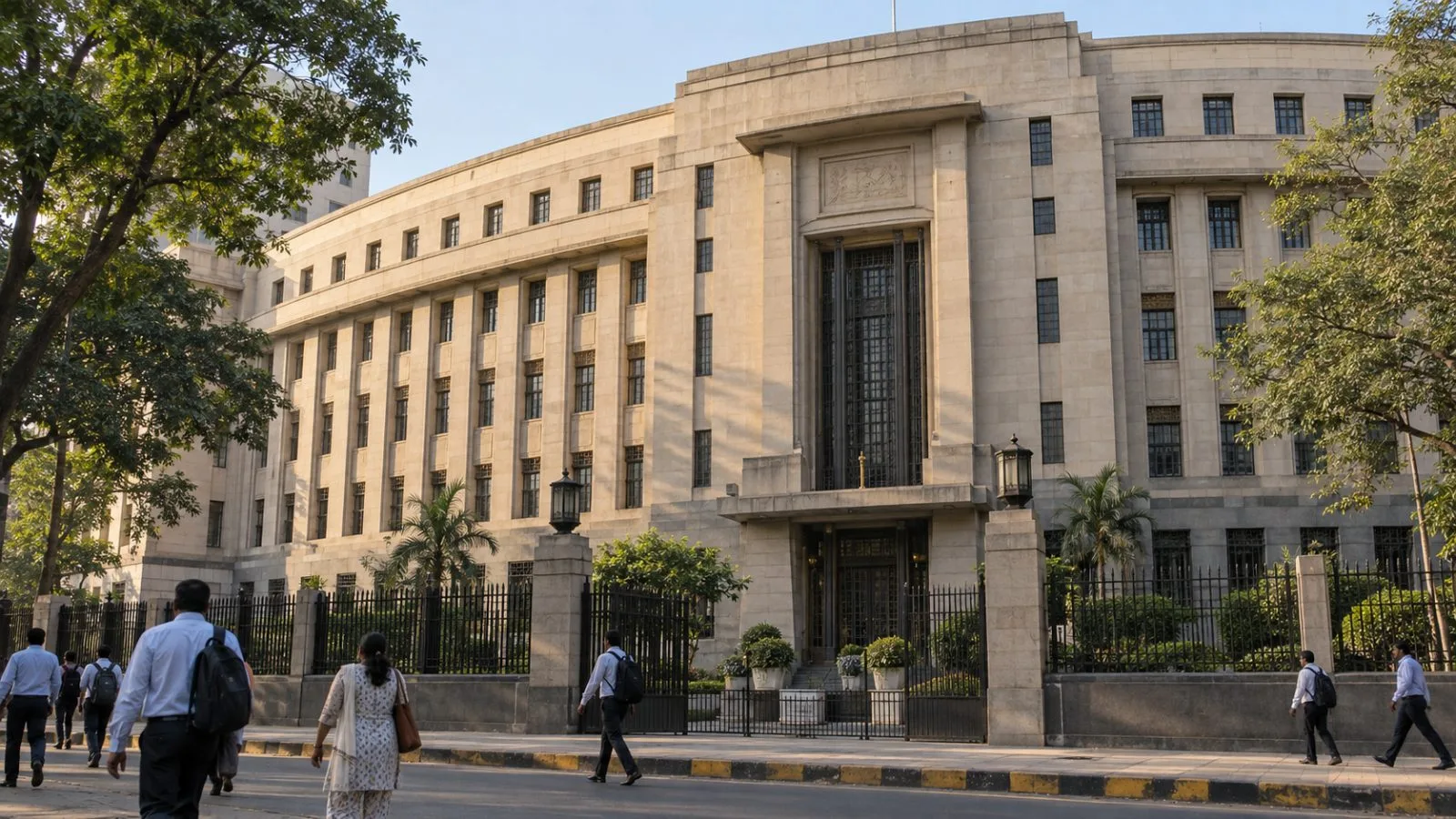
The Reserve Bank of India (RBI) raised its repo rate by 25 basis points to 5.50% after its Oct. 5-7 policy meeting and shifted its stance to calibrated tightening. The RBI’s next Monetary Policy Committee meeting is scheduled for Dec. 2-4.
In a Nov. 4 interview with The Economic Times, Siddharth Chaudhary, head of fixed income at Bajaj Asset Management Limited, said investors should consider when they may need their money, their need for ready access to cash and their tolerance for changes in market value. “These products solve different problems,” he said. Chaudhary said fixed deposits are more predictable when held to maturity, while government securities can fluctuate in price despite their sovereign credit quality. Debt mutual funds offer diversified exposure, but their returns are linked to market movements. The RBI says government securities in the domestic market carry no credit risk and that bond prices and interest rates generally move in opposite directions.
Chaudhary said he would focus on income from bond portfolios rather than count on a sharp drop in yields. He also cautioned investors against taking long-duration exposure simply because yields had risen.