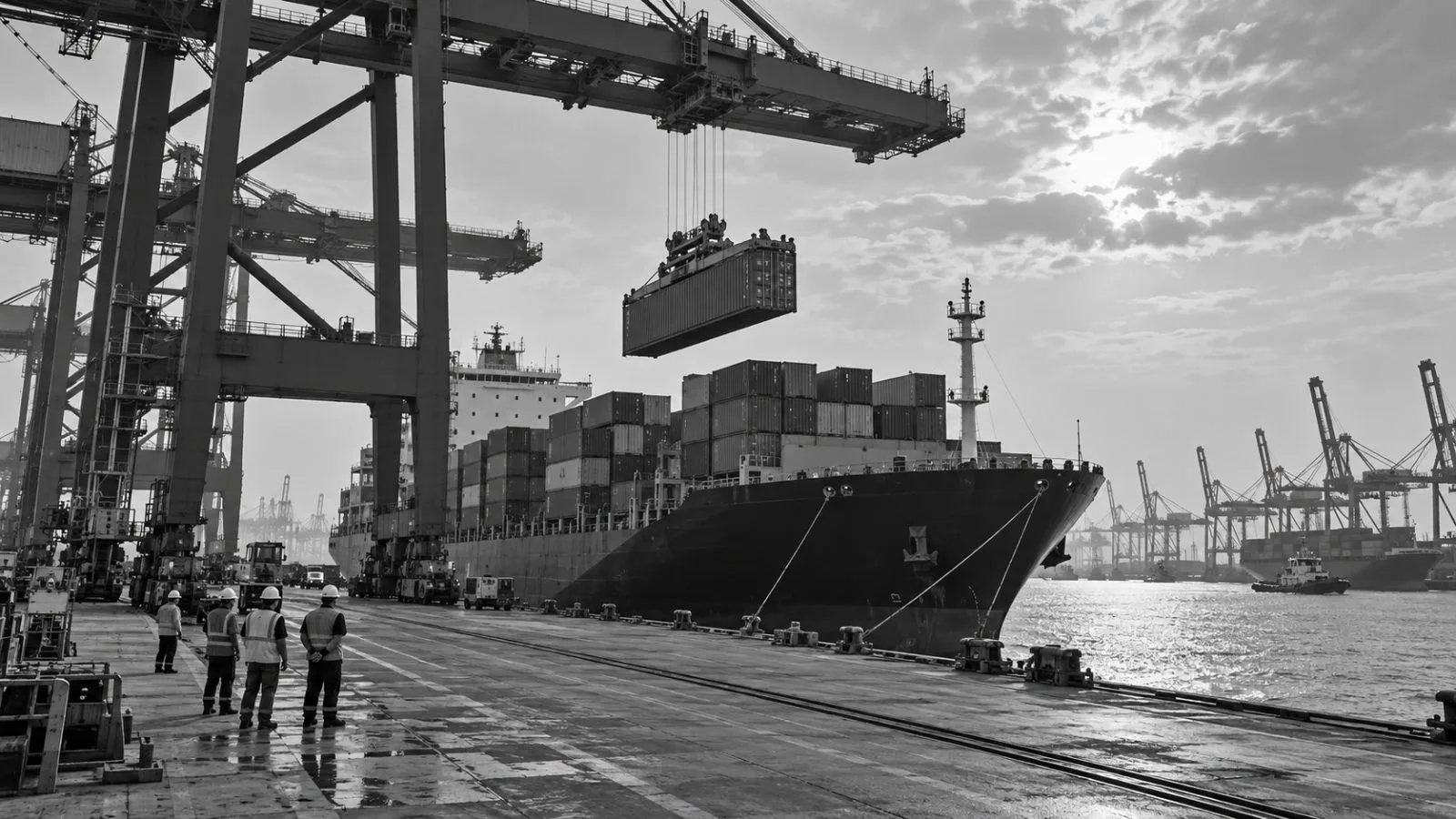
The India-New Zealand free trade agreement took effect Oct. 20, removing New Zealand tariffs on qualifying Indian goods and expanding access to India for New Zealand exporters.
New Zealand has eliminated duties across all tariff lines for Indian goods that meet the agreement’s rules of origin. India’s Ministry of Commerce and Industry identified textiles and apparel, leather and footwear, engineering goods, gems and jewelry, and processed foods among the beneficiaries. Some of those goods previously faced tariffs of up to 10%.
India has offered concessions on about 70% of its tariff lines through immediate or phased cuts, partial reductions and quotas. It has kept core dairy products, including milk powders, butter and cheese, outside the tariff cuts, although some dairy-based preparations and milk albumin receive limited concessions. Apples, kiwifruit and mānuka honey have quota-managed access.
Using 2024 goods trade by value, New Zealand estimates that 57% of its existing exports to India qualify for duty-free treatment from the start. That figure includes goods already free of duty and those admitted under quotas. The share due to become duty-free reaches 82% after 10 years, while 95% is expected to receive either tariff elimination or reductions over time.
The countries’ Strategic Partnership: Roadmap to 2030 sets an aspirational goal of NZ$7 billion in two-way goods and services trade by 2030. New Zealand’s Ministry of Foreign Affairs and Trade put the 2025 total at NZ$3.95 billion. New Zealand also agreed to encourage direct investment in India, seeking a US$20 billion increase over the pact’s first 15 years.
The agreement records New Zealand’s binding market-access commitments in about 118 services sectors and subsectors. It caps Temporary Employment Entry places for skilled Indian professionals at 5,000 at any one time: 4,400 for shortage occupations and 600 for designated Indian occupations. A separate Working Holiday program allows up to 1,000 places annually.
New Zealand’s official analysis cited India’s historically high tariffs as a barrier to exporters and said the dairy provisions fell short of its ambitions. Earlier trade talks between the countries ended in 2015 without an agreement. Another round of tariff cuts is scheduled for Jan. 1, 2027, and the pact’s first general review is due within a year of taking effect.