India’s opposition INDIA bloc used a mock parliamentary session in New Delhi on Oct. 31 to press its objections to a voter-roll revision it says risks excluding eligible voters.
Mallikarjun Kharge, president of the Indian National Congress, moved a motion concerning Chief Election Commissioner Gyanesh Kumar. Former Lok Sabha Speaker Meira Kumar chaired the mock session, The Indian Express reported. The Congress also posted addresses by Kharge and Lok Sabha Leader of the Opposition Rahul Gandhi.
The dispute centers on the Election Commission of India’s Special Intensive Revision (SIR), an exercise to update electoral rolls. AFP reported that opposition leaders argue the process could remove eligible voters and benefit Prime Minister Narendra Modi’s Bharatiya Janata Party (BJP). AFP also reported that the commission and the BJP denied those allegations.
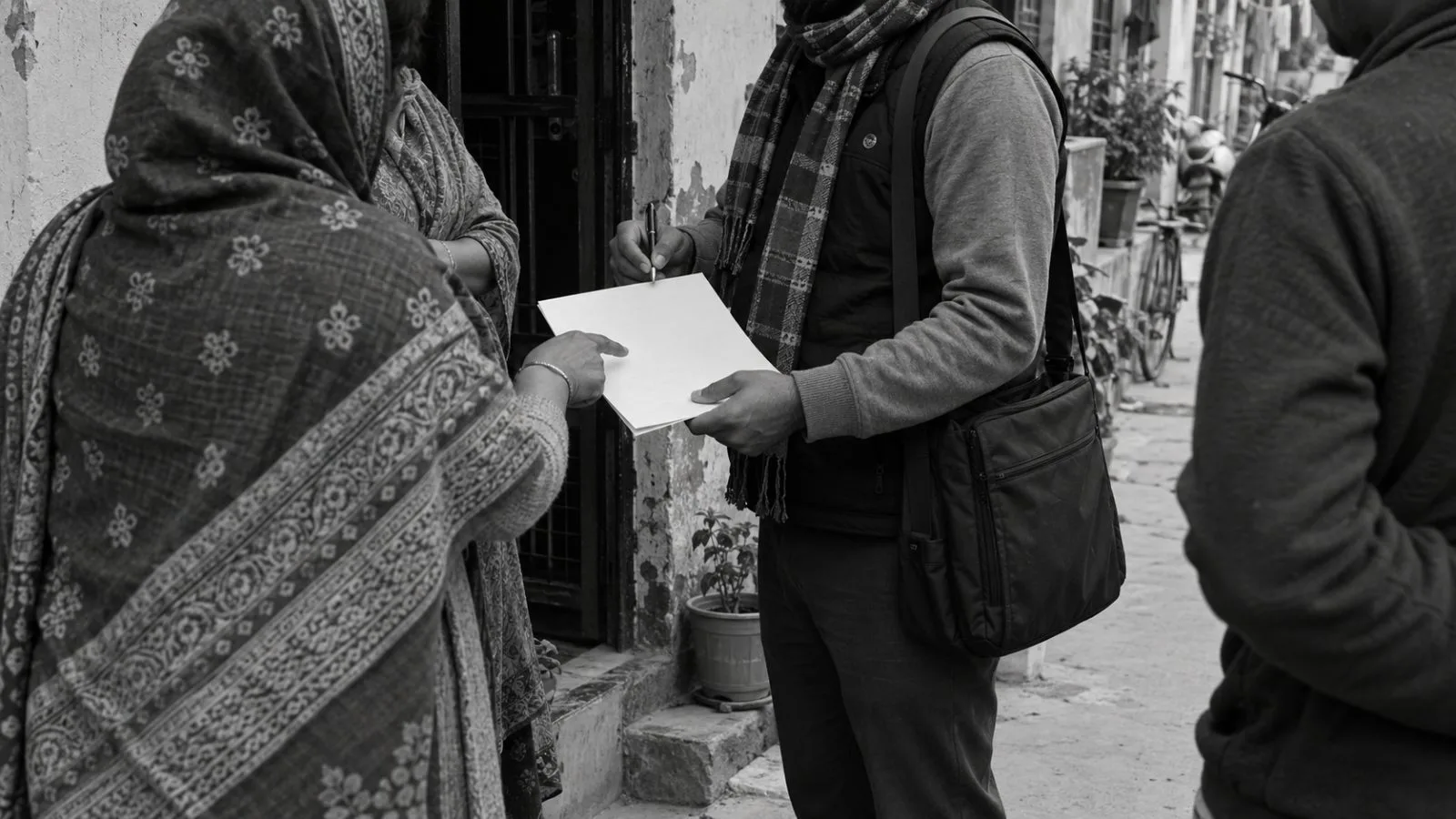
In a May 14, 2026, press note, the Election Commission said Phase III would cover 16 states and three Union Territories. The plan called for more than 394,000 Booth Level Officers to visit 367.3 million electors, assisted by 342,000 agents appointed by political parties. Delhi’s chief electoral officer said in a May 15, 2026, note that the aim there was to keep eligible citizens on the rolls and remove ineligible entries.
The Indian Express reported that Kharge claimed 132 million voter names had been deleted, while Gandhi cited 133 million.
India’s Constitution sets a separate process for removing a chief election commissioner. Article 324(5) ties the protection against removal to the process for removing a Supreme Court judge. Under Article 124(4), each house of Parliament must approve an address by a majority of its full membership and at least two-thirds of members present and voting; the president then issues an order. The mock proceeding itself did not remove Kumar.
An Oct. 27 Supreme Court order listed related petitions for a hearing on Nov. 17, 2026.