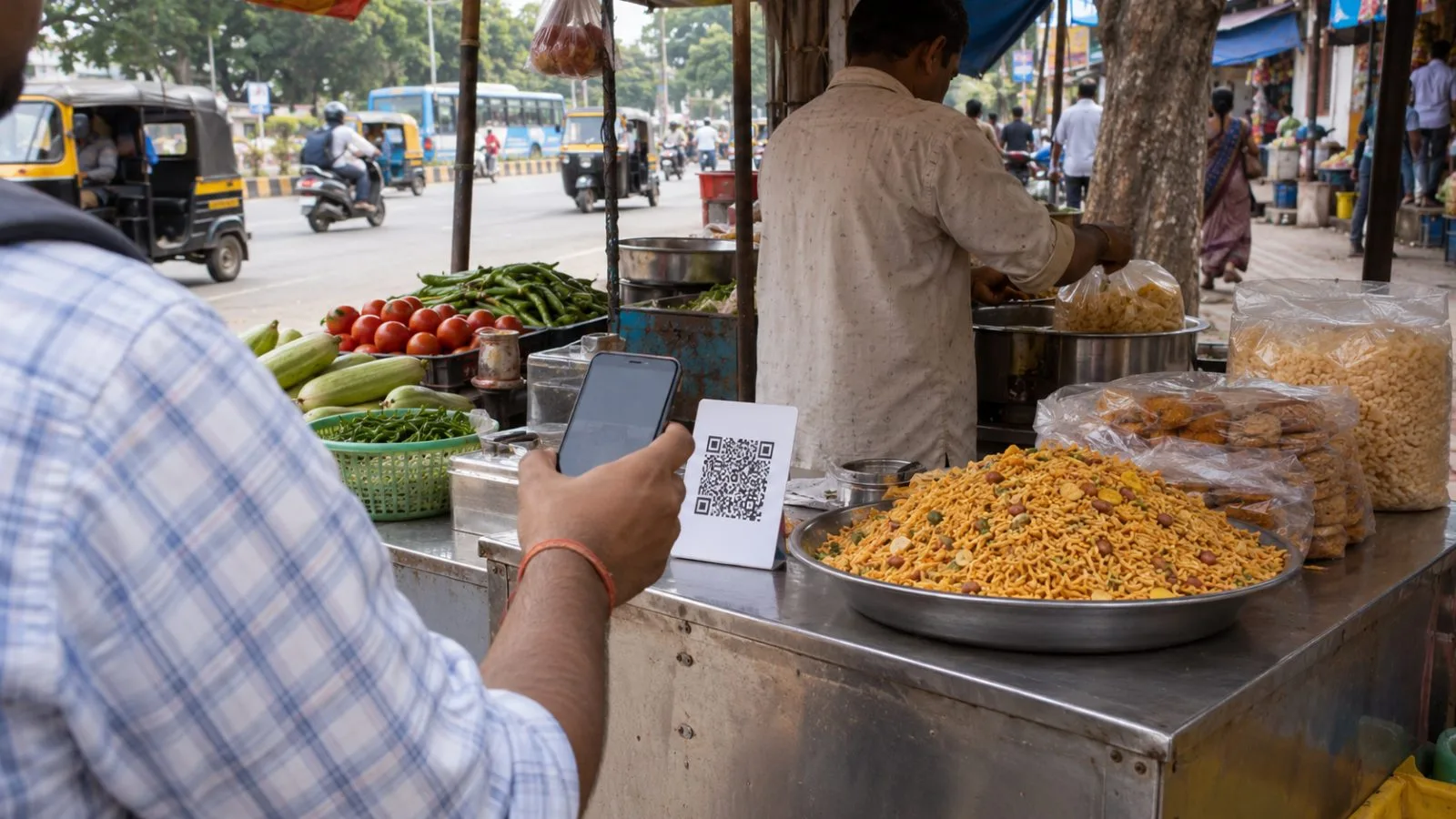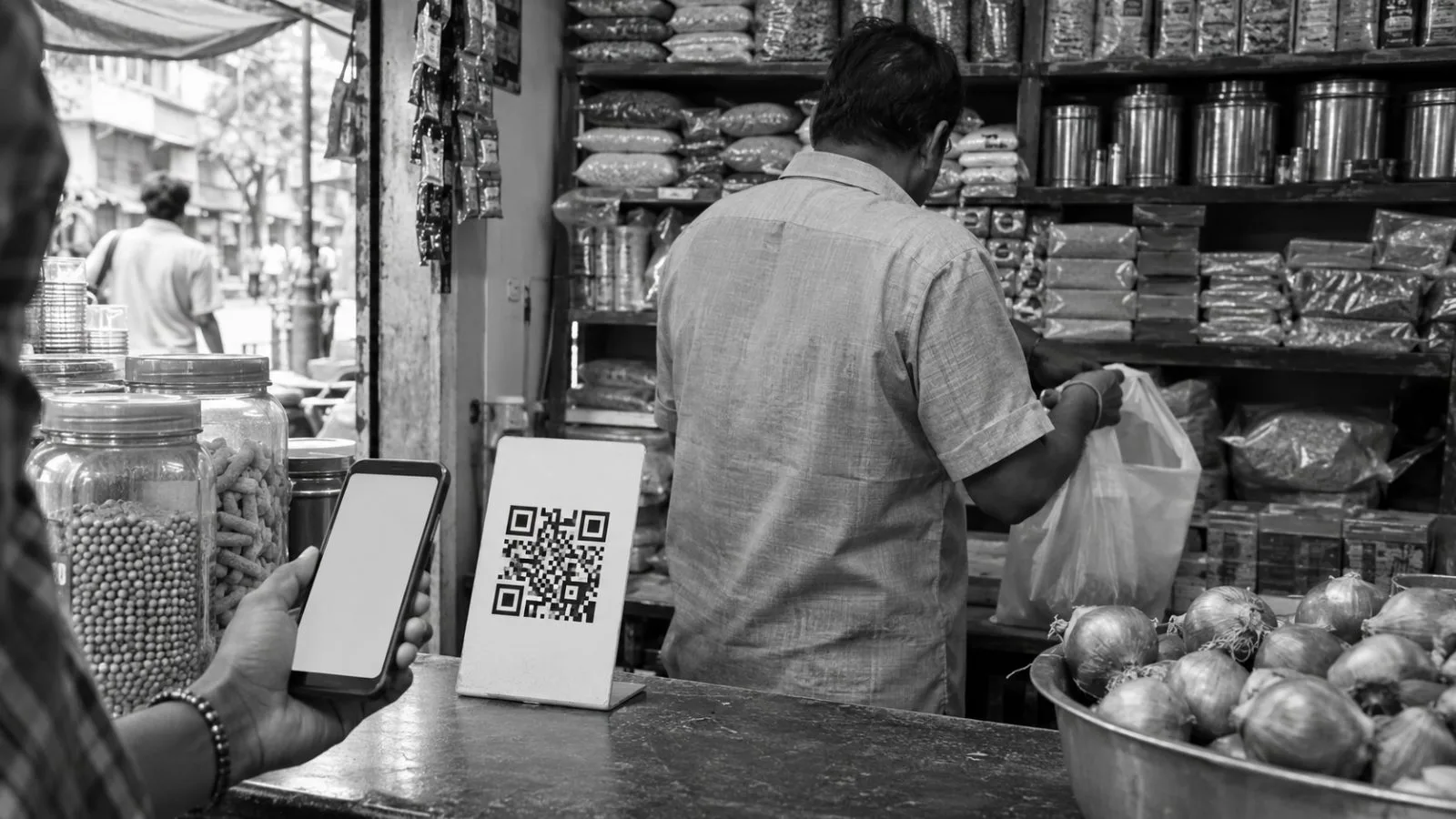
India’s planned fee on some Unified Payments Interface payments would add a cost for eligible merchants, while banks have been advised to prevent them from passing it to customers, a change relevant to businesses and consumers using the country’s digital payment system.
The National Payments Corporation of India set a 0.4% merchant discount rate on eligible person-to-merchant transactions above ₹2,000. The fee is capped at ₹300 for transactions of ₹75,000 or more, according to NPCI’s Sept. 15 FAQ.
The start date remains unannounced. NPCI postponed the planned Oct. 15 rollout until after Diwali and said it would notify a new date separately, according to its statement reported by The Free Press Journal and Business Standard.
The Ministry of Finance says banks have been advised to prevent merchants from passing the fee on to customers. It also says UPI application providers are prohibited from imposing platform fees or hidden charges.
Person-to-person transfers and merchant payments up to ₹2,000 remain free of the merchant discount rate, the ministry said. Qualifying small merchants in the P2PM category that receive up to ₹1 lakh a month through UPI QR codes also retain zero MDR. The ministry estimates that about 4% of merchant transactions will attract the fee.
The ministry says the charge is distributed across the payment ecosystem and is intended to support UPI infrastructure. Participants include banks, payment service providers and UPI application providers.
NDTV Profit reported that some sellers of expensive goods might encourage buyers to use cards, cash or bank transfers instead. Official materials do not confirm that retailers plan to change their checkout options. NDTV Profit also reported that NPCI materials do not clearly explain how the fee would be handled for full or partial refunds.
NPCI has not announced the replacement implementation date.