India’s Ministry of Rural Development is urging states and Union territories to add livestock projects to rural jobs plans, naming 22 eligible works and a conditional target of at least 5% of program spending.
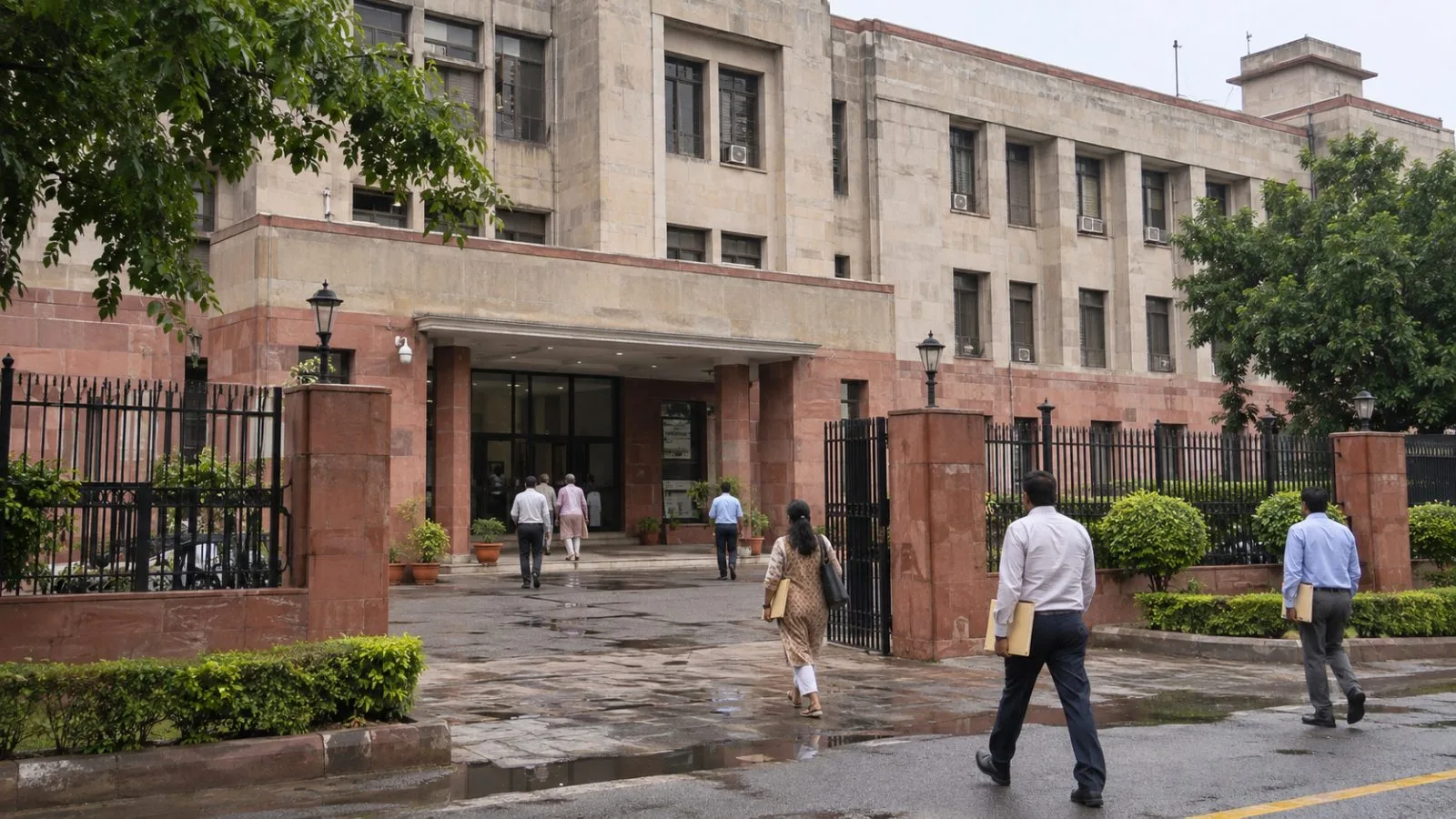
The Department of Rural Development coordinated with its counterpart, the Department of Animal Husbandry and Dairying, to issue the advisory. In a Nov. 5 release, the ministry said the selected projects come from the 375 works permitted under the Viksit Bharat–Guarantee for Rozgar and Ajeevika Mission (Gramin) Act, 2025, known as VB-G RAM G.
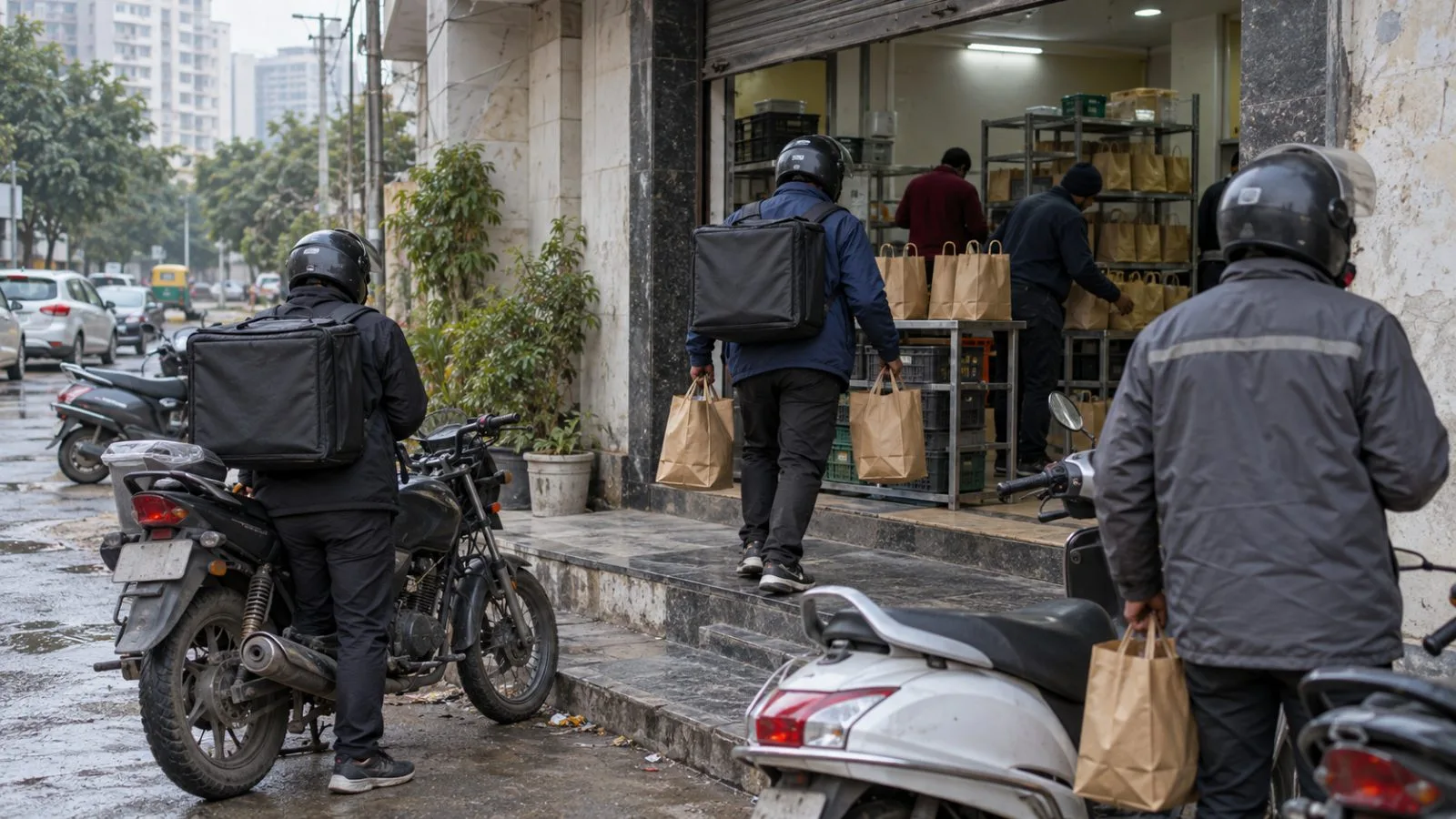
Examples include fodder cultivation and storage, pastures and grazing lands, livestock shelters, community milk collection centres, veterinary centres, animal troughs and Azolla tanks.
The ministry said states and Union territories are encouraged to increase allocations gradually, using 5% or more of overall program expenditure as a goal only when local needs, approved plans and applicable guidelines support it. The figure is guidance rather than a fixed spending mandate.
Gram panchayats can give added attention to areas where more than 30% of residents depend on livestock, the release said. Projects are to be reflected in Viksit Gram Panchayat Plans in line with priorities approved by the Gram Sabha.
The ministry presents the projects as a response to fodder shortages and says livestock-dependent households are intended to benefit, including small and marginal farmers and landless families.
The act took effect July 1, 2026. It guarantees each eligible rural household 125 days of wage work in a financial year when adult members volunteer for unskilled manual labor.
The ministry says the permitted-work schedule expanded from 266 items under the previous framework to 375, a 41% increase. The wider list spans water security, rural infrastructure, livelihood projects, and preparedness for extreme weather and disasters. The release also lists social audits, weekly public disclosures, grievance redressal and a district-level 40% ceiling on the material component as safeguards.