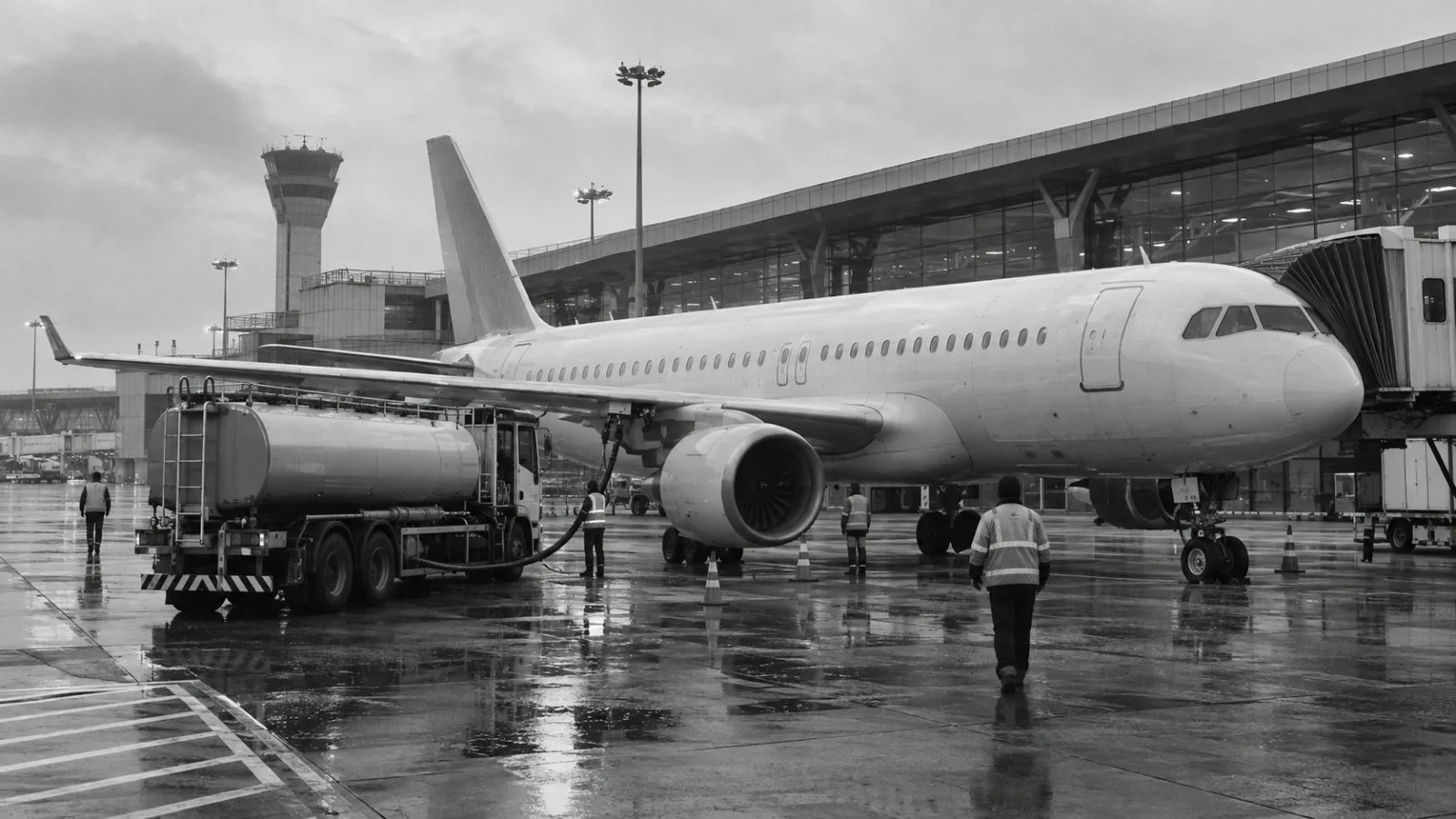
India is considering a council to coordinate sustainable aviation fuel (SAF) policy, and Business Standard says it could choose required blend levels for international flights after 2030, beyond the ministry’s published schedule.
NDTV Profit reported Nov. 9 that the proposed National Council on Sustainable Aviation Fuel (NC-SAF) would be co-chaired by the civil aviation and petroleum secretaries. The outlet said the Directorate General of Civil Aviation and the ministries of Agriculture, Environment, Finance and Consumer Affairs would also be represented.
The Ministry of Civil Aviation lists indicative SAF blending targets for international flights of 1% by 2027, 2% by 2028 and 5% by 2030. Those published goals are separate from the draft policy’s reported proposals for mandatory blending.
Accounts of the proposed 2040 level conflict. NDTV Profit and Business Standard reported a 20% blend, while a PTI report carried by The Economic Times put the figure at 40%. Neither figure is included in the ministry’s published target schedule.
Business Standard reported that the draft aims to lower aviation emissions and develop a domestic SAF supply chain. It would make fuel suppliers responsible for blending and could impose penalties on suppliers and airlines that do not meet requirements, according to coverage of the proposal.
PTI reported that the draft also proposes a SAF Innovation Seed Fund and tax and financing measures to encourage SAF production. The proposed measures could support production and related pilot projects, while suppliers and airlines could face compliance duties; the reports did not quantify those costs.
Business Standard reported that the draft had not yet been published for public comment. It gave no date for the proposed council to decide requirements for the period after 2030.