Indonesia is considering leaving gas export contracts with neighboring countries unrenewed to meet domestic demand, while its energy minister says broader exports could be halted over a lack of respect.
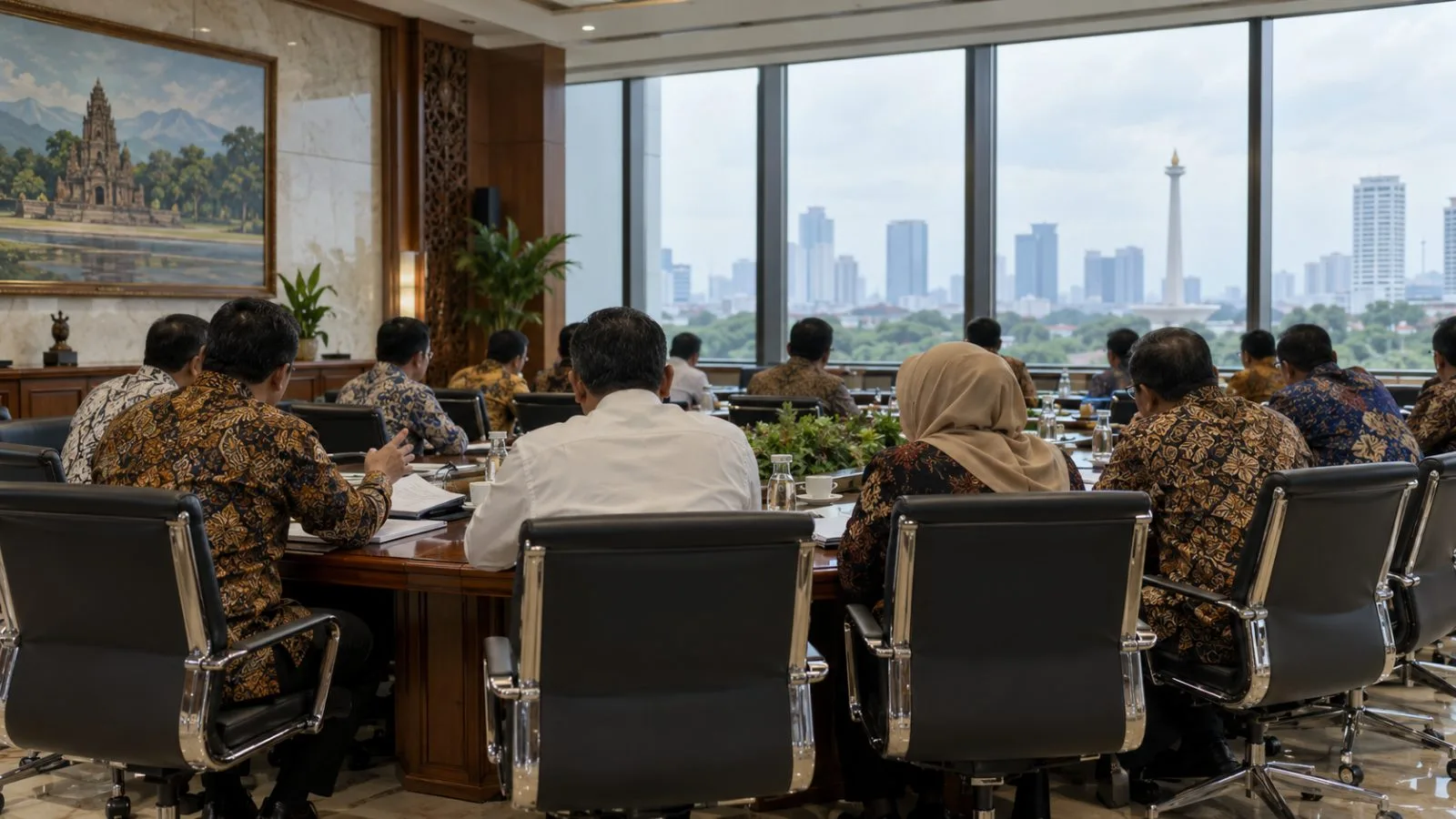
On Oct. 21, Bahlil said the government was considering allowing gas export contracts with neighboring countries to lapse, citing the need to meet local demand. The comments followed a Cabinet meeting in Jakarta. President Prabowo Subianto has urged officials to manage natural resources for Indonesians’ benefit and put national interests first.
A day later, Bahlil said the government would revisit energy export agreements with countries he believed had not shown Indonesia mutual respect. He said Jakarta could stop energy exports to those governments. He also said Indonesia remained open to agreements with countries prepared to treat it as an equal partner. Disagreements, he said, should be handled through dialogue and mutual respect. Neither set of remarks named a specific country, and Bahlil gave no schedule for reviewing the agreements.
Indonesia’s Central Statistics Agency reported that Japan received about 3.8 million tonnes of Indonesian natural gas in 2025. China received 3.79 million tonnes, Singapore 3.22 million and South Korea 2.27 million. Thailand and the Philippines received about 291,000 and 138,000 tonnes, respectively.
Singapore Deputy Prime Minister Gan Kim Yong told Parliament in September 2025 that Indonesia was among the country’s main natural gas suppliers. He said current import contracts were scheduled to end at the close of 2028.
The two countries are also pursuing low-carbon electricity exports in a separate energy negotiation. Bahlil said Oct. 19 that they had yet to agree on pricing. Singapore’s Energy Market Authority has granted conditional licenses for six Indonesian electricity import projects totaling 3 gigawatts. The governments aim to develop at least 3.4 gigawatts of cross-border power projects by 2035.
Bahlil said Oct. 7 that Indonesia would review electricity export arrangements to secure greater economic benefits, including a role in setting prices and developing projects. No date was announced for the broader energy export review; Singapore’s existing gas import contracts are due to expire at the end of 2028.