


 HSBC Plans Deep UK Wealth Job Cuts in AI Push
  Micron Forecast Tops Estimates as AI Memory Demand Stays Strong
  Kalshi Withdraws PEPE Perpetual Futures Filing
  Meta and Microsoft Cut Internal Claude AI Use
  Zcash NU7 Testnet Cuts Block Time to 25 Seconds
  DogeOS Launches Testnet to Bring DeFi Apps to Dogecoin
  Rapidus Seeks Chip Customers as Japan Pushes 2nm Semiconductor Revival
  AI Agents Could Disrupt Financial Services, Bernstein Says
  SpaceX Seeks $40 Billion for Nvidia AI Chips
  OKX Raises Fresh Funding at $25 Billion Valuation
  Samsung, SK Hynix Shares Fall Ahead of Q3 Earnings
  Trump, Tech Leaders Sign ‘Morally Binding’ AI Safety Accord
  SEC Investor Reform Validates Barry Silbert’s Tokenization Vision
  Firmus Grid IPO Draws Strong Demand, Nvidia and Blackstone Could Raise Stakes
  Google Pays Publishers for AI Search Content in New Pilot
  Tencent Signs $7 Billion Oracle AI Chip Lease Deal
  WordPress Malware Uses Ethereum to Evade Removal


 Add as a preferred source on Google
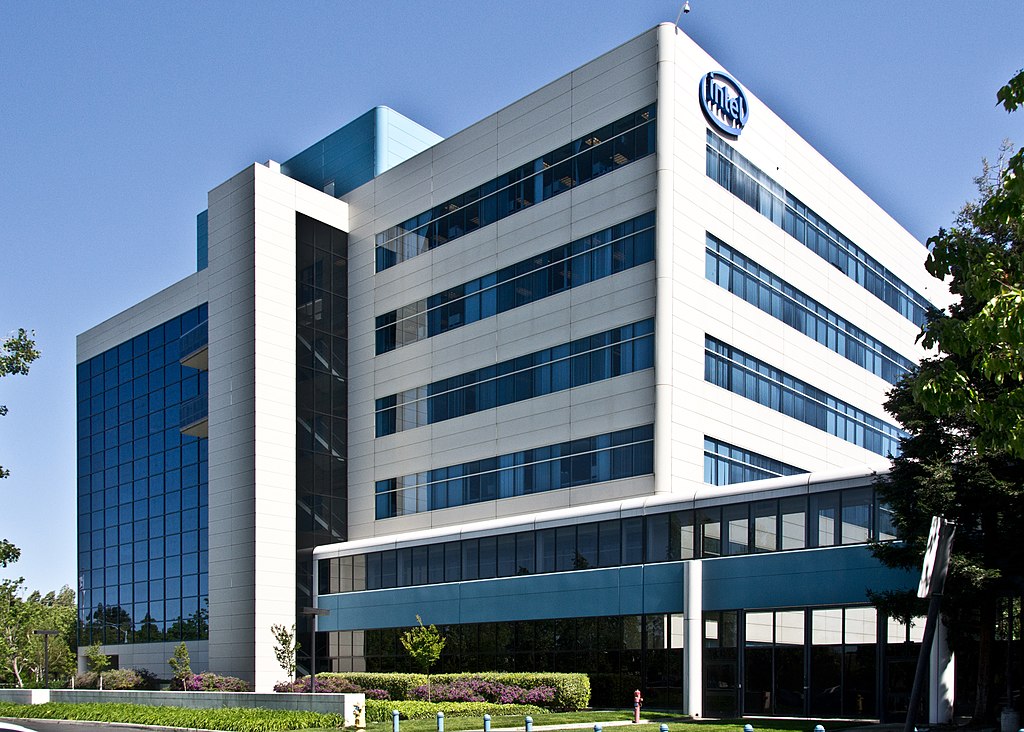
Intel will continue working with Elon Musk on the ambitious Terafab semiconductor project, CEO Lip-Bu Tan said, reaffirming the U.S. chipmaker’s role despite speculation that Taiwan Semiconductor Manufacturing Co. (TSMC) could become involved.
Tan told Bloomberg that Intel remains committed to Terafab, a project designed to significantly expand advanced chip production capacity for Musk’s companies. His comments came ahead of an event in Tokyo celebrating Intel’s 50 years of operations in Japan.
Questions about Intel’s position emerged after Musk said earlier this week that he was holding discussions with TSMC about potential cooperation on Terafab. The development raised concerns among some investors about whether the Taiwanese semiconductor giant could reduce Intel’s role in the project.
However, Intel, which became Terafab’s development partner in April, plans to remain involved as the initiative moves forward.
Terafab is a large-scale semiconductor manufacturing collaboration involving Tesla, SpaceX and artificial intelligence company xAI. The project is expected to feature two factories serving different parts of Musk’s technology businesses.
One facility is planned to manufacture advanced chips for Tesla electric vehicles and humanoid robots, supporting the automaker’s growing focus on autonomous driving and robotics. A second factory is intended to provide semiconductor capacity for AI data centers in space, an area that could potentially support the computing requirements of SpaceX and xAI.
The project has an ambitious long-term target of producing enough computing infrastructure to support one terawatt of capacity annually, underscoring the enormous semiconductor requirements associated with advanced artificial intelligence systems.
Intel’s continued participation in Terafab could also strengthen its efforts to expand its advanced semiconductor manufacturing business as competition intensifies with TSMC and other global chipmakers.
Terafab comes as governments and technology companies worldwide invest heavily in semiconductor manufacturing capacity. Demand for advanced chips has surged alongside rapid growth in artificial intelligence, data centers, autonomous vehicles and robotics, prompting companies to secure additional manufacturing capacity and diversify semiconductor supply chains.







