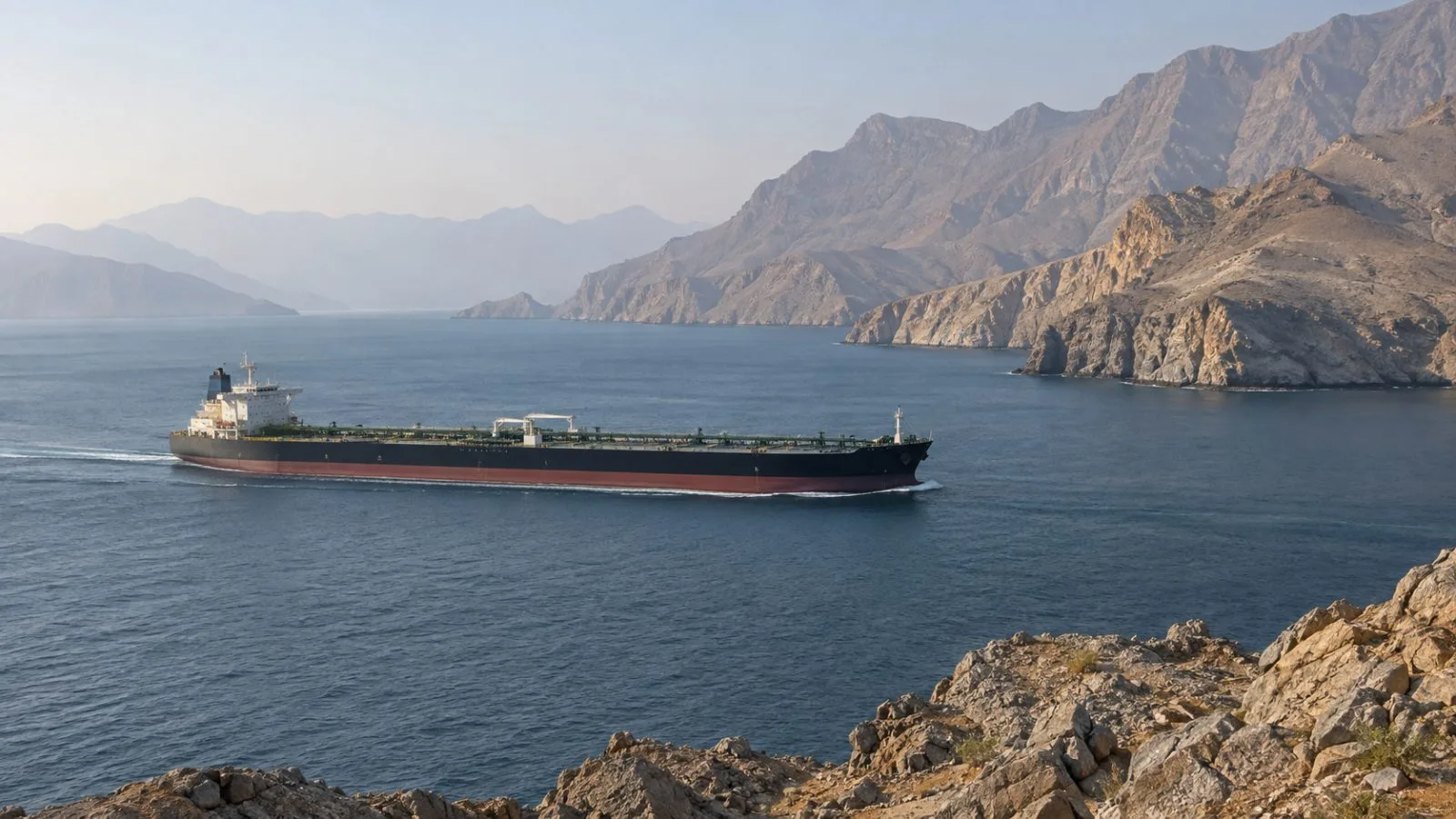
Iran has reaffirmed that its proposal to reopen the Strait of Hormuz within seven days remains available to the United States, despite stalled negotiations over the conditions required to restore shipping through the critical energy corridor.
Iranian Foreign Minister Abbas Araqchi said Sunday that Tehran was still reviewing Washington’s response to the proposal, which was initially submitted in mid-September following the collapse of an interim ceasefire.
Speaking to Iranian media during a visit to Baghdad for an Organisation of Islamic Cooperation meeting, Araqchi emphasized that reopening the strategic waterway depends on Washington accepting Iran’s demands.
The proposal outlines seven conditions, including ending the US blockade of Iranian ports, removing American sanctions on Iranian oil exports, and halting military hostilities across the Middle East.
Araqchi said the Strait of Hormuz could reopen within six days if the United States agreed to Tehran’s requirements, with diplomatic negotiations resuming the following day.
However, Iran’s security leadership indicated last week that discussions had reached an impasse because Washington had not adequately addressed all seven conditions.
A major obstacle remains the disagreement over Iran’s nuclear program. Washington wants nuclear restrictions included in negotiations from the beginning, while Tehran insists that restoring maritime security and reopening the strait should take priority.
US Vice President JD Vance previously stated that Iran must significantly reduce its uranium enrichment capabilities to satisfy American demands and help end the eight-month conflict between the two countries.
The diplomatic uncertainty continues to influence global energy markets, particularly crude oil and liquefied natural gas prices.
Before the conflict, the Strait of Hormuz handled approximately 20% of global oil and LNG trade, making it one of the world's most important energy transportation routes.
Any agreement to reopen the passage could ease supply disruptions, reduce shipping risks, and relieve pressure on international oil prices.
Energy producers, shipping companies, airlines, petrochemical manufacturers, and other fuel-intensive industries remain particularly sensitive to developments surrounding the waterway.
Brent crude was trading near $107.94 per barrel, down 1.75%, reflecting market attention to the possibility of renewed energy shipments.
For now, the Strait of Hormuz reopening proposal remains unresolved as Washington and Tehran continue to disagree over sanctions relief, regional security, and nuclear restrictions.