


 SEC Seeks ISS Client Voting Records in Proxy Adviser Probe
  Nvidia CEO Jensen Huang Expected at Trump-Xi State Dinner
  Synthetic data could ease people’s concerns about privacy breaches. But who gets to create it?
  Ukraine Races to Counter Russia’s Faster Jet-Powered Drones
  U.S. Probes Apex Logistics Over Nvidia AI Chip Shipments to China
  Lula, Flavio Bolsonaro Deadlocked in Brazil Election Polls
  US Officials Meet Houthis in Oman Amid Yemen Offensive
  Trump Eyes End to Iran War, Plans Gulf Leaders Meeting
  US Bans Canadian Alcohol, Motorcycles as Trade War Escalates
  France Targets Shein, Temu With Fast-Fashion Fees
  U.S. Issues Cuba Health Alert as Illnesses Rise
  DOJ Will Investigate AI-Related Crimes, Attorney General Blanche Says
  Trump Hopes Iran War Nears End as Yemen Fighting Escalates
  Ovechkin Faces Scrutiny Over United Russia Campaign Video
  Kim Jong Un Pledges Deeper Russia Cooperation
  Iran Economic Crisis Forces Afghan Families to Return Home


 Add as a preferred source on Google
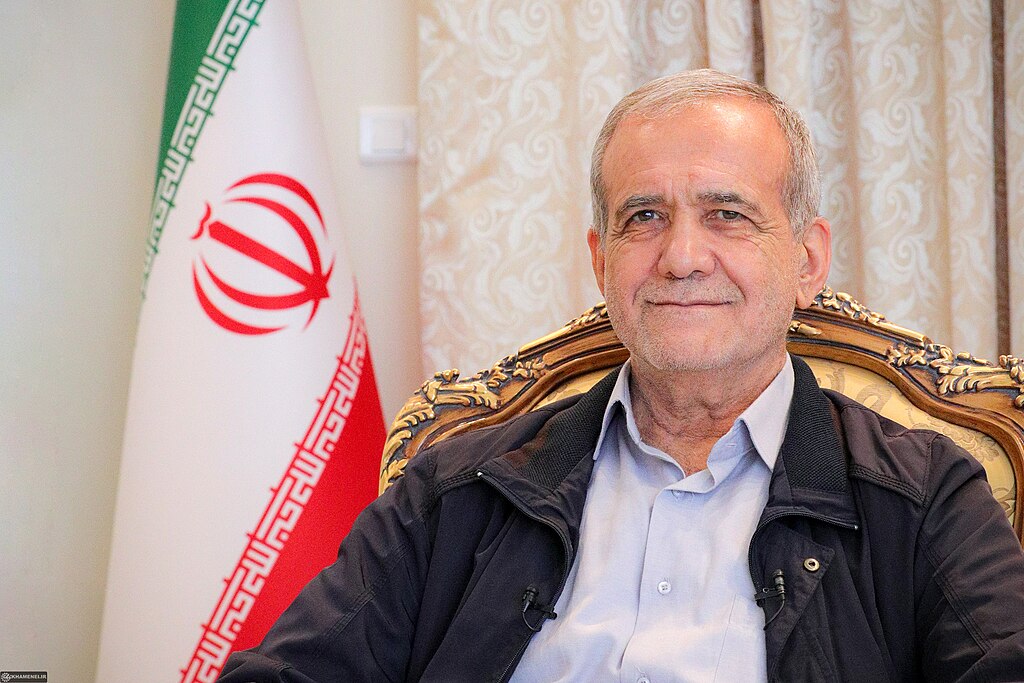
Iranian President Masoud Pezeshkian has officially ordered the restoration of international internet access after nearly 90 days of severe restrictions that isolated millions of citizens from the global web. Iranian state media confirmed the decision on Monday, citing a senior official from the country’s Communications Ministry.
The move comes after one of the longest internet blackouts in Iran’s recent history, which began during nationwide anti-government protests on January 8. Although internet services briefly improved in February, authorities imposed another shutdown following U.S. and Israeli military strikes against Iran on February 28. Since then, most residents have struggled to access global websites, social media platforms, and online communication tools.
According to internet monitoring organization NetBlocks, the majority of Iranians remained disconnected from the worldwide internet for 87 consecutive days. Only a limited number of users with advanced and costly VPN services were reportedly able to bypass government restrictions and maintain partial access to international websites.
While the Iranian government has now approved reopening internet connectivity, officials have not yet explained how or when full access will be restored nationwide. The uncertainty has raised concerns among citizens and digital rights groups, especially as Iran continues to maintain strict online censorship policies.
Even during normal periods, internet freedom in Iran remains heavily controlled. Many foreign websites and social media platforms are blocked, and authorities increasingly depend on a domestic intranet system to deliver essential services. Schools and educational institutions, for example, currently rely on government-controlled online learning platforms instead of unrestricted internet access.
The decision to reconnect Iran to the global internet could significantly impact communication, business operations, education, and public access to information. However, experts believe the country’s broader internet censorship policies are unlikely to disappear entirely despite the latest reopening order.







