Iran sent Hezbollah tens of millions of dollars to rebuild its military capacity as the group prepares for a possible return to fighting with Israel, Reuters reported Oct. 26, citing people briefed on its activities.
Two Lebanese security sources told Reuters that during the period of reduced combat since June, Hezbollah focused on acquiring explosives and producing drones intended for use against Israeli positions. One of those sources and three other officials familiar with the group’s operations said it was also rebuilding command arrangements damaged in battles. The sources said its stockpiles and fighting force were not yet fully prepared.
Reuters described the military funds as separate from about $200 million it had earlier reported Iran provided for displaced families. EconoTimes’ earlier coverage of Hezbollah’s housing assistance pledge noted that a U.S. Department of State spokesperson disputed the earlier report and a Hezbollah official declined to comment.
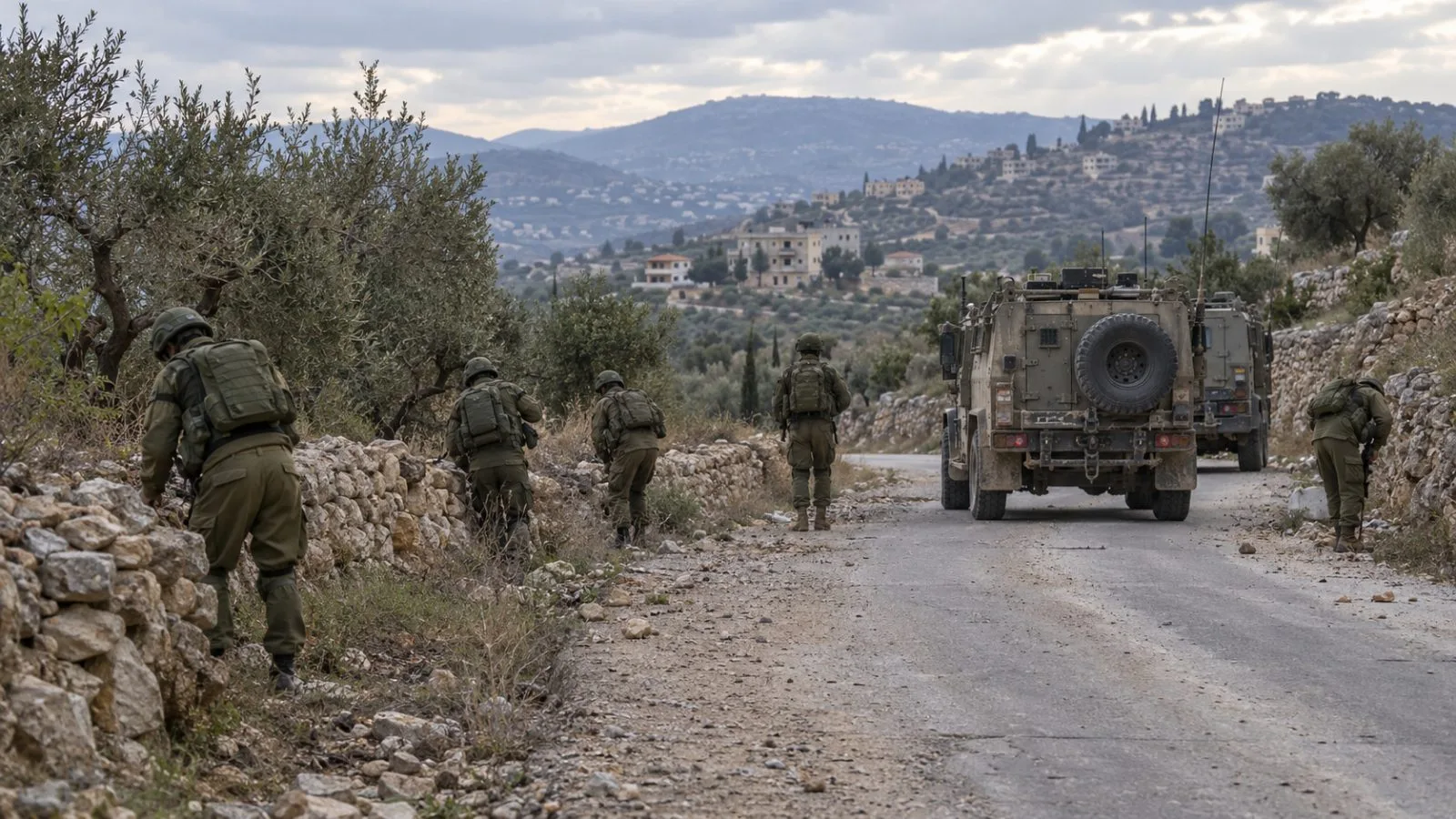
Hezbollah has lost thousands of fighters and many leaders in two wars with Israel since 2024, and much of its arsenal has been destroyed, Reuters reported. Israeli forces occupy villages in southern Lebanon that form part of the group’s heartland, while pressure in Beirut for Hezbollah to disarm has risen, according to the report.
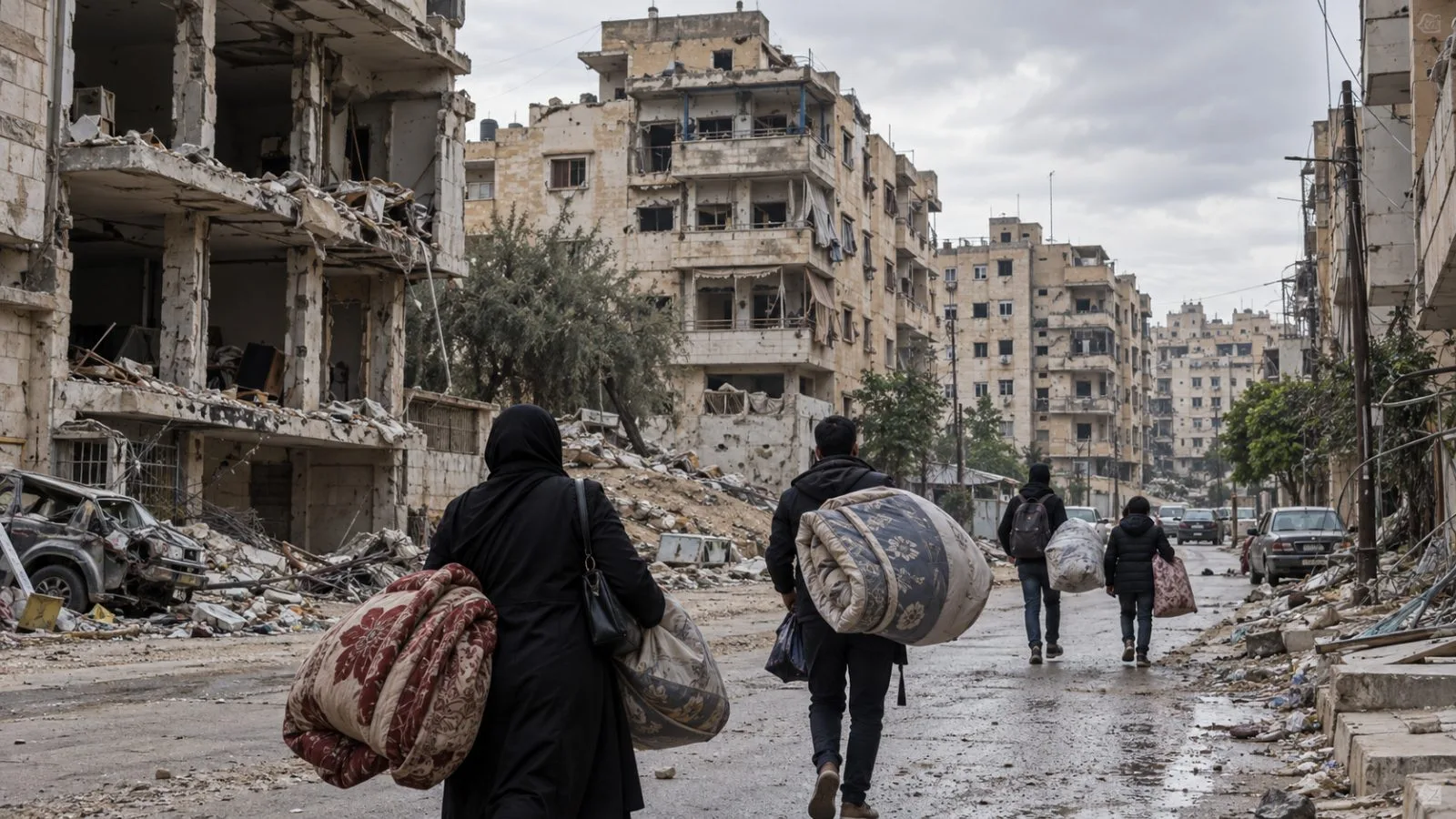
The Israeli offensive that followed Hezbollah’s March 2 attack in support of Iran killed more than 4,000 people and forced about one-quarter of Lebanon’s residents from their homes, Reuters reported. Most of those displaced were from the group’s Shi'ite Muslim constituency.
Fighting in Lebanon fell sharply over the summer, while an interim Iran-U.S. agreement included a ceasefire for the country and Washington mediated talks with Lebanon and Israel. Full-scale hostilities have not resumed despite the agreement’s collapse, though Israeli strikes in southern Lebanon continue. Reuters said Hezbollah was watching for a possible U.S.-Iran escalation that might pull Lebanon back into full-scale fighting.
Hezbollah’s media office told Reuters that Israel’s presence on Lebanese land made resistance legitimate. It rejected claims that its command system had broken down and said it wanted to avoid giving Israeli leaders a reason to escalate, citing concern that its supporters could be displaced again. Israel’s military declined to comment.
A U.S. Department of State spokesperson said Washington would continue using sanctions and other measures against Hezbollah’s finances. A U.S. Department of the Treasury spokesperson said Iran was short of funds and ways to move money.