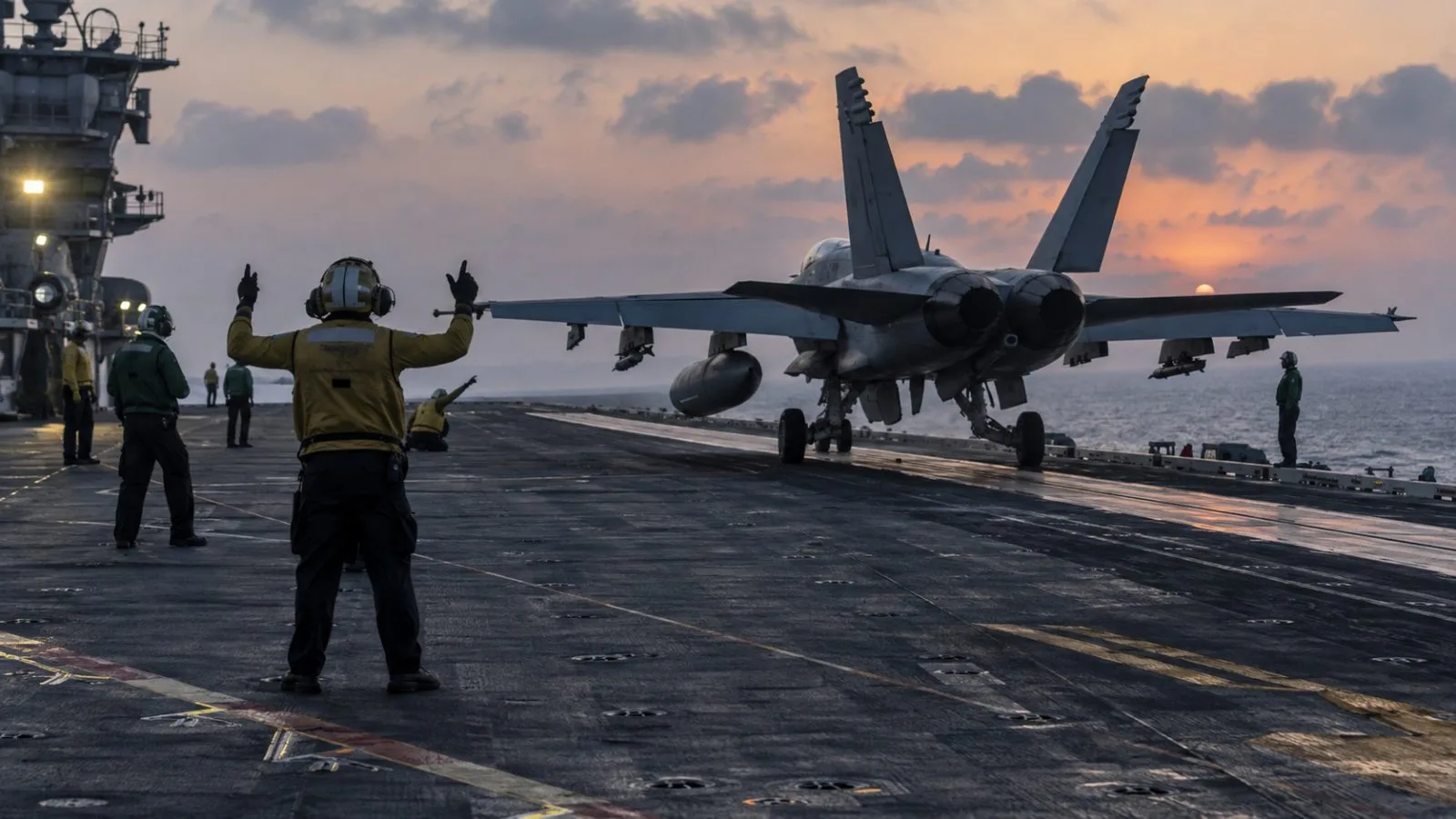
U.S. Central Command’s latest estimate puts the military bill for the Iran war at $47.1 billion through Oct. 16, with munitions replacement driving most of the reported cost.
CBS News said it obtained the unclassified estimate provided to Congress; Stars and Stripes and USA Today also reported reviewing it. The estimate assigns about $29 billion to replacing expended munitions, $6.1 billion to lost equipment and about $11.9 billion to other added expenses, including support for service members. Those rounded category figures add to $47.0 billion, leaving a $0.1 billion difference from the reported total. The total is about $3.5 billion above the $43.6 billion estimate through Sept. 3.
The CENTCOM estimate excludes damage to U.S. military bases in the Middle East, CBS News and USA Today reported after reviewing the document. A separate Defense Department inspector general report put the campaign’s cost at $33.4 billion through June 30, including $22.3 billion for munitions. The inspector general warned that the campaign had depleted weapons stocks and exposed limits in U.S. production and resupply capacity.
The Congressional Budget Office (CBO) separately estimated Department of Defense costs at about $38 billion through Aug. 1. It used government databases and public reporting after the department did not respond to its information requests, making the figure an earlier estimate based on a different cutoff and method. CBO estimated that another month of conflict would cost $2 billion if violence stayed near the lower levels of May and June, or $3 billion at roughly July’s intensity.
CBO said interceptor use would leave the United States with reduced stocks for several years. It also said reduced oil and natural gas shipments through the Strait of Hormuz and disruptions to Red Sea shipping had raised global energy prices, putting upward pressure on consumer prices.
A June 24 White House request sought $87.6 billion in supplemental funding across agencies, including $67.146 billion for Department of War military programs, $21 billion for munitions and $1.5 billion for fuel. CBS News reported Oct. 27 that Congress had not passed the request, leaving congressional action as the next indicator; the sources identify no vote date.