


 Trump Denies Russia and China Are Helping Iran in U.S. Conflict
  US Supreme Court Denies Release of Anti-ICE Activist Kyle Wagner
  Trump Warns Houthis Over Attacks, Considers Erdogan Intervention
  Trump Sanctions International Criminal Court, Sparking EU Backlash
  India Voter List Protests Reach Supreme Court as Opposition Demands Election Chief's Resignation
  Greenland Lawmakers Back Trump Security Deal Despite Economic Concerns
  Mahmoud Abbas Postpones Palestinian Elections to September 2027
  NATO Commander Warns Russia of Devastating Response to Attack
  US Condemns China Sanctions on Taiwan Allies Belize and Paraguay
  US Authorities Raid Ilhan Omar’s Home Amid Immigration Fraud Probe
  Jordan Bardella Antisemitism Allegations Threaten Le Pen’s Campaign
  US Senate Midterms 2026: Key Races That Could Flip Control
  Trump Plans White House Shake-Up of Key AI Safety Agency
  Flavio Bolsonaro Backs Brazil’s 40-Hour Workweek Reform Ahead of Runoff
  Trump Announces Russia-Ukraine Energy Ceasefire as Zelenskiy Awaits Details
  North Korea Fires Ballistic Missiles as Tensions With South Korea Escalate
  Panama Declares Emergency After 7.7 Earthquake Triggers 200 Aftershocks


 Add as a preferred source on Google
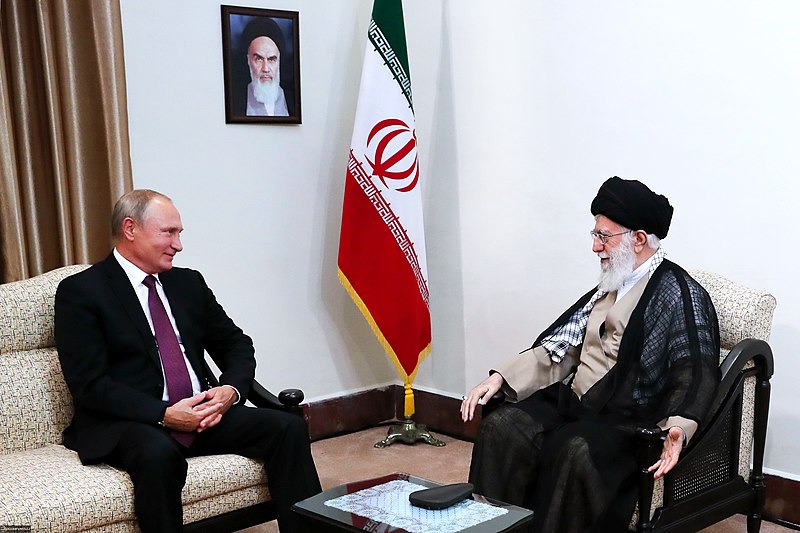
Many countries have condemned the invasion of Ukraine as Russian dictator Vladimir Putin continues to wage war on the democratic nation. Iran has also opposed the conflict, but according to its Supreme Leader Ali Khamenei, the policies of the West have brought on the current crisis.
In a televised speech Tuesday, Khamenei touched on the ongoing crisis in Ukraine, as Russian troops continue to attempt invading Ukraine but are met with fierce resistance from Ukrainian troops and civilians.
The Iranian leader said that the country opposes the military conflict but pinned the blame of the crisis on the policies of the US and the West, saying that Ukraine has become a “victim” to such policies.
Khamenei said that the “mafia regime” of the US has brought on a lot of tensions in the world. The Iranian leader cited the creation of the Islamic State militant group or ISIS and intervening in the affairs of other countries, such as forcing regime changes and installing pro-West politicians in power. Khamenei did not mention Russia in his remarks in his one-hour speech.
Khamenei went on to say that there are two lessons to be learned from the ongoing crisis in Ukraine by governments and people around the world: The importance of popular support and that the West cannot be trusted. Khamenei described the support for pro-western politicians and administrations as a “mirage.”
The Iranian leader went on to claim that if the Ukrainian people fully supported their government, they would not be in their current situation today.
Khamenei’s remarks, pinning the blame of the Ukraine crisis on the West, echo the statement released by the Iranian foreign ministry. Iran’s foreign minister Hossein Amir Abdollahian said his first reaction shortly when Russia took the step to invade Ukraine was that it was“rooted in NATO’s provocations.”
Amir Abdollahian tweeted that Iran does not think war is a solution and called for an immediate ceasefire to find a “political and democratic solution” to the conflict. Foreign ministry spokesperson Saeed Khatibzadeh said, “the Eurasia region is on the verge of entering a pervasive crisis” due to the NATO movements led by the US.







