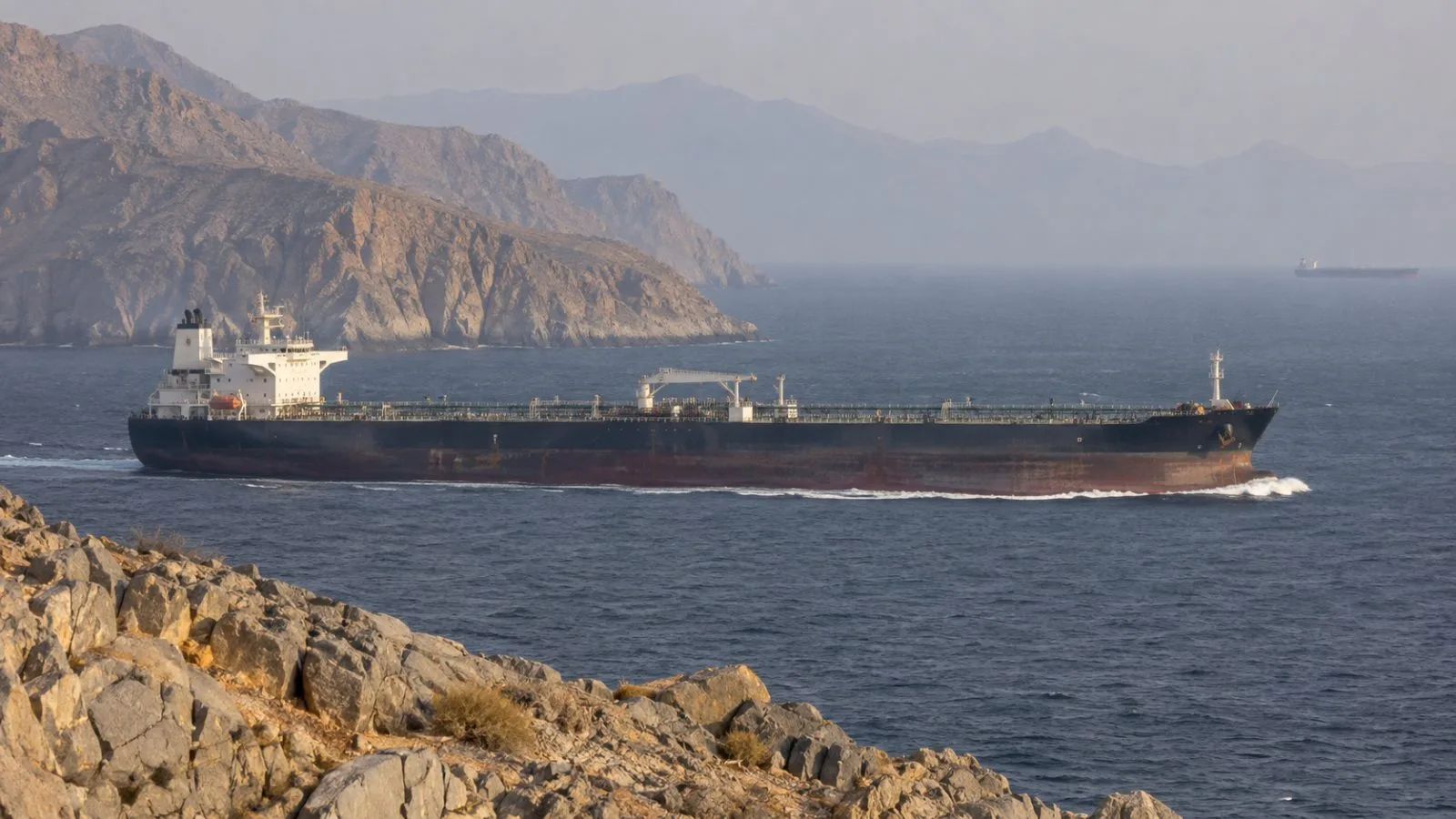
Iraqi Prime Minister Ali Al Zaidi set a 10 million-barrel-a-day oil production goal for 2032 as war-related disruption to shipping through the Strait of Hormuz cut exports and state revenue.
The National reported that Iraq shipped 3.36 million barrels daily in February and 131,000 daily in April; exports were about 3.4 million barrels daily in October. Oil revenue had been about $7 billion per month before the disruption and normally provides about 90% of Iraq’s government income, the outlet reported.
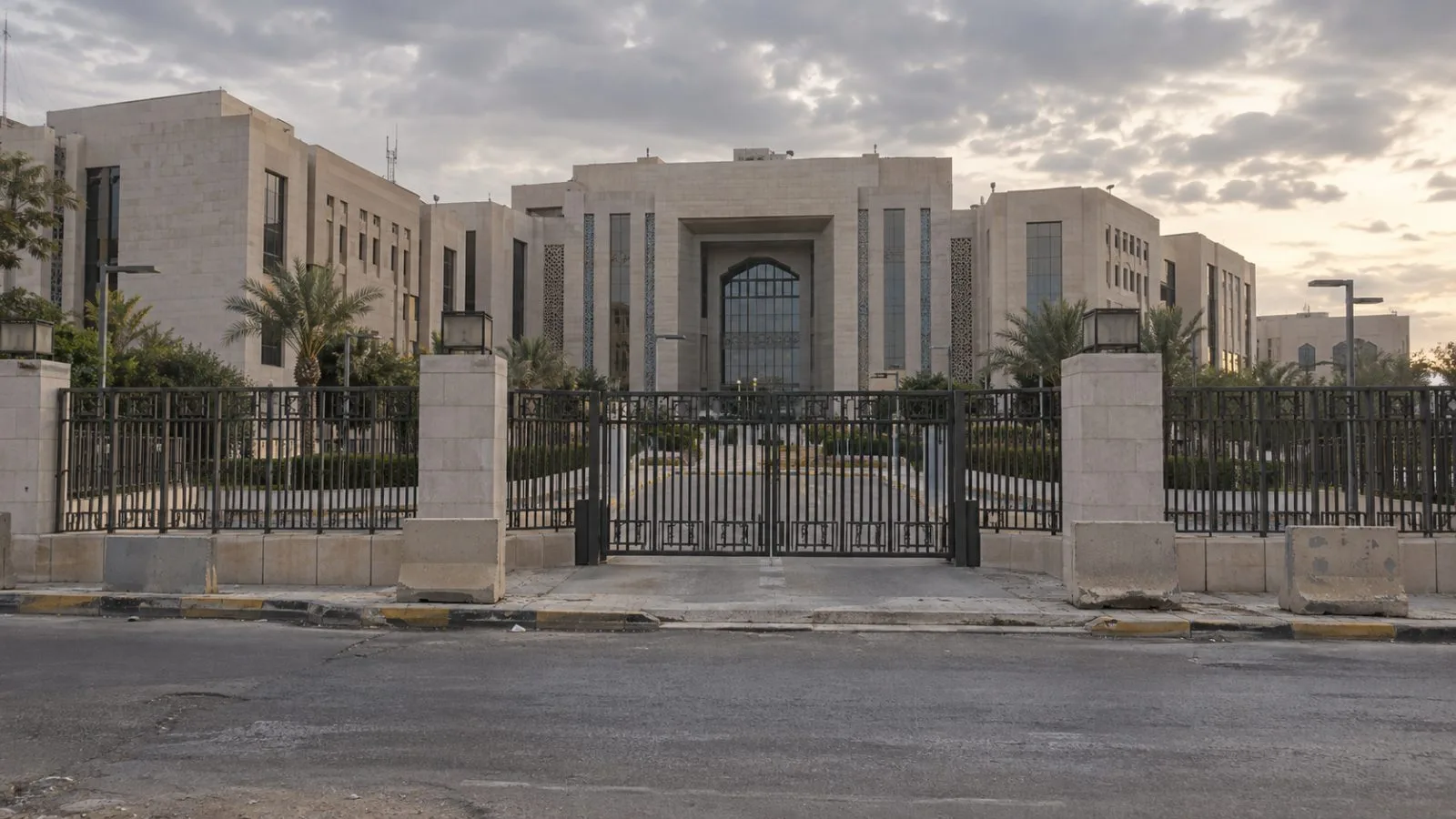
During a meeting in Baghdad with Kurdistan Region Prime Minister Masrour Barzani, Al Zaidi set an interim goal of seven million barrels per day by 2030, followed by 10 million by 2032. The later target includes about one million barrels per day from Kurdistan. Iraq produced around 4.4 million barrels per day before the Iran war.
Iraq’s OPEC production quota is 4.431 million barrels per day. Iraqi Oil Minister Basim Mohammed Khudair told Iraq’s state news agency INA on Saturday that Baghdad was in talks with OPEC about raising exports. He said higher production would support infrastructure and government plans.
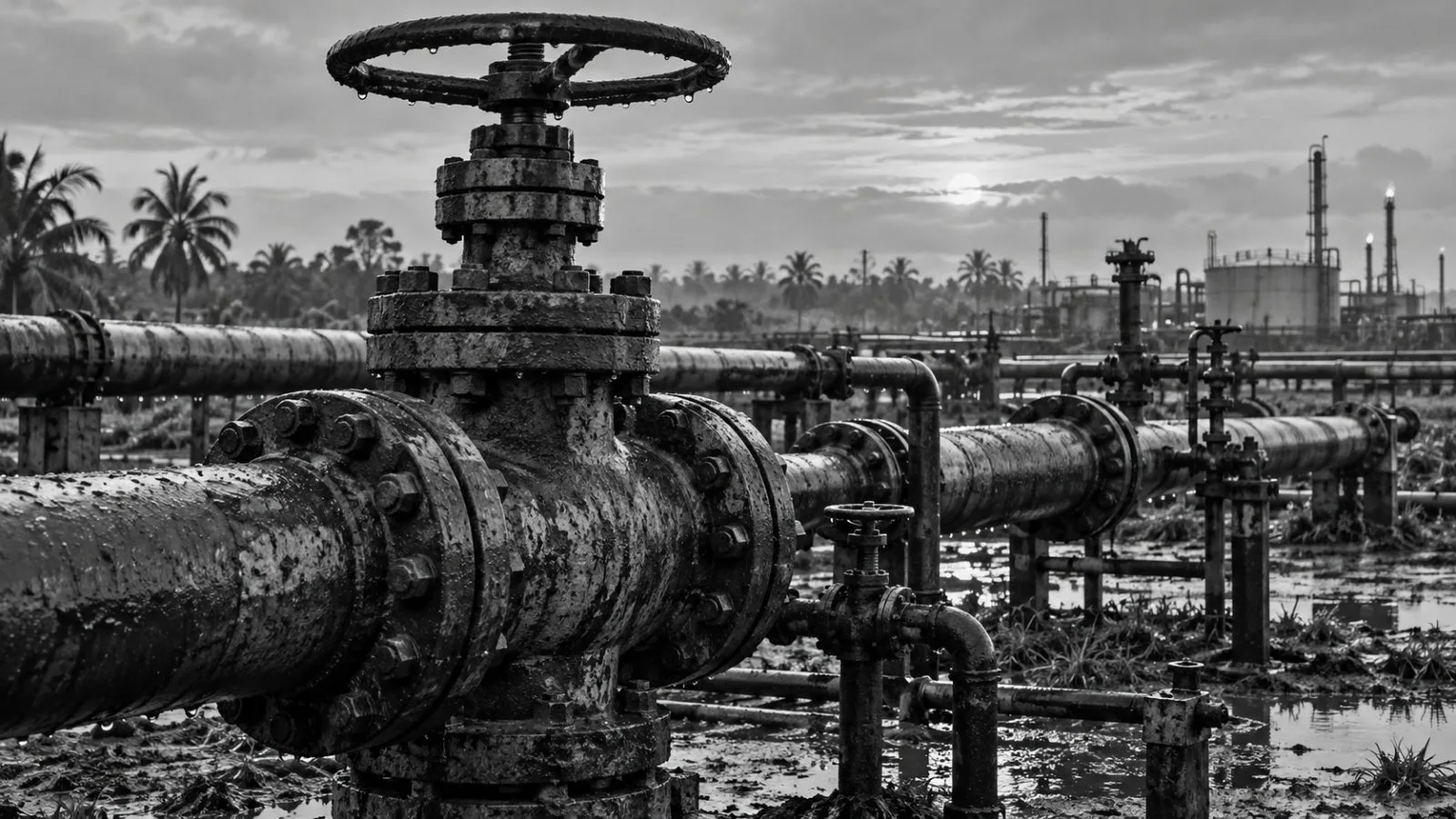
The National reported that war-related economic damage and investment by major producers have added pressure on Baghdad to increase output. The government is also working to finalize oil and gas agreements worth billions of dollars, mainly with U.S. companies, and pursuing routes through Syria’s Baniyas port and Jordan’s Aqaba port, alongside the Iraq-Turkey pipeline to Ceyhan. Chevron, HKN Energy and Halliburton were among the companies tied to deals, The National reported.
Iraq’s Ministry of Oil set a separate target of 450,000 barrels per day for four northern fields; the ministry set no timetable, according to EconoTimes’ earlier coverage of the Kirkuk fields.