Israel’s Oct. 27 election leaves the next government undecided, while pre-election reporting points to broad agreement among leading candidates that Iran remains a security threat and differences over how to respond.
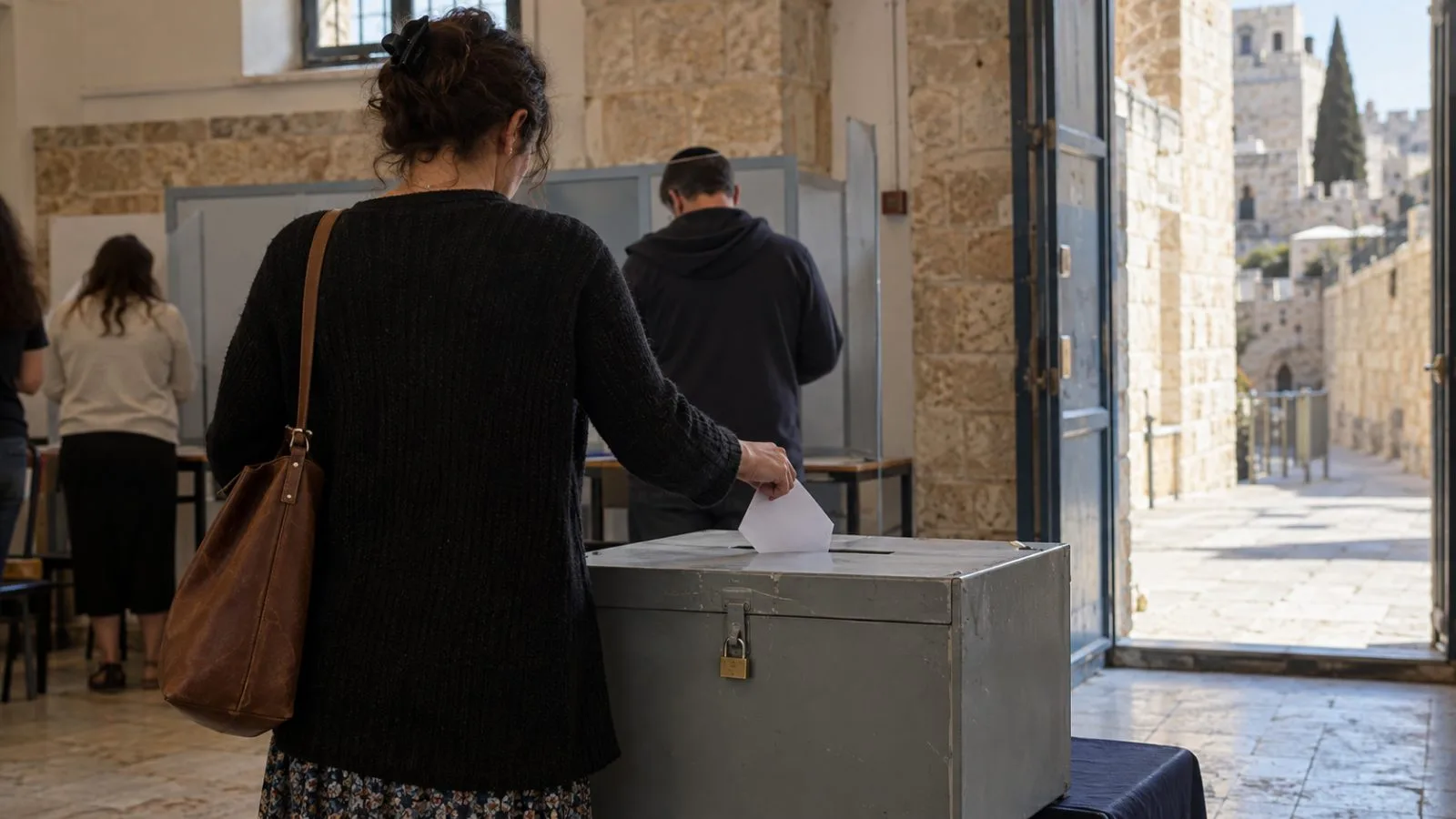
Israeli voters selected party lists for the 26th Knesset, not a prime minister directly. The Knesset explains that parties negotiate a governing coalition after seat totals are settled. Israel’s Central Elections Committee (CEC) schedule gives Nov. 4 as the latest date to publish the final count in the official gazette.
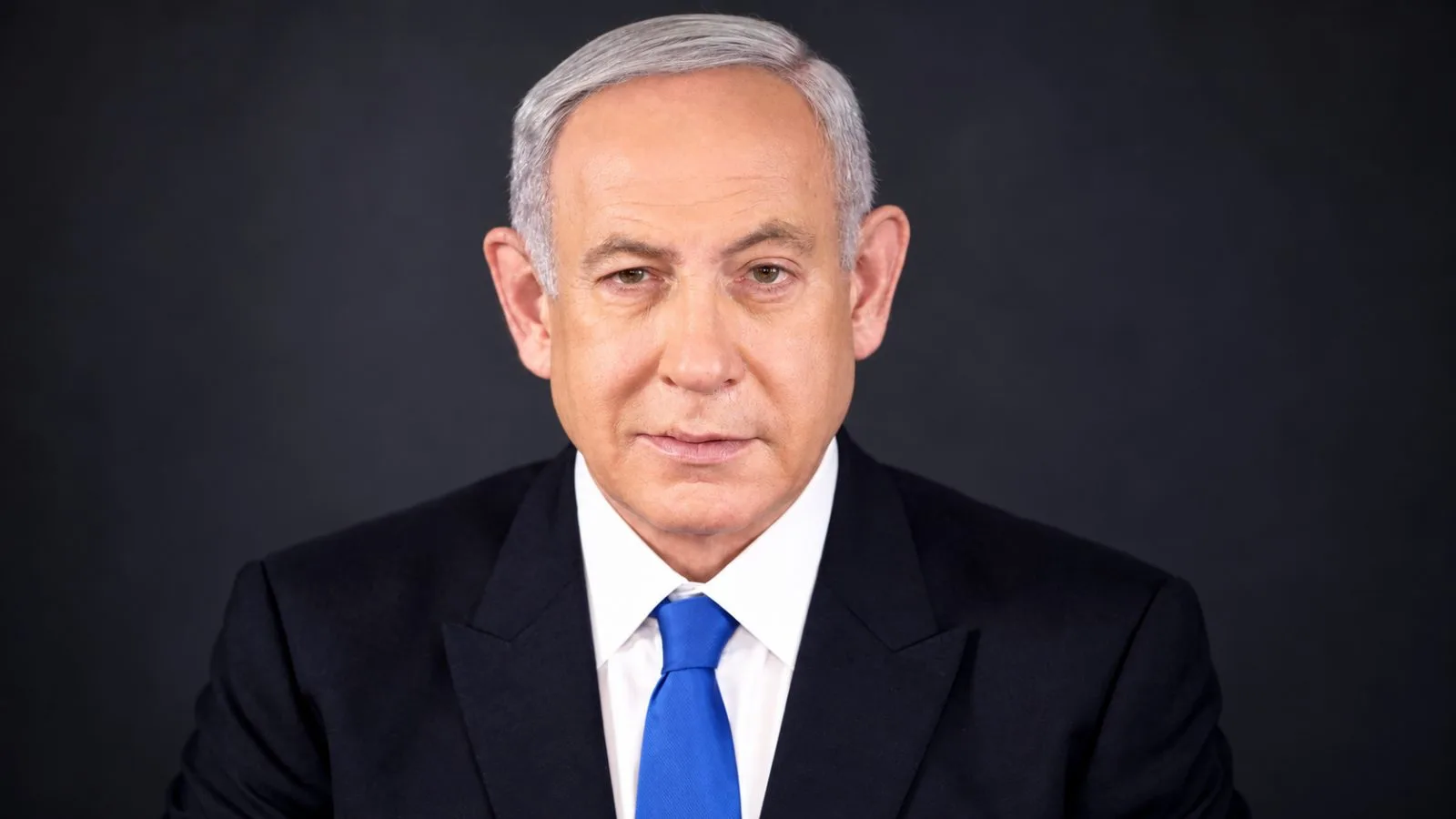
Reuters cited regional analysts who expected Iran to remain a central Israeli security concern through a change in leadership. The Associated Press also described Prime Minister Benjamin Netanyahu and his main challengers as aligned on key regional security questions, Iran among them.
A Jerusalem Post analysis said Netanyahu and former Israel Defense Forces chief Gadi Eisenkot shared an assessment of Iran as a threat, while their approaches could diverge on diplomacy and possible military action. The analysis did not establish a commitment by either man to a specific course after the election.
At an Oct. 18 security briefing, Netanyahu said his updated doctrine favored action before threats escalate and identified toppling Iran’s government as a strategic objective, The Times of Israel reported. “The regime must fall, and I will bring it down,” he said. EconoTimes previously covered Netanyahu’s call for Iran’s government to fall.
In an Oct. 26 opinion article for Ynet, Institute for National Security Studies (INSS) researcher Raz Zimmt urged the next government to reconsider its approach to Iran. He argued that the threat had persisted after two military campaigns and another round of fighting could be costly without resolving it.
U.S. President Donald Trump said in a social media post that he would not order renewed strikes on Iran before the Nov. 3 U.S. midterm elections, the Associated Press reported. Attention now turns to the midterms on Nov. 3 and Israel’s results deadline on Nov. 4.